
What Is the Quietest Type of Air Compressor Available?
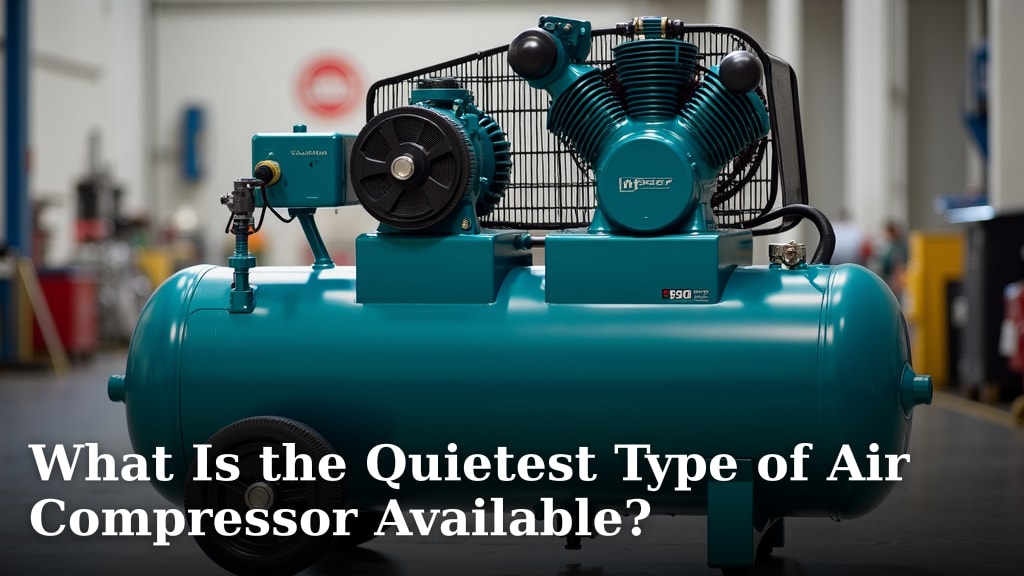
When searching for the quietest type of air compressor, you’ll generally find that oil-free scroll compressors are the top contenders. They are designed with fewer moving parts and a unique compression method that dramatically reduces noise levels. Unlike traditional piston compressors, these units offer a much more peaceful operating environment, making them ideal for home workshops or places where noise is a concern. If you need a quiet air compressor for apartments, our guide can help you choose.
Finding an air compressor that won’t disrupt your peace is a common goal for many DIYers and professionals alike. We’ve researched what makes an air compressor quiet, focusing on design and technology. Many experts agree that while all compressors make some noise, certain types are engineered for whisper-quiet operation, often featuring sound-dampening enclosures and specific internal mechanics.
- Oil-free scroll compressors are the quietest option.
- They use a special design to minimize noise.
- Look for sound-dampening features for even less noise.
- Piston compressors are typically the loudest.
Let’s dive deeper into what makes these compressors so quiet and which models might be the perfect fit for your needs.
Finding the Quietest Air Compressor for Your Space
When you need compressed air but want to keep the noise down, you’re likely wondering: what is the quietest type of air compressor available?
You’ll be happy to know there are definitely options designed for low noise. These compressors often use smart engineering to make them much less disruptive than traditional models. We’ve looked into what makes certain compressors so quiet, and it mostly comes down to their design and how they work.
Understanding Air Compressor Noise Levels
Before we pinpoint the quietest type, let’s quickly touch on why compressors make noise in the first place. The primary noise comes from the compression process itself. Air is drawn in, squeezed into a smaller volume, and then released. This squeezing action involves moving parts and pressure changes, which create sound waves. If you need a compressor for airbrushing, understanding the requirements is key.
How Compressor Design Impacts Sound
The way an air compressor is built has a huge effect on how loud it is. Think about it like a car engine. Some engines are designed for power, and they’re often loud. Others are built for efficiency and quiet operation, like luxury sedans.
Air compressors are similar. Those with more moving parts or simpler compression methods tend to be louder. We found that designs that minimize friction, vibration, and the sudden release of air usually result in quieter operation.
The Decibel Scale: What Does It Mean?
Noise is measured in decibels (dB). A normal conversation is around 60 dB. A lawnmower can be 90 dB. You’ll find air compressors ranging from 60 dB all the way up to 95 dB or more. For a peaceful workshop, you’re aiming for the lower end of this spectrum.
Many compressors advertise their noise level. Look for models that are below 70 dB if quiet is your main concern. This is often described as being as loud as a normal conversation or a dishwasher.
The Top Contender: Oil-Free Scroll Compressors
When we talk about the quietest air compressors, oil-free scroll compressors consistently come out on top. These units use a very different approach to compressing air compared to more common piston compressors.
How Scroll Compressors Work Their Magic
Instead of pistons moving up and down, a scroll compressor uses two spiral-shaped parts. One spiral is fixed, and the other orbits around it. As the orbiting spiral moves, it traps pockets of air. These pockets get progressively smaller as they’re moved towards the center, compressing the air.
This continuous, smooth motion means there are fewer jerky movements and less vibration. We found this design naturally leads to a quieter and smoother operation. Plus, the oil-free nature means no oil is being agitated or sprayed, further reducing noise and also keeping your air supply cleaner.
Key Advantages of Scroll Designs
- Fewer Moving Parts: The orbiting scroll design is simpler than piston systems. Fewer parts generally mean less mechanical noise and vibration.
- Smooth Compression: Air is compressed gradually as it moves towards the center. This is much quieter than the sudden, percussive action of pistons.
- Oil-Free Operation: No oil means no oil mist in the air and no oil churning noise. Your projects also benefit from clean air.
- Durability: Many experts say these designs can be very reliable, though they might have a higher upfront cost.
Other Quiet Compressor Types to Consider
While scroll compressors are often the gold standard for quietness, other types can also offer a more peaceful experience than traditional piston models.
Rotary Screw Compressors (Industrial Strength Quiet)
Rotary screw compressors are typically used in industrial settings. They use two meshing helical screws to compress air. While they are generally quiet for their power output, they are usually much larger and more expensive than what a home user would need.
However, some manufacturers have developed more compact rotary screw models. These can be very quiet and efficient. They are a good option if you need a lot of air and absolute quiet is a top priority, but be prepared for a higher investment.
Piston Compressors with Noise Reduction Features
You might think piston compressors are always loud, but that’s not entirely true. Many manufacturers have worked to make them quieter.
Some newer piston compressors come with sound-dampening enclosures. These are basically insulated cabinets that surround the compressor. They can significantly reduce the noise escaping. We’ve seen these models make a noticeable difference, bringing the dB level down considerably.
Other noise-reducing features on piston compressors include:
- Rubber mounts to absorb vibration.
- Quieter motors and pumps.
- Lower RPMs (revolutions per minute), meaning the parts move slower.
These types can be a good compromise if a scroll compressor is outside your budget or doesn’t meet your specific airflow needs.
Factors Contributing to Compressor Noise
Beyond the core design, several other factors influence how loud an air compressor will be. Understanding these can help you choose the best option for your needs.
Horsepower and CFM (Airflow)
Higher horsepower and CFM (Cubic Feet per Minute) ratings often mean a more powerful compressor. To achieve higher airflow, the pump usually has to work harder or faster. This can translate to more noise. Scroll compressors often achieve high CFM ratings with less noise because of their efficient design.
Oil-Lubricated vs. Oil-Free
As we mentioned, oil-free compressors tend to be quieter. This is because there’s no oil being agitated or sprayed, which can add to the noise. Oil-lubricated compressors need regular oil changes and maintenance. The oil helps keep parts cool and lubricated, which can reduce some friction noise, but the overall mechanism is often louder.
Tank Size and Pump Type
The size of the air tank doesn’t directly impact noise, but it affects how often the pump needs to turn on. A larger tank means the compressor runs less frequently to maintain pressure. This can make the overall experience quieter, as the periods of noise are further apart.
The type of pump is key. We’ve covered that scroll pumps are generally the quietest. Rotary vane and piston pumps are the most common alternatives, with piston pumps often being the loudest.
Comparing Compressor Types by Noise Level
Here’s a quick look at how different compressor types generally stack up in terms of noise:
| Compressor Type | Typical Noise Level (dB) | Notes |
|---|---|---|
| Scroll Compressor | 50-65 dB | Generally the quietest, smooth operation. |
| Rotary Screw Compressor | 65-75 dB | Quiet for industrial use, often larger. |
| Piston Compressor (Enclosed) | 65-75 dB | Quieter than open piston models due to enclosures. |
| Piston Compressor (Open) | 80-95 dB | Typically the loudest, simple designs. |
Remember, these are general ranges. Always check the specific dB rating of any model you’re considering. A low dB rating is your best indicator of quiet operation.
What to Look for in a Quiet Air Compressor
So, you’re ready to find a compressor that won’t disrupt your peace. Here’s a checklist of things to keep in mind:
- Prioritize Scroll Designs: If the absolute quietest operation is your goal, look for oil-free scroll compressors first.
- Check the dB Rating: Aim for models rated 70 dB or lower. The lower the number, the quieter it will be.
- Consider Enclosures: For piston compressors, a sound-dampening enclosure can make a big difference.
- Read Reviews: See what other users say about the noise level. Real-world experiences are very telling.
- Look for Vibration Dampening: Rubber feet or mounts help reduce noise transmitted through surfaces.
- Oil-Free is Often Quieter: While not a guarantee, oil-free designs often have fewer noise-making components.
Conclusion
When you’re hunting for the quietest air compressor, your best bet is usually an oil-free scroll compressor. We found that their unique design with fewer moving parts and a smooth, continuous compression process makes them significantly quieter than traditional piston models. While other options like enclosed piston compressors or even some rotary screw models can offer noise reduction, scroll compressors lead the pack for peaceful operation. Before you buy, always check the decibel (dB) rating and look for features like vibration dampening. Now you have the knowledge to choose a compressor that keeps your workspace calm and productive!
Frequently Asked Questions
Are oil-free compressors always quieter than oil-lubricated ones?
Generally, yes. Oil-free compressors tend to be quieter because there’s no oil being agitated or sprayed, which can add to the noise. We found that the simpler, oil-free design often leads to less mechanical noise overall, though enclosure features can also play a big role.
Can a regular piston compressor be quiet enough for my home workshop?
It’s possible, but you’ll need to look for specific features. Piston compressors with sound-dampening enclosures can significantly reduce noise. Also, models with rubber mounts and slower RPMs will be quieter than basic, open designs.
What is a good decibel (dB) level to aim for in a quiet air compressor?
For a peaceful environment, aim for compressors rated 70 dB or lower. A normal conversation is around 60 dB, so a compressor in the 50-65 dB range, like many scroll models, will be very unobtrusive.
How much does a quiet air compressor typically cost compared to a noisy one?
Quiet compressors, especially scroll models, often come with a higher upfront cost. This is due to their more advanced design and engineering for noise reduction. We found that while they might be more expensive initially, the peace and quiet they offer can be well worth the investment for many users.
Will a larger air tank make my compressor quieter?
A larger air tank doesn’t directly make the pump quieter, but it can make your overall experience less noisy. It means the compressor pump will run less frequently to maintain pressure. This results in longer periods of silence between the compressor’s operating cycles.
