
What Maintenance Does an Air Compressor Need?
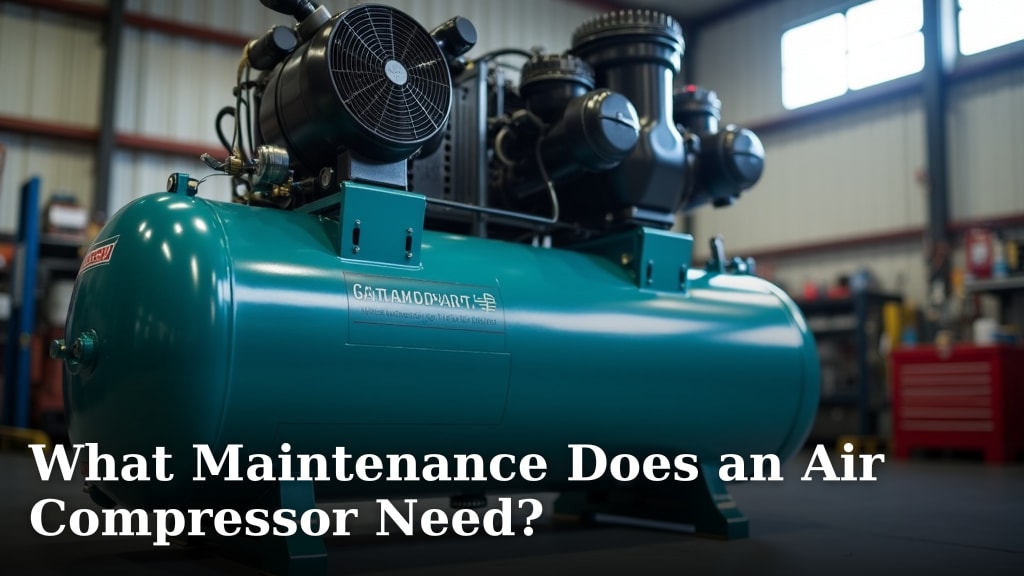
Air compressors need regular maintenance to keep them running smoothly. This includes changing oil, draining moisture, and checking air filters. Proper care prevents costly breakdowns and ensures your compressor lasts longer. It’s not a one-time job; consistent attention is key.
Think of air compressor maintenance like regular check-ups for your car. You wouldn’t skip oil changes, right? Similarly, neglecting your air compressor can lead to reduced efficiency and premature wear. We found that many common issues stem from simple maintenance oversights. Keeping things clean and topped up is vital.
- Change the oil regularly.
- Drain water from the tank often.
- Clean or replace air filters.
- Inspect belts and hoses.
- Listen for unusual noises.
So, what exactly goes into keeping your air compressor in top shape? Let’s walk through the essential maintenance steps you can do yourself.
Keeping Your Air Compressor in Peak Condition: Essential Maintenance Steps
Proper maintenance is the secret to a long-lasting and efficient air compressor. Think of it as giving your tool a spa day! Regular care prevents annoying breakdowns. It also ensures you get the best performance when you need it most. We found that simple, consistent tasks make a huge difference. Let’s get into what you need to do.
Understanding Your Air Compressor’s Needs
Air compressors work hard for you. They compress air, which requires a lot of energy. This process creates heat and moisture. These elements can cause damage over time if not managed. Ignoring maintenance is like ignoring a small leak in your roof. It might seem minor at first, but it can lead to big problems later. Properly managing moisture by draining the tank is vital for preventing damage.
Why Routine Checks Matter So Much
Your air compressor has moving parts. These parts need lubrication and protection. Without it, they can wear down faster. This reduces the compressor’s overall lifespan. Many repair shops report that most common compressor issues stem from poor maintenance. We found that a little effort goes a long way in preventing costly repairs.
When to Perform Maintenance: A General Guide
The exact schedule depends on your compressor’s type and how often you use it. Check your owner’s manual for specific recommendations. As a general rule, most tasks should be done after every 100 hours of use or at least once a month. Heavy use means more frequent checks. Light use allows for a bit more time between tasks. We found that setting reminders on your phone can be a lifesaver.
Essential Air Compressor Maintenance Tasks
Let’s break down the key maintenance steps. These are things you can easily do yourself. They don’t require special tools or advanced mechanical skills. You’ll be surprised at how simple it is.
1. Draining Moisture: The Most Frequent Task
Moisture is the enemy of your air compressor. When air is compressed, it releases water vapor. This water collects in the tank. If left there, it can cause rust and corrosion. This weakens the tank over time. It can also get into your tools and cause damage. Many sources, like industrial equipment guides, stress this as the #1 task.
How Often Should You Drain?
Ideally, you should drain your tank at the end of each day you use the compressor. If you use it only occasionally, drain it at least once a week. For portable compressors, this is even more critical. They are often exposed to varying temperatures and humidity levels.
The Simple Draining Process
Locate the drain valve at the bottom of the air tank. It usually looks like a small faucet or petcock. Place a suitable container underneath it. Slowly open the valve. You’ll hear air hissing out, and water will drain with it. Let it drain until only air comes out. Close the valve firmly. We found that doing this consistently makes a noticeable difference in air quality.
2. Checking and Changing the Oil: The Lifeblood of Your Compressor
For oil-lubricated compressors, oil is vital for smooth operation. It lubricates moving parts, cools the motor, and seals the cylinders. Dirty or low oil can lead to overheating and premature wear. Think of it like the oil in your car engine; it needs to be clean and at the right level. Our guide on what is the best air compressor oil to use explains how to change the oil.
When to Change the Oil
Most manufacturers recommend changing the oil every 3-6 months or after about 1000 hours of operation. However, if you use your compressor in a dusty environment or run it for extended periods, you might need to change it more often. We found that checking the oil level and condition weekly is a good habit.
What Kind of Oil to Use
Always use the type of oil recommended in your owner’s manual. Using the wrong oil can cause damage. Most air compressors use special synthetic or mineral oil designed for high temperatures and pressures. Never use motor oil. It can cause foaming and damage the compressor.
The Oil Change Procedure
Ensure the compressor is cool and turned off. Locate the oil drain plug, usually at the bottom of the crankcase. Place a drain pan underneath. Remove the plug and let the old oil drain completely. Clean the plug and the area around it. Reinsert the plug and tighten it securely. Now, add new oil through the fill cap until it reaches the recommended level on the dipstick or sight glass. Don’t overfill it! We found that having a funnel makes this process much cleaner.
3. Inspecting Air Filters: Breathing Easy
Your air compressor breathes in air, just like you do. The air filter cleans this incoming air. It prevents dust, dirt, and debris from entering the compressor’s internal components. A clogged filter restricts airflow. This makes the compressor work harder and can lead to overheating.
How Often to Check and Clean/Replace
You should inspect your air filter at least once a month. If you work in a dusty environment, check it weekly. Clean it if it’s dirty. Replace it if it’s damaged or if cleaning doesn’t restore its effectiveness. Many experts suggest replacing it annually regardless of appearance.
Cleaning or Replacing Your Air Filter
For most paper filters, tapping them gently against a hard surface can dislodge dust. You can also use compressed air to blow out the debris from the inside out. If the filter is heavily soiled or damaged, it’s time for a new one. Simply remove the old filter, note its orientation, and install the new one. Make sure it’s seated correctly. We found that a clean filter significantly improves compressor efficiency.
4. Examining Belts and Hoses: Keeping Things Connected
Many compressors use a belt to connect the motor to the pump. These belts can wear out over time. Cracks, fraying, or excessive looseness are signs of trouble. Hoses can also develop leaks or cracks. A loose belt can slip, reducing power transfer. A worn belt can snap, causing damage and an immediate shutdown.
What to Look For During Inspection
Turn off and unplug the compressor. If it’s a belt-driven model, remove the belt guard. Check the belt for any signs of wear, such as cracks, glazing, or fraying. Ensure it’s properly tensioned. It should have a little give, but not too much. Inspect all hoses and connections for leaks, cracks, or signs of damage. We found that a simple wiggle test can reveal loose connections.
Adjusting or Replacing Belts and Hoses
If the belt is loose, you can often adjust it by repositioning the motor. Consult your manual for specific instructions. If the belt is worn or damaged, it needs to be replaced. This usually involves removing the old belt and slipping on a new one. Replace any damaged hoses immediately. A leaky hose wastes air and can be a safety hazard.
5. Listening for Unusual Noises: Your Compressor’s Voice
Your air compressor communicates a lot through its sounds. Grinding, knocking, or excessive rattling can indicate a problem. These sounds are often early warnings. They mean something isn’t quite right inside. Don’t ignore them!
What Different Sounds Might Mean
A loud knocking might suggest internal engine issues. A high-pitched squeal could be a worn bearing or a loose belt. Grinding noises often point to metal-on-metal contact, possibly due to lack of lubrication. We found that comparing the current sound to its normal operational sound is key.
When to Seek Professional Help
If you hear any of these unusual sounds, it’s best to stop the compressor and investigate. If you can’t identify the source or fix it yourself, it’s time to call a professional. Some issues, like internal engine wear, require expert knowledge and tools. Trying to fix them yourself could lead to more extensive damage. Many service manuals provide a troubleshooting guide for common noises.
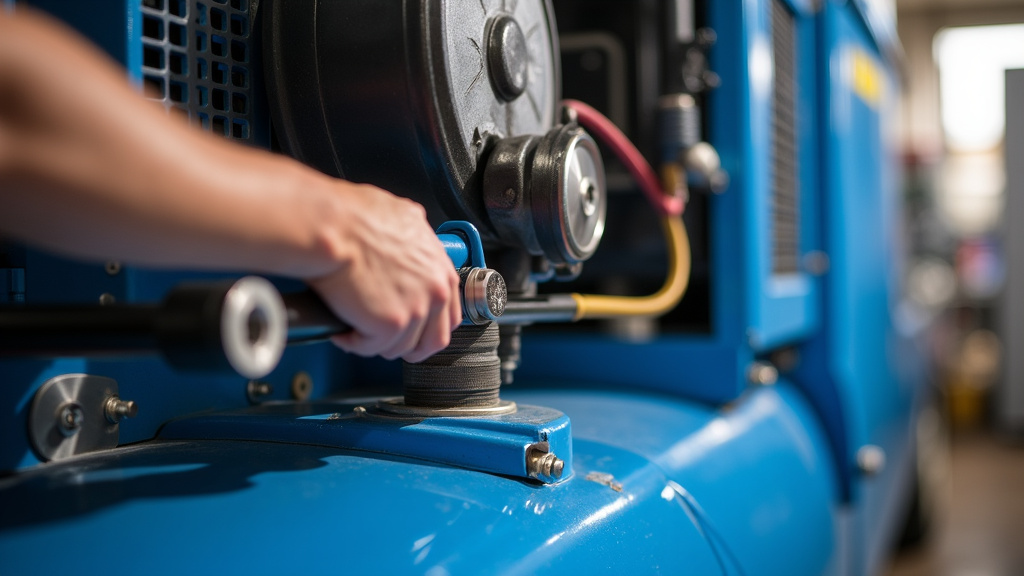
A Quick Maintenance Checklist for You
Here’s a handy checklist to keep your compressor running smoothly:
- Drain the air tank daily or after each use.
- Check oil level and condition weekly for oil-lubricated models.
- Inspect air filters monthly for dust and debris.
- Listen for any unusual noises during operation.
- Examine belts and hoses for wear or damage periodically.
- Ensure the compressor is clean and free from excessive dust.
| Task | Frequency | Notes |
|---|---|---|
| Drain Air Tank | Daily or after each use | Prevents rust and moisture damage. |
| Check Oil Level (if applicable) | Weekly | Ensure proper lubrication. |
| Inspect Air Filter | Monthly (more often in dusty areas) | Maintains airflow and prevents internal contamination. |
| Change Oil (if applicable) | Every 3-6 months or 1000 hours | Use recommended oil type. |
| Inspect Belts & Hoses | Every 3-6 months | Check for wear, cracks, and tension. |
| Clean Compressor Exterior | Monthly | Prevents dust buildup, aids cooling. |
Conclusion
Taking care of your air compressor is simpler than you might think. By dedicating a little time to routine maintenance, you’re actively preventing common problems and saving yourself from future headaches. Remember, draining the tank daily, checking your oil, and keeping filters clean are your biggest allies. These consistent efforts ensure your compressor performs reliably for years to come. Don’t wait for a breakdown; make these simple checks a habit starting today!
Frequently Asked Questions
How often should I really drain the air compressor tank?
You should aim to drain your air compressor tank at the end of each day you use it. If your usage is very light, draining it at least once a week is the minimum. This simple step prevents moisture buildup, which causes rust and can damage your tools.
Can I use regular car motor oil in my air compressor?
No, you should never use regular motor oil. Air compressors require special oil formulated for high temperatures and pressures. Using the wrong type can lead to foaming and serious damage to your compressor’s internal components. Always check your owner’s manual for the correct oil type.
My air filter looks a little dusty, do I need to replace it?
Not necessarily. You can often clean a dusty air filter by gently tapping it or blowing compressed air through it from the inside out. However, if the filter is heavily soiled, damaged, or cleaning doesn’t improve airflow, it’s time for a replacement.
What does it mean if my air compressor is making a loud knocking noise?
A loud knocking sound often indicates an internal engine issue. This could be a sign of wear and tear on moving parts. It’s best to stop the compressor immediately and consult your owner’s manual or a professional technician to diagnose and fix the problem before it worsens.
Is it okay to let my air compressor get dirty?
No, you should keep your air compressor clean and free from excessive dust. Dust buildup can clog components like air filters and also hinder the compressor’s ability to cool itself properly. Regular cleaning, especially around the motor and pump, aids in better performance and longevity.
