
Do You Need to Drain Your Air Compressor Tank Every Day?

Yes, you absolutely should drain your air compressor tank every day. Doing so is crucial for preventing rust and corrosion inside the tank. This simple daily habit helps protect your compressor and ensures it runs efficiently.
Moisture buildup is a common problem with air compressors. When humid air condenses, it settles at the bottom of the tank. If left unchecked, this water can lead to significant damage over time. Regularly draining the tank is one of the most important maintenance tasks you can perform.
- Drain your tank daily to prevent rust.
- Water buildup can damage the tank and tools.
- It’s a quick and easy maintenance step.
- Protect your investment and ensure smooth operation.
Below, we’ll walk you through why this is so important and exactly how to drain your air compressor tank.
Why You Should Drain Your Air Compressor Tank Daily
So, why is this simple act of draining your air compressor tank so important? It all comes down to For applications requiring the cleanest air possible, like airbrushing, ensuring your tank is drained is essential for clean air for airbrushing.moisture. Think of your air compressor like a soda bottle on a humid day. As the air inside warms up, it holds less water. Then, as it cools down, that water needs to go somewhere.
In an air compressor, this “somewhere” is usually the bottom of your tank. This happens naturally. When you compress air, you’re squeezing it into a smaller space. This process also squeezes out any water vapor present. This water then condenses and settles at the bottom.
The Rust and Corrosion Problem
Leaving this water in your tank is like leaving a puddle in your garage. Over time, it will start to cause problems. The metal inside your tank is exposed to this moisture constantly. This exposure leads to rust and corrosion.
Rust isn’t just ugly; it’s damaging. It weakens the metal of your tank. Tiny rust particles can break off and get into your air lines. This can clog up tools and filters. Corrosion can also eat away at the tank’s integrity. A compromised tank is a safety hazard.
Protecting Your Tools and Equipment
Your air compressor powers a lot of your tools. From impact wrenches to spray guns, they all rely on clean, dry air. When water gets into your air lines, it can ruin these tools. Water can cause internal components to seize up or corrode. This leads to expensive repairs or premature tool replacement.
Imagine your favorite paint sprayer suddenly spitting out rusty water. Or your nail gun jamming because of water damage. It’s a frustrating and costly experience. Draining the tank is a simple way to prevent this.
Maintaining Air Quality
For some applications, like painting or delicate assembly, the quality of your air is critical. Water in the air line can ruin a paint job. It can create bubbles or an uneven finish. In food processing or medical applications, contaminants like rust are simply unacceptable. Keeping your tank drained ensures you have the To ensure you have the cleanest air possible for tasks like painting, daily draining is a recommended practice.cleanest air possible for your work.
Many experts highlight the importance of air quality for specific jobs. They stress that even small amounts of moisture can cause visible problems. This is why daily draining is such a recommended practice.
How Condensation Happens: A Closer Look
Let’s break down exactly how that water gets into your tank. It’s a natural physical process. Warm, humid air enters your compressor. As it’s compressed, the air’s temperature rises. Then, as the compressed air cools down inside the tank, its ability to hold moisture decreases.
Temperature Changes and Water Vapor
Think about the air outside on a summer day. It’s warm and can feel “heavy” with humidity. That humidity is water vapor. When you suck that air into your compressor, you’re bringing that moisture along for the ride. The compression process heats things up, but eventually, the tank cools down, especially when the compressor cycles off.
This cooling is the key. Cooler air simply cannot hold as much water vapor as warm air. The excess water has to come out of the air. It then turns into liquid water. This liquid water then drips down and collects in the lowest part of the tank.
The Role of Humidity Levels
The amount of water you find in your tank can vary. It depends heavily on the humidity of the surrounding air. On a very humid day, you’ll likely see more water when you drain the tank. On a dry day, you might only get a small amount, or even nothing at all.
Even on drier days, some condensation can still occur. The temperature differences during the compression and cooling cycle are enough. That’s why making it a daily habit, regardless of the weather, is the best approach. You’re preparing for the worst-case scenario.
Your Daily Air Compressor Draining Checklist
Making this a regular habit is easier than you think. It takes just a minute or two. Here’s a simple checklist to help you remember:
- End of the Day Routine: Make draining your tank part of your shutdown process.
- Locate the Drain Valve: Know where your tank’s drain valve is. It’s usually at the very bottom.
- Open Slowly: Turn the valve slowly. You might hear a hiss of air.
- Let it Drain: Allow all the water and air to escape until it stops.
- Close Securely: Close the drain valve completely.
- Check for Leaks: Briefly turn the compressor on to ensure the valve is sealed tight.
How to Drain Your Air Compressor Tank
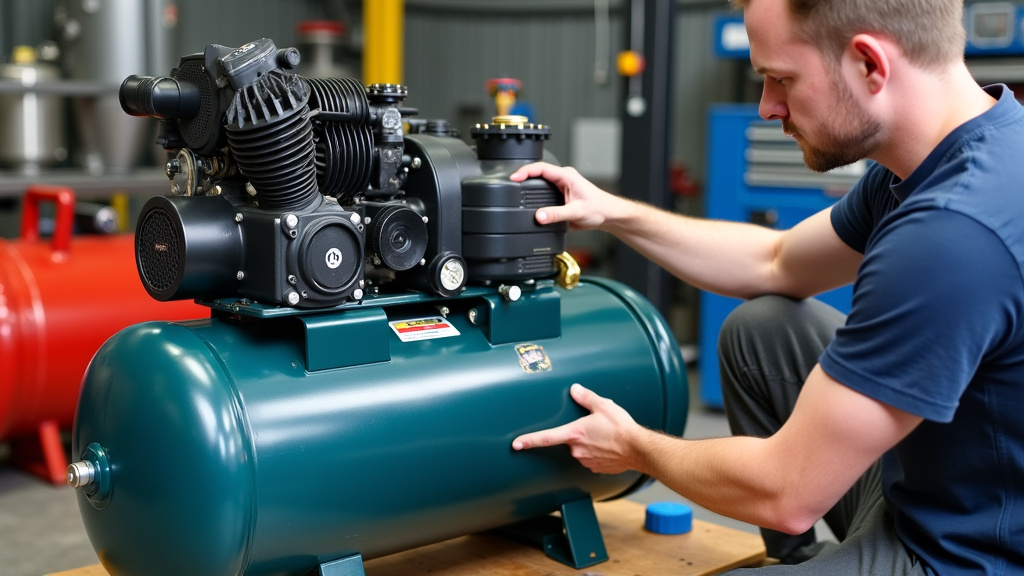
Draining your air compressor tank is a straightforward process. Most compressors have a drain valve located at the very bottom of the tank. This valve is typically a small knob, lever, or petcock.
Types of Drain Valves
There are a few common types of drain valves you might encounter:
- Manual Drain Cock (Petcock): This is a simple valve you turn by hand. It’s very common on smaller compressors.
- Ball Valve: These have a lever handle that you turn 90 degrees to open or close. They offer a more robust seal.
- Automatic Drain Valves: Some larger or more advanced compressors have automatic drain valves. These open and close on a timer or based on pressure. While convenient, they can sometimes fail or still require manual checks.
The Step-by-Step Draining Process
Regardless of the valve type, the basic steps are the same. First, ensure your compressor is turned off and the power source is disconnected or switched off. Safety first! You don’t want the compressor to suddenly start while you’re working on it.
Next, you need to relieve the pressure inside the tank. You can do this by opening an air outlet or hose connected to the tank. Just cracking it open slightly will let the air escape slowly. Some people prefer to let the pressure bleed off completely before draining. It’s often easier to drain with a little bit of pressure, but not too much.
Now, locate that drain valve at the bottom of the tank. Place a small container or rag underneath it to catch any drips. Slowly turn the valve. You’ll hear air hissing out. Let the air and any water drain out completely. This might take a minute or two. You’re looking for all the moisture to be expelled.
Once the hissing stops and no more water comes out, it’s time to close the valve. Turn it back to its original closed position. Make sure it’s snug but don’t overtighten it. Finally, close your air outlet if you opened one to release pressure.
What to Expect: Water or Just Air?
What comes out when you drain the tank? Ideally, it’s just air. However, especially during humid weather or after heavy use, you’ll likely see some water. It might be a small trickle or a steady stream. Sometimes, it can even be murky or rusty-looking. That’s a clear sign the drain is needed more frequently.
If you consistently drain the tank and only get air, that’s great! It means your compressor is likely running efficiently and your environment isn’t excessively humid. But even then, maintaining the daily habit is the best way to ensure you don’t develop problems later on.
When to Drain More Frequently
While daily draining is the general rule, there are times when you should drain your tank more often. If you live in a very humid climate, you might need to drain it mid-day, especially if you’re using the compressor heavily. After running the compressor for extended periods, the condensation can build up faster.
Also, if you notice any signs of rust or corrosion when you drain the tank, it’s a good indicator that you need to be more diligent. We found that some users even drain their tanks after every use, regardless of the day, just to be absolutely sure.
The Long-Term Benefits of Daily Draining
Making this a part of your routine offers substantial long-term benefits. You’ll extend the lifespan of your air compressor. You’ll prevent costly repairs down the line. Your tools will run more smoothly and efficiently.
Investing a minute or two each day saves you time and money in the long run. It’s one of the most effective, low-cost maintenance practices you can adopt for your compressed air system. Think of it as giving your compressor a daily refresh, ensuring it’s ready to perform when you need it most.
Conclusion
You’ve learned why daily draining is a non-negotiable maintenance task for your air compressor. It’s your best defense against rust, corrosion, and damage to both the tank and your valuable tools. This simple habit prevents moisture from compromising your equipment and ensures you get the cleanest air possible for your projects. Make it a quick part of your end-of-day routine. Start draining your tank consistently today to protect your investment and keep your compressor running smoothly for years to come.
Frequently Asked Questions
How long does it take to drain an air compressor tank?
Draining your air compressor tank typically takes just one to two minutes. You’ll need to locate the drain valve, open it slowly, allow any trapped air and moisture to escape, and then close it securely.
Can I drain my air compressor while it’s still running?
No, you should never drain your air compressor tank while it’s running or under full pressure. Always turn off the compressor and disconnect the power source first. Relieve excess pressure by opening an air outlet slightly before you open the drain valve.
What if I don’t have a drain valve on my air compressor?
Most air compressors are equipped with a drain valve at the bottom of the tank. If yours somehow doesn’t have one, you may need to consult your owner’s manual or consider contacting the manufacturer. It’s a standard safety and maintenance feature.
Will draining the tank remove all the moisture?
Draining the tank removes the bulk of the condensed water that settles at the bottom. However, some residual moisture might remain clinging to the tank walls. Consistent daily draining is the best way to minimize this buildup and its potential effects.
Is it okay to drain the tank into a bucket or just onto the floor?
It’s best to place a small container, like a bucket or tray, underneath the drain valve when you release the air and water. This helps to catch any drips and prevents water from pooling on your floor, which could create a slip hazard or potentially damage your flooring over time.
