
Do You Need to Drain Your Air Compressor Tank Every Day?
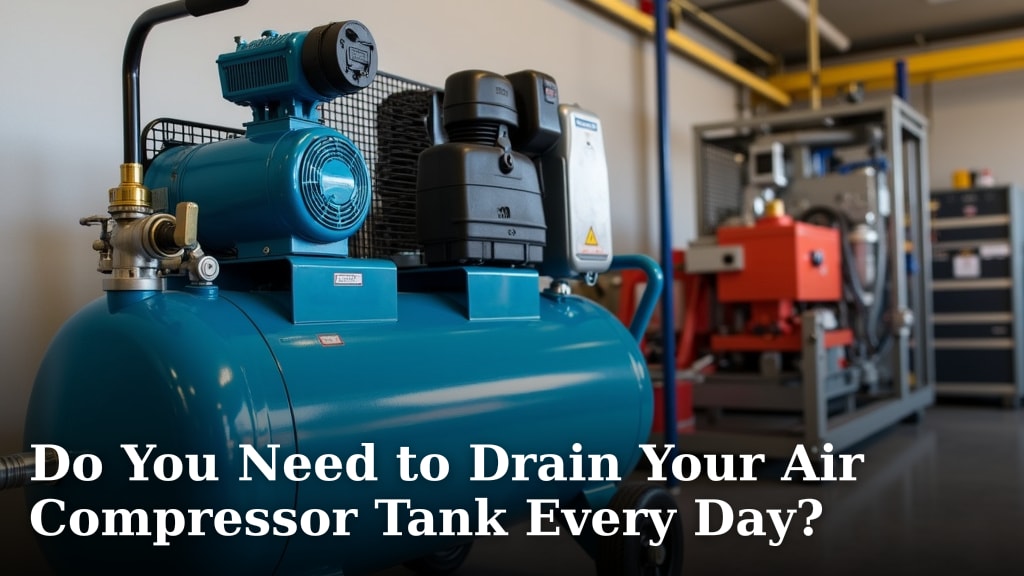
Yes, you absolutely need to drain your air compressor tank every day if you use it regularly. This simple habit prevents serious issues and keeps your equipment running smoothly.
Ignoring daily draining allows water to build up inside the tank, leading to rust and corrosion. This shortens the lifespan of your compressor and can even damage your air tools. It’s a small task with big long-term benefits for your wallet and your projects.
- Daily draining prevents rust.
- Water inside the tank is bad for your tools.
- It extends your compressor’s life.
- It’s a quick, easy maintenance step.
- Neglecting it leads to costly repairs.
Let’s dive into why this routine maintenance is so important and how it protects your investment.
Why Daily Air Compressor Tank Draining is a Must
Draining your air compressor tank daily isn’t just a suggestion; it’s a critical part of maintaining your equipment. Think of it like changing the oil in your car – neglect it, and you’ll run into serious trouble down the road.
The main reason? Water accumulation. Air compressors work by drawing in ambient air, which always contains some moisture. As this air is compressed, it heats up. Then, as it cools in the tank, that moisture condenses into liquid water. It’s simple physics at play.
The Hidden Enemy: Condensate Build-Up
Every time your compressor runs, it’s collecting water. This isn’t just a few drops; it can be a surprising amount, especially in humid environments. We found that a compressor running for just a few hours can collect several ounces of water.
This condensate sits at the bottom of your tank, just waiting to cause problems. It’s not just pure water, either. It often contains oil mist and other contaminants from the air, creating a corrosive mixture.
Where Does the Water Come From?
It’s all about humidity. If you live in a place with high humidity, your compressor will collect more water. Even on a dry day, there’s still some moisture in the air. Your compressor simply squeezes it out.
Imagine a sponge – when you squeeze it, water comes out. Your compressor does something similar with the air, wringing out the moisture before it gets stored in the tank.
The Nasty Consequences of Neglect
So, what happens if you skip draining? A lot of bad things, unfortunately. It’s like letting dirty dishes pile up – eventually, it becomes a much bigger, smellier problem.
- Rust and Corrosion: The most immediate and damaging effect. Water and metal don’t mix, especially over time. Rust weakens the tank walls.
- Reduced Tank Capacity: As water builds up, it takes up space. This means your tank holds less compressed air, making your compressor work harder and run longer.
- Contaminated Air Supply: The water can get pushed into your air lines, contaminating your tools and your projects. Imagine trying to paint a car with water spraying out of your airbrush!
- Damage to Air Tools: Moisture is terrible for pneumatic tools. It can rust their internal components, wash away lubricants, and lead to premature failure.
- Safety Hazard: A severely rusted tank is a weaker tank. Under pressure, a weakened tank can become a serious safety risk. The Occupational Safety and Health Administration (OSHA) emphasizes regular maintenance for pressure vessels.
Rust: The Silent Killer of Air Compressor Tanks
Rust might seem like a slow problem, but it’s relentless. It eats away at the metal from the inside out, where you can’t see it. This is why daily draining is so crucial – you’re removing the primary cause of rust.
Once rust starts, it’s hard to stop without professional intervention, and by then, the damage is often done. A rusted tank often needs to be replaced, which is a significant expense.
How Water Harms Your Air Tools and Projects
It’s not just the compressor tank at risk. That water can travel with the air. If you’re using an impact wrench, that water can get into its delicate mechanisms, causing rust and reducing its power. If you’re painting, water droplets can ruin your finish, leading to “fish eyes” or bubbling.
For precision tasks, even a tiny amount of moisture can be a big problem. Think of air sanding – water in the line can clog your sandpaper and create messy slurries. Protecting your tools means protecting your projects.
Making Daily Draining a Habit: Your Simple Checklist
This isn’t a complex task. It takes less than a minute, but it saves you hours of headaches and hundreds of dollars in repairs. Make it part of your routine, just like turning off the lights when you leave a room.
Here’s a quick checklist to make it a habit:
- Power down your compressor after use.
- Locate the drain valve at the bottom of the tank.
- Place a bucket or rag underneath the valve.
- Slowly open the valve to release air and water.
- Close the valve once only air escapes and the tank is empty.
- Wipe up any spilled water.
When to Drain: A Quick Guide
While “every day” is the golden rule for regular users, let’s clarify what that means. If you use your compressor for an hour or more, it needs draining. If you just hit it for a quick tire inflation for 5 minutes once a week, daily draining might be overkill, but still highly recommended after each use.
Here’s a simple guide to help you decide:
| Usage Frequency | Draining Frequency | Why |
|---|---|---|
| Daily/Heavy Use | Every Day After Use | Significant water accumulation is guaranteed. Essential for longevity. |
| Weekly/Moderate Use | After Each Use | Even weekly use builds up water; don’t let it sit. |
| Monthly/Infrequent Use | Before Storage & Before Next Use | Prevent long-term corrosion; ensure clean air for the next job. |
| High Humidity Environment | Even More Frequently | Humid air means more condensation. Check often. |
The Payoff: Longevity, Performance, and Peace of Mind
Regular draining directly translates to a longer life for your air compressor. You’ll avoid costly repairs or the need to replace the entire unit prematurely. Your tools will perform better and last longer too.
Beyond the money saved, there’s the peace of mind. Knowing your equipment is in good shape and ready for your next project is invaluable. It’s a small effort for big returns.
What if You Forget? Don’t Panic, Just Drain It!
We’ve all forgotten something before, right? If you miss a day or two, don’t beat yourself up. Just make sure to drain it as soon as you remember. It’s better late than never.
However, make it a point to establish the habit. Set a reminder on your phone, or tack a note to your compressor. Future you (and your wallet) will be very thankful.
Conclusion
You now understand why daily air compressor tank draining is not just a chore, but a critical investment in your equipment’s health. By taking this simple, minute-long step, you actively prevent rust, protect your valuable tools, and extend the life of your compressor. It saves you money on repairs and replacements, ensuring your projects run smoothly without interruption. Make this easy habit a consistent part of your routine. Your tools, your projects, and your wallet will thank you for it.
Frequently Asked Questions
What happens if I never drain my air compressor tank?
If you never drain it, water and contaminants will build up inside. This leads to severe rust and corrosion of the tank itself. It also pushes moisture into your air lines, damaging your pneumatic tools and ruining your work.
Can I use an automatic drain valve for my compressor?
Yes, automatic drain valves are a great solution for regular users. They remove moisture buildup without you needing to remember daily. We’ve found they significantly improve convenience and consistency in maintenance.
How much water can an air compressor tank really collect?
The amount varies greatly based on humidity and usage, but it can be substantial. In humid environments, a compressor running for just a few hours can collect several ounces of water. Over days or weeks, this adds up to significant quantities.
Does the size of my air compressor tank affect how often I should drain it?
Not really for the “every day” rule. While a larger tank might hold more water before overflowing, the issue isn’t overflow. It’s the constant presence of water causing rust. We recommend draining all tank sizes daily with regular use.
Is the water drained from a compressor tank safe to pour down the drain?
Typically, no. The condensate often contains oil and other particles from the air and compressor. It’s considered hazardous waste in many areas. You should collect it and dispose of it responsibly according to local regulations, often by taking it to an oil recycling center.
