
Why Is My Air Compressor Motor Humming but Not Starting?
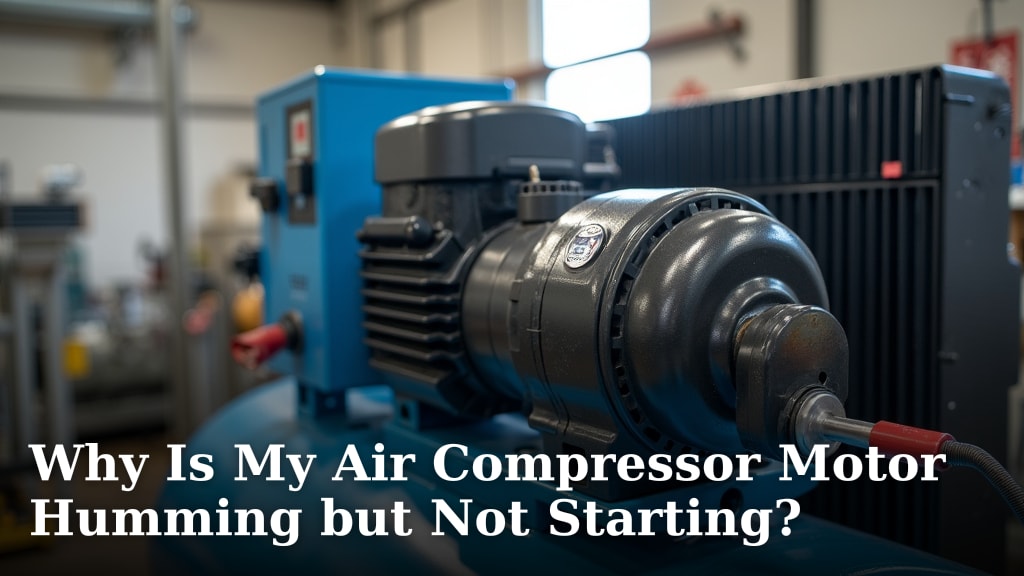
If your air compressor motor is humming but not starting, it usually means power is reaching the motor, but something is preventing it from turning. This could be a locked-up compressor, a bad start capacitor, or a voltage issue. We’ve found these are the most common culprits when your compressor makes noise but stays still.
It’s a frustrating situation, right? You need air, and your compressor is just sitting there, making a sad little hum. Understanding the potential issues is the first step to getting it back online. This often points to a few specific mechanical or electrical snags that are surprisingly common.
- It hums because it’s getting power.
- It doesn’t start because something’s blocking it.
- Common causes include a stuck compressor, bad capacitor, or low voltage.
- Checking these is your first step.
Let’s walk through exactly why this happens and how you can start troubleshooting this common air compressor problem.
Decoding Your Air Compressor’s Humming Without Starting
So, your air compressor is making that tell-tale hum but refusing to spin up? This usually means power is getting to the motor, but something is preventing it from turning. It’s like your car engine is trying to start, but the transmission is stuck in gear. We’ve found this is a common frustration for many air compressor owners. Let’s break down why this happens and what you can do about it.
The hum is actually a good sign, in a way. It tells us the electrical current is reaching the motor. The problem lies in whatever is stopping the motor’s shaft from rotating. We’ve identified a few key areas to investigate that often resolve this issue.
Troubleshooting the Motor’s Hum: Where to Start
When your air compressor motor hums but doesn’t start, it’s often a sign of a mechanical blockage or an electrical component that’s failed. Don’t worry, many of these issues can be diagnosed and sometimes fixed with a little patience and the right approach. We recommend starting with the simplest checks first.
1. Is the Compressor Mechanically Locked Up?
This is one of the most frequent reasons a motor hums without turning. Think of it as the pump itself being stuck. This can happen due to old oil, rust, or debris. If the pump is seized, the motor can’t turn it, and it will just hum.
How to Check for a Locked-Up Pump
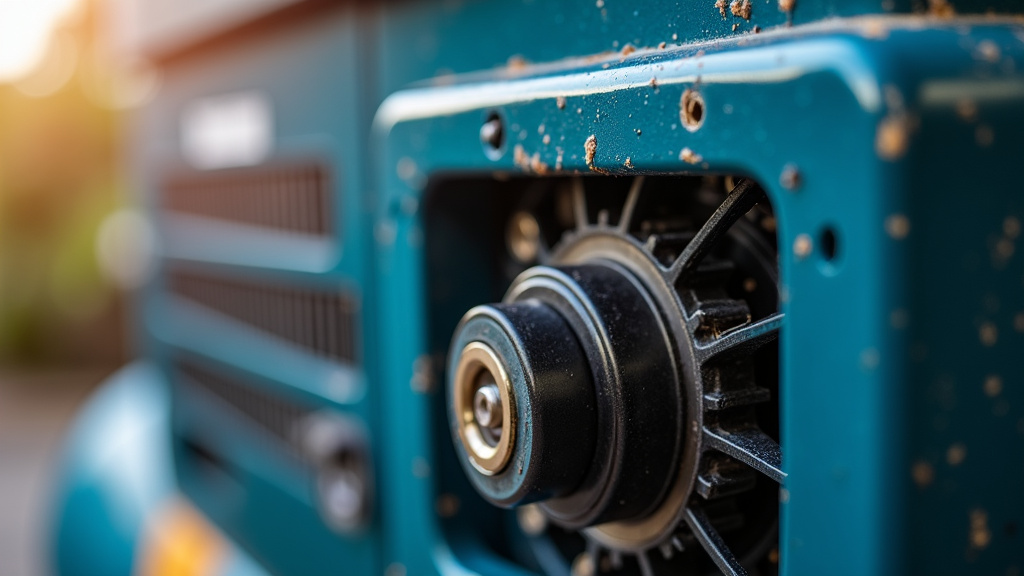
First, ensure the compressor is unplugged. This is a safety must. You’ll want to try turning the motor shaft by hand. You can usually access the shaft by removing the fan shroud or cover. Use a wrench on the shaft nut if needed. If it’s incredibly difficult or impossible to turn, the pump is likely locked up. We’ve found that sometimes a few firm taps with a rubber mallet can free a slightly stuck pump, but if it’s severely seized, it may require more involved repairs or replacement.
What Causes a Pump to Lock Up?
- Lack of Lubrication: Over time, oil can break down or leak out. If the compressor runs dry, internal parts can seize.
- Moisture and Rust: If water gets into the pump cylinder, it can cause rust. This is especially true for compressors stored in damp environments.
- Debris: Small foreign objects can get into the pump mechanism and cause a blockage.
- Overheating: Repeated overheating can cause internal components to warp and seize.
Many experts recommend regular maintenance, including checking oil levels and running the compressor periodically, to prevent this (National Air Compressor Association).
2. The Start Capacitor: A Common Culprit
Your air compressor motor uses a start capacitor to give it that initial “kick” to get going. If this capacitor fails, the motor might hum but won’t have enough power to start rotating. We’ve found this is one of the most common electrical failures in these units.
How Capacitors Work (Simply Put)
Imagine pushing a heavy door. You need a good shove to get it moving. The start capacitor acts like that initial shove for the motor. Once the motor is spinning, a different part of the system takes over. If the capacitor is weak or dead, it can’t provide that necessary jolt.
Testing and Replacing a Start Capacitor
Testing a capacitor requires a multimeter and some caution, as capacitors can store a charge even when the unit is unplugged. If you’re not comfortable with electrical testing, it’s best to consult a qualified technician or replace the capacitor as a first step if other checks yield no results. Capacitors are rated in microfarads (µF). You need to buy a replacement with the exact same rating. We found that capacitors are relatively inexpensive and a common point of failure, making them a prime suspect.
3. Voltage Issues: Is It Getting Enough Power?
Sometimes, the problem isn’t with the compressor itself but with the power supply. If the motor isn’t receiving the correct voltage, it might hum but lack the power to start. This can be due to a few things.
Checking Your Power Outlet
First, ensure you’re using a properly grounded outlet with adequate amperage for your compressor. Using extension cords can sometimes cause voltage drop, especially if they are too long or too thin. We recommend plugging the compressor directly into the wall outlet if possible for testing. If you suspect an outlet issue, you can use a multimeter to check the voltage directly at the outlet. Many guidelines recommend checking that the voltage is within 10% of the motor’s rating (Department of Energy). First, ensure you’re using a properly grounded outlet with adequate amperage for your compressor.
Low Household Voltage
In some cases, the issue might be low voltage from your home’s electrical system. This is less common but can happen if there’s a problem with your wiring or the utility supply. If other appliances in your home are also acting sluggish, this could be a sign. You would need to test the voltage at the outlet when the compressor is trying to start.
4. Other Potential Electrical Problems
While less common than capacitor or voltage issues, other electrical components can fail. These include the start relay, the thermal overload protector, or even the motor windings themselves.
The Start Relay
Some compressors use a start relay instead of or in addition to a capacitor. This relay helps switch the starting components out of the circuit once the motor is running. If the relay is stuck open or closed, it can prevent the motor from starting or running correctly.
Thermal Overload Protector
This is a safety device designed to shut off the motor if it overheats. If this protector trips, the motor will stop. While it usually prevents starting altogether if it’s faulty and stuck in the “off” position, it’s worth knowing it exists. Sometimes, simply letting the compressor cool down can reset it.
Motor Windings
The motor’s internal windings can become damaged or short-circuited, especially from overheating. If the windings are the issue, it typically requires professional repair or motor replacement. This is usually a more serious and costly problem.
Quick Troubleshooting Checklist
To help you get started, here’s a quick checklist of things to look at when your air compressor motor is humming but not starting:
- Unplug the compressor before doing any physical checks. Safety first!
- Try to manually turn the motor shaft to check for mechanical lock-up.
- Inspect the start capacitor for any visible damage (bulging, leaking).
- Ensure you’re using a direct wall connection and a suitable outlet.
- Let the compressor cool down completely if it recently ran.
- If comfortable, use a multimeter to check voltage at the outlet.
Conclusion
It’s definitely frustrating when your air compressor motor hums but refuses to start. You’ve learned that this usually means power is reaching the motor, but something is preventing it from turning. We’ve covered the most common culprits: a mechanically locked-up pump, a failed start capacitor, or a voltage issue at your outlet. Before calling a professional, try the troubleshooting steps we’ve outlined, starting with safety checks like unplugging the unit and trying to turn the shaft manually. Often, a simple fix like addressing a stuck pump or replacing a capacitor can get you back to work.
Frequently Asked Questions
How do I know if my air compressor motor is truly locked up?
You’ll know it’s locked up if you cannot manually turn the motor shaft by hand, even with a wrench. This means the pump mechanism is seized, preventing the motor from spinning it. It’s a clear sign something is physically blocking rotation.
Can I test a start capacitor myself?
Yes, but with caution. You’ll need a multimeter set to measure capacitance. Before testing, discharge the capacitor safely. If you’re not comfortable with electrical testing, it’s safer to have a technician check it or replace it if other troubleshooting steps don’t resolve the humming issue.
What’s the difference between a start capacitor and a run capacitor?
The start capacitor provides the initial boost needed to get the motor spinning from a standstill. A run capacitor, if your compressor has one, helps maintain the motor’s speed once it’s already running. The hum usually indicates a start capacitor problem.
How can extension cords cause my compressor not to start?
Long or thin extension cords can cause voltage drop, meaning the motor doesn’t receive enough power to start. This electrical resistance can make the motor hum but unable to overcome the load and begin rotating. Always use the thickest gauge cord possible and keep it as short as you can.
If my compressor overheats and trips, will it just hum when I try to restart it?
An overheated compressor usually shuts down completely and might require a cool-down period for its thermal overload protector to reset. If it trips and then only hums upon restart, it could indicate a more persistent issue, like a faulty overload switch or a motor that’s struggling to start due to another underlying problem, like a weak capacitor.
