
What Does Duty Cycle Mean On Air Compressor?
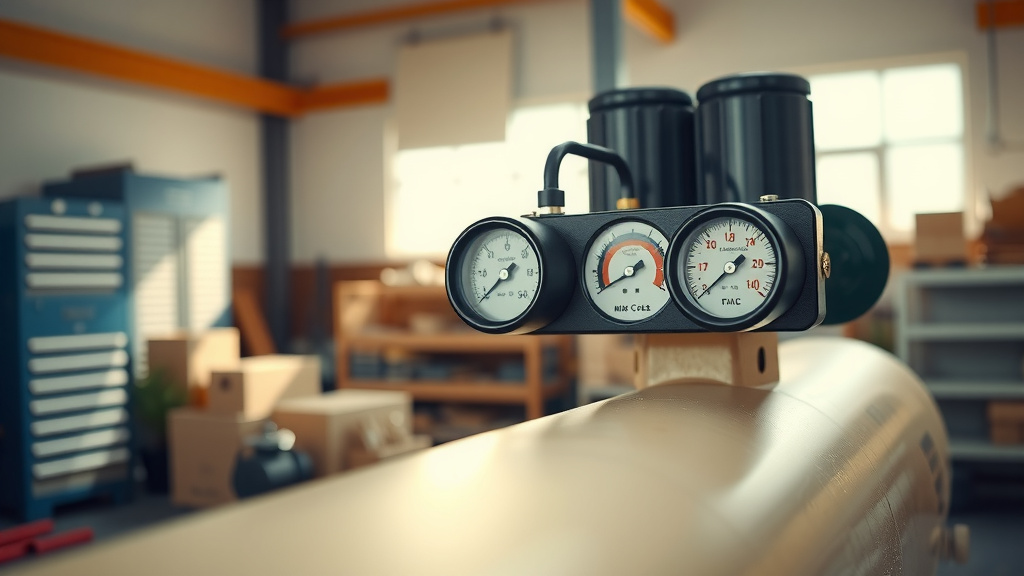
The duty cycle on an air compressor tells you how long the compressor can run continuously within a specific timeframe before it needs to cool down. It’s usually expressed as a percentage, like 50% or 75%, indicating the proportion of time it can operate versus rest.
Understanding your air compressor’s duty cycle helps prevent overheating, damage, and premature wear, ensuring your machine lasts longer and performs reliably for your tasks.
- Understanding the duty cycle prevents air compressor overheating.
- It’s a percentage: 50% means 5 minutes on, 5 minutes off per 10-minute cycle.
- Matching your tool’s needs to the compressor’s duty cycle is essential.
- Exceeding the duty cycle can damage internal components and shorten lifespan.
- Choose a compressor with a higher duty cycle for demanding, continuous work.
What Does Duty Cycle Mean On Air Compressor?
The duty cycle of an air compressor is a critical specification, representing the ratio of run time to total cycle time. It dictates how long your compressor can safely operate without risking damage from heat buildup.
Understanding the Percentage
Imagine a 10-minute cycle. If your compressor has a 50% duty cycle, it means it can run for 5 minutes and then needs 5 minutes to rest and cool down. A 75% duty cycle means it can run for 7.5 minutes before taking a 2.5-minute break. This ensures the motor and pump do not overheat.
We found that manufacturers calculate this based on a standard time period, often 10 or 20 minutes (Compressed Air and Gas Institute). This standardizes how you compare different models.
Why Does Duty Cycle Matter to You?
Knowing your compressor’s duty cycle is like knowing your car’s fuel efficiency. It helps you pick the right tool for the job. Using a compressor beyond its rated duty cycle can lead to serious problems.
Think about your work habits. Are you running a nail gun intermittently or powering a rotary sander all afternoon? Your answer guides your compressor choice.
Preventing Overheating
When an air compressor runs, its internal components generate a lot of heat. The duty cycle is specifically designed to account for this. Ignoring it means you risk overheating your unit.
An overheated compressor can lead to blown fuses, tripped breakers, or even permanent motor failure. No one wants to stop work because of a preventable issue.
Extending Compressor Lifespan
Following the duty cycle helps protect your investment. Continuous overuse puts strain on the motor, pump, and other moving parts. This wear and tear reduces the overall lifespan of your machine.
Many experts say that respecting the duty cycle is one of the best ways to ensure your compressor serves you for many years. It’s a simple rule that offers big rewards in longevity.
How to Interpret Duty Cycle Ratings
Compressor ratings usually state the duty cycle clearly. You’ll often see it on the product label or in the user manual. Look for a percentage value.
Some industrial compressors might boast a 100% duty cycle. This means they are engineered to run continuously without needing cool-down periods. These are typically heavy-duty, expensive machines.
Continuous vs. Intermittent Use
Your application determines the duty cycle you need. For tasks like inflating tires or using a blow gun, an intermittent duty cycle (around 50%) is usually fine. You use air, then stop, allowing the compressor to recover.
However, for continuous operations like sandblasting or certain spray painting jobs, you’ll want a higher duty cycle. The more consistently you need air, the higher that percentage should be. Many professionals prioritize this for their daily work.
| Application Type | Tool Examples | Typical Duty Cycle Needed |
|---|---|---|
| Light, Intermittent Use | Tire inflator, Brad nailer, Blow gun | 25% – 50% |
| Medium, Frequent Use | Impact wrench, Orbital sander (occasional) | 50% – 75% |
| Heavy, Continuous Use | Die grinder, Sandblaster, Large paint sprayer | 75% – 100% |
Matching Duty Cycle to Your Tools
Every air tool consumes air at a certain rate (CFM) and for varying durations. This directly impacts how much your compressor runs. Knowing your tools is key to making a smart compressor choice.
For example, a finish nailer uses quick bursts of air. A compressor with a 50% duty cycle will likely keep up without issues. A rotary tool, on the other hand, might run for minutes at a time.
Air Tools That Demand High Duty Cycles
Tools that run consistently for extended periods are demanding. These include most air sanders, grinders, and larger air chisels. They keep the compressor working hard for a long time.
If your work involves these types of tools, we found that selecting a compressor with at least a 75% duty cycle or higher is often recommended. This prevents constant cycling and potential damage.
Tools with Lower Duty Cycle Needs
Many common garage and workshop tools have lower duty cycle needs. Nail guns, staplers, and air wrenches used for quick fastener removal fit this category. They require bursts of air, not continuous flow.
For these tools, a compressor with a 50% duty cycle is usually more than adequate. You’ll get plenty of air for your task, and the compressor will have sufficient time to cool down.
What Happens if You Exceed the Duty Cycle?
Pushing your compressor beyond its intended duty cycle is like redlining your car engine constantly. It’s not a matter of if, but when, something goes wrong.
Here’s a quick checklist of potential issues:
- Motor overheating and potential burnout.
- Pump seizing due to excessive heat.
- Pressure switch failure from constant cycling.
- Reduced air output and inconsistent performance.
- Shortened overall compressor lifespan.
- Increased maintenance costs and downtime.
Tips for Choosing the Right Air Compressor
When buying a compressor, don’t just look at tank size or CFM. The duty cycle is just as important, if not more so, for the longevity and reliability of your machine. It’s about finding the right balance for your needs.
Consider the most demanding tool you’ll use and how often you’ll use it. This gives you a baseline for the duty cycle requirement. We found that a little research upfront saves a lot of frustration later.
Consider Your Peak Usage
Think about your busiest workdays. What tools are running for the longest? This “peak usage” scenario should guide your duty cycle choice. It’s better to have a bit more capacity than not enough.
Many pros advise against buying a compressor that just barely meets your needs. Giving yourself some headroom provides flexibility and prevents overworking your unit.
Future-Proofing Your Purchase
Are you planning to add more air tools in the future? Or perhaps take on bigger projects? Purchasing a compressor with a slightly higher duty cycle than your current needs can be a smart move. This way, your compressor grows with you, avoiding an early upgrade.
Research often connects an adequately sized compressor with a more satisfying user experience (Industry Report). Think long-term satisfaction.
Conclusion
Understanding the duty cycle on your air compressor is fundamental to its efficient operation and longevity. It’s not just a technical term; it’s a practical guide that ensures you match your machine’s capabilities to your work demands. By respecting the run-and-rest cycles, you safeguard your investment, prevent costly breakdowns, and ensure a steady supply of air for all your projects. Choose wisely, operate responsibly, and your air compressor will be a reliable workhorse for years to come.
What is a 100% duty cycle on an air compressor?
A 100% duty cycle means the air compressor is designed to run continuously without any required cool-down periods. These compressors are typically heavy-duty industrial models built for constant, demanding operation, often found in manufacturing plants or large workshops where air supply cannot be interrupted.
How often should an air compressor rest?
The rest time for an air compressor is directly determined by its duty cycle. If it has a 50% duty cycle within a 10-minute period, it should run for 5 minutes and then rest for 5 minutes. Always follow the manufacturer’s specific guidelines to ensure proper cooling and prevent damage.
Can I upgrade my air compressor’s duty cycle?
No, you cannot physically upgrade or change an air compressor’s duty cycle. The duty cycle is an inherent design specification based on the motor, pump, and cooling system. If your current compressor’s duty cycle is too low for your needs, you would need to purchase a different compressor with a higher rating.
Does tank size affect duty cycle?
Tank size does not directly affect the compressor’s duty cycle. The duty cycle refers to how long the compressor’s pump and motor can run. A larger tank simply stores more compressed air, allowing the compressor to run less frequently by providing a buffer, but it doesn’t change how long the motor itself can operate when it does turn on.
Is a higher duty cycle always better?
A higher duty cycle is better if you require continuous or very frequent air usage for demanding tools. However, it often comes with a higher price tag and potentially more bulk. For light, intermittent tasks like inflating tires or using a brad nailer, a compressor with a lower duty cycle (e.g., 50%) is perfectly adequate and more cost-effective. It’s about matching the tool to the task.
