
Can I Use Air Tools With A Pancake Compressor?
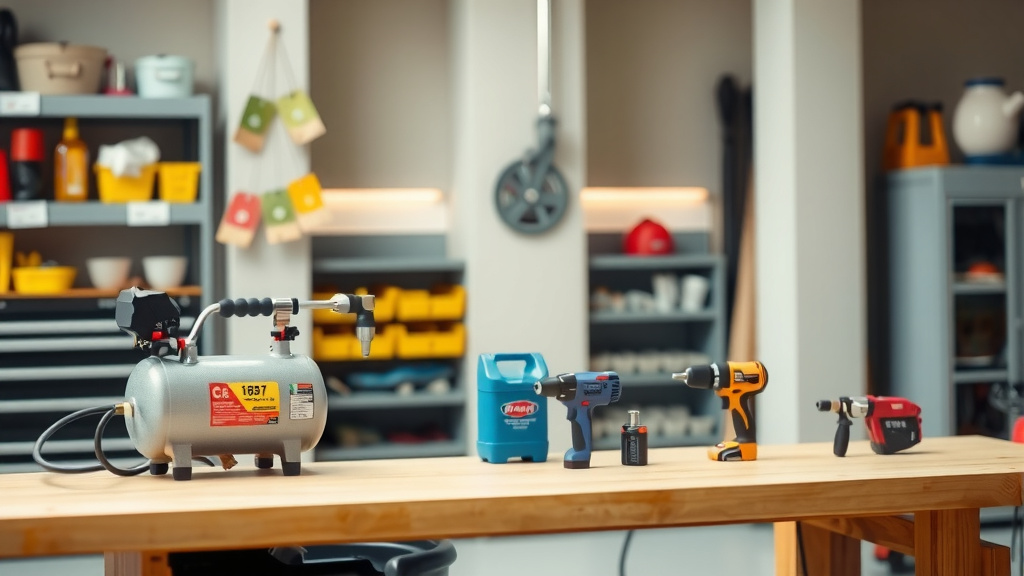
Yes, you absolutely can use air tools with a pancake compressor, especially for light-duty tasks like nailing, stapling, and inflating tires.
However, a pancake compressor often lacks the sustained airflow (CFM) for continuous, heavy-duty air tool operation.
Here’s a quick overview of what you’ll find in this article:
- Pancake compressors are excellent for intermittent tasks.
- They generally struggle with high-demand tools like grinders or sanders.
- Understanding CFM and PSI is key to tool compatibility.
- Proper hose size and maintenance can boost performance.
- You can extend your compressor’s life by not pushing it too hard.
Can I Use Air Tools With A Pancake Compressor?
Yes, you certainly can use many air tools with a pancake compressor. These compact compressors are quite popular for home workshops and DIY projects, offering convenient portability and quick setup.
Understanding Your Pancake Compressor’s Power
Pancake compressors are designed for portability and quick bursts of air. They hold less air volume compared to larger tank compressors. This design means they often perform best with tools that don’t need a constant, high-volume air supply.
What’s the Big Deal About CFM and PSI?
When picking air tools, you will often hear about CFM and PSI. CFM, or Cubic Feet per Minute, measures the volume of air your compressor can deliver. PSI, Pounds per Square Inch, is about the air pressure.
Think of it like this: PSI is how hard the water comes out of your garden hose, while CFM is how much water comes out. For most air tools, you need a good balance of both. A common recommendation is to look for tools that require a lower CFM at a specific PSI (Many experts say this is a good guide, according to industry standards).
Duty Cycle: Your Compressor’s Stamina
Every air compressor has a duty cycle. This tells you how long the compressor can run continuously before needing a cool-down period. Pancake compressors typically have a lower duty cycle. This means they are great for short, intermittent tasks, but they will need breaks more often if you use them for longer jobs.
When a Pancake Compressor Shines (and When It Doesn’t)
Knowing what your compressor can handle will save you frustration and money. It’s like bringing a spoon to a knife fight; you need the right tool for the job.
Tools That Play Nicely
Pancake compressors are perfect for tasks around the house or in your garage. We found they work wonderfully with tools that demand quick air bursts rather than constant flow. Some examples include:
- Brad Nailers and Staplers: Ideal for trim work, upholstery, or small carpentry projects. They use air quickly but not continuously.
- Tire Inflators: Great for cars, bikes, and sports equipment. Inflating a tire is a short, straightforward task.
- Blow Guns: Perfect for cleaning dust and debris from work surfaces or machinery.
- Air Brushes: For painting small models or touch-up work, these tools have low CFM requirements.
Tools That Might Struggle
Some air tools are just too greedy for a pancake compressor. They need a lot of air, all the time. Using these tools with a small compressor will make it run constantly, leading to overheating and premature wear. Avoid pairing your pancake compressor with:
- Air Sanders: These consume high CFM continuously, quickly draining a small tank.
- Impact Wrenches: While they might work for a few bolts, sustained use will tax your compressor heavily.
- Grinders and Cut-Off Tools: These are heavy-duty tools that demand a large, steady airflow.
- Paint Sprayers (HVLP): While some small touch-up guns might work, most HVLP sprayers need significant, continuous air volume.
Matching Tools to Compressor: The Golden Rule
The best way to know if a tool will work is to check its CFM requirement against your compressor’s CFM output. Always pick a compressor that provides more CFM than the tool needs at the required PSI. This gives you a buffer and prevents your compressor from constantly running.
Here’s a simple guide for common tools:
| Air Tool Type | Typical CFM @ 90 PSI | Pancake Compressor Compatibility |
|---|---|---|
| Brad Nailer | 0.3 – 1.0 | Excellent |
| Stapler | 0.3 – 1.0 | Excellent |
| Tire Inflator | 1.0 – 2.0 | Very Good |
| Blow Gun | 1.0 – 3.0 | Very Good |
| Air Ratchet | 2.5 – 4.0 | Fair (intermittent use) |
| Impact Wrench | 4.0 – 6.0+ | Limited (lightest tasks) |
| Air Sander | 7.0 – 12.0+ | Poor (not recommended) |
Maximizing Your Pancake Compressor’s Potential
Even with a smaller compressor, you can optimize its performance. A few simple steps can make a big difference in your user experience and tool longevity.
Hose Management: Size Matters
Using the right air hose is more important than you might think. A longer or narrower hose can restrict airflow, causing a drop in pressure and CFM at the tool. For most pancake compressor setups, a 3/8-inch diameter hose is a good choice for minimizing pressure drop over reasonable lengths (research points to this as optimal for small compressors).
Regular Maintenance for Peak Performance
Like any machine, your compressor needs a little TLC. Always drain the moisture from the tank after each use. This prevents rust inside the tank and keeps your air tools running cleanly. Check your air filter periodically and clean or replace it when needed.
Accessory Checklist for Better Air Tool Use
Having the right accessories can make a world of difference. Here’s a quick checklist to help you get the most out of your setup:
- Air Filter/Regulator: Helps clean the air and maintain consistent pressure.
- Lubricator: For tools requiring oil, this delivers a steady mist into the airline.
- Quick-Connect Fittings: Makes switching tools easy and leak-free.
- Sealant Tape: Essential for ensuring airtight connections on threaded pipes.
- Safety Glasses: Always protect your eyes when using air tools.
Potential Pitfalls and How to Avoid Them
While pancake compressors are handy, misusing them can lead to problems. Knowing these common issues can help you avoid them.
Overheating and Wear and Tear
Pushing a small compressor beyond its limits forces the motor to run constantly. This generates excessive heat, which can quickly degrade internal components. If you notice your compressor getting unusually hot, it is trying to tell you something. Give it a break.
Safety First: Always a Good Idea
Working with compressed air requires respect. Always wear appropriate safety gear, including eye and ear protection. Never point a blow gun at yourself or others. Ensure all connections are secure before operating tools to avoid accidental disconnections and injuries.
Conclusion
Pancake compressors are fantastic for many DIY and light professional tasks, offering convenience and portability. You can definitely use a range of air tools with them, provided you match the tool’s air requirements to your compressor’s capabilities. By understanding CFM, PSI, and practicing good maintenance, you will enjoy a long and productive relationship with your compact air power partner. Just remember, knowing your limits makes all the difference.
What are the typical CFM requirements for common air tools?
Common tools like brad nailers need very little, usually under 1 CFM. Tire inflators and blow guns often require between 1-3 CFM. Larger tools like impact wrenches or air ratchets generally need 3-5 CFM, while heavy-duty tools like grinders can demand 7 CFM or more.
How long can a pancake compressor run continuously?
Pancake compressors are designed for intermittent use. They typically run for a few minutes at a time to fill the tank, then cycle on and off as you use air. Sustained, continuous running for more than 5-10 minutes is usually beyond their typical duty cycle and can lead to overheating.
Can I use a pancake compressor for automotive work?
Yes, for light automotive tasks like filling tires, using a blow gun, or some minor air riveting, a pancake compressor can work. However, for heavier tasks like removing lug nuts with an impact wrench or air sanding body panels, you will likely need a larger compressor with higher CFM and tank capacity.
Is a larger air hose always better for a pancake compressor?
Not necessarily “always better,” but generally, a wider hose (like 3/8-inch) is better than a narrower one for maintaining airflow. However, a hose that is too long, regardless of diameter, will cause a pressure drop. For pancake compressors, a 3/8-inch hose up to about 50 feet is often a good balance.
What is the main advantage of a pancake compressor over other types?
The main advantages of a pancake compressor are its portability, compact size, and relatively low cost. It is easy to move around job sites or store in small spaces. This makes it ideal for DIY enthusiasts or professionals who need air power for quick, mobile tasks.
