How To Use BOSTITCH Air Compressor To Fill Tires?
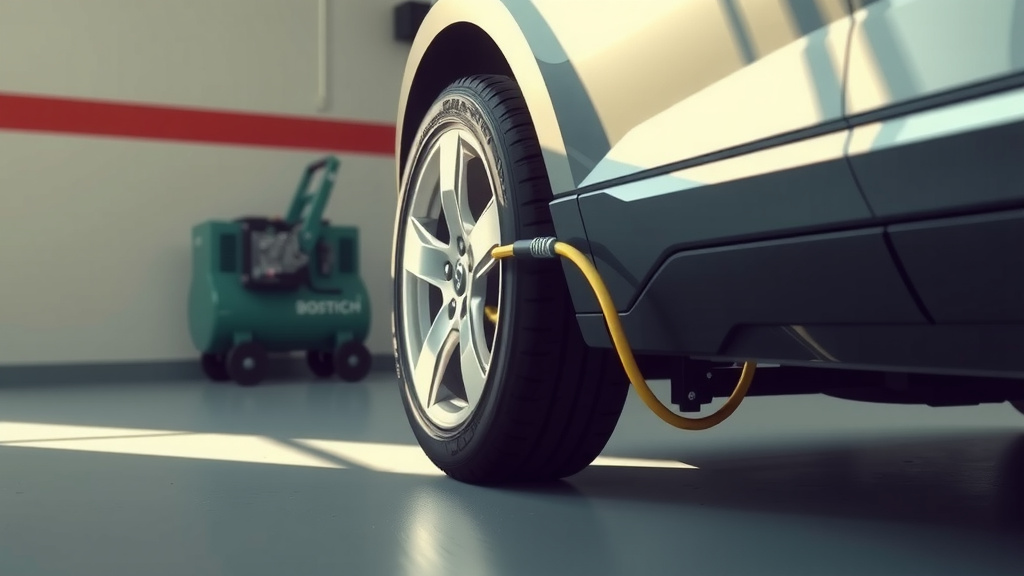
To fill tires using your BOSTITCH air compressor, first connect the tire inflator chuck to the tire valve stem, ensuring a tight seal. Then, power on the compressor, allow it to build pressure, and monitor the tire pressure gauge while adding air until it reaches the manufacturer’s recommended PSI.
Always check your vehicle’s door jamb or owner’s manual for the correct tire pressure before you begin, as over or under-inflation can affect safety and fuel efficiency.
Here’s a quick overview of how to use your BOSTITCH air compressor for tires:
- Gather your BOSTITCH air compressor, hose, and a tire inflator gauge.
- Locate the correct tire pressure for your vehicle.
- Connect the air hose and inflator to your compressor.
- Attach the inflator chuck to the tire valve.
- Add air slowly, checking the pressure often.
- Disconnect and replace the valve cap when finished.
How To Use BOSTITCH Air Compressor To Fill Tires?
Using your BOSTITCH air compressor to fill tires is a straightforward process that boosts your vehicle’s safety and performance. You’ll need to gather your tools, connect everything properly, and carefully monitor the pressure as you add air. It truly extends the life of your tires!
Why Tire Pressure Matters So Much
Ever wonder why everyone talks about tire pressure? Think of your tires as the shoes for your car. If your shoes are too loose or too tight, you can’t walk comfortably or safely, right? It’s similar for your vehicle.
Correct tire pressure ensures optimal handling, fuel efficiency, and tire longevity. Many experts say that maintaining proper tire pressure can even prevent dangerous blowouts (National Highway Traffic Safety Administration).
Getting Ready: Your Essential Tools
Before you start, let’s make sure you have everything you need. You’re setting yourself up for success! We found that a small checklist helps avoid any “oops” moments.
What You’ll Need For Your Tire Inflation Project
- Your BOSTITCH air compressor.
- An air hose with universal quick couplers.
- A tire inflator gauge (often comes with a chuck).
- Your vehicle’s owner’s manual or the sticker inside the driver’s side door.
Setting Up Your BOSTITCH Air Compressor
First things first, let’s get your compressor ready. It’s like getting a pitcher ready for a baseball game – you need to warm up and get positioned correctly.
Placing Your Compressor Safely
Find a flat, stable surface for your compressor. You want to avoid any wobbles or tipping. Make sure it’s also in a well-ventilated area, away from anything flammable. Safety is always a top priority.
Connecting The Air Hose And Inflator
Attach one end of the air hose to the compressor’s air outlet. Listen for that satisfying “click” – it means it’s secure. Then, connect your tire inflator gauge to the other end of the hose. Most inflators use a quick-connect fitting, which makes this step a breeze.
Finding The Right Tire Pressure (PSI)
This is arguably the most vital step. You wouldn’t guess how much air a balloon needs, would you? The same applies to your tires. Don’t rely on the number printed on the tire sidewall; that’s usually the maximum pressure, not the recommended one.
Many vehicle manufacturers provide a sticker on the driver’s side door jamb. Alternatively, check your owner’s manual. This will tell you the recommended PSI for both front and rear tires. It’s often different!
The Inflation Process: Step-by-Step Guide
Alright, tools are ready, target PSI is known. It’s showtime! This is where your BOSTITCH compressor shines.
Removing The Valve Cap
Unscrew the small plastic or metal cap from the tire’s valve stem. Keep it somewhere safe, perhaps in your pocket, so it doesn’t roll away and play hide-and-seek.
Attaching The Tire Inflator Chuck
Push the inflator chuck onto the valve stem. You might hear a slight hiss – that’s normal as air escapes momentarily. Ensure it forms a tight seal; if you hear a continuous hiss, adjust the chuck until it stops. A good seal means efficient inflation.
Powering On The Compressor And Adding Air
Now, turn on your BOSTITCH air compressor. It will start to build pressure. Once the pressure tank is full, it’s ready. Slowly press the lever or button on your tire inflator gauge to add air. You’ll see the pressure gauge start to climb.
Here’s a simple table to illustrate typical PSI ranges:
| Vehicle Type | Recommended PSI Range | Common Use Cases |
|---|---|---|
| Passenger Car | 30-35 PSI | Daily commuting, road trips |
| Light Truck/SUV | 35-45 PSI | Hauling, off-road (adjust as needed) |
| Bicycle | 30-100+ PSI | Road, mountain, hybrid bikes (varies by tire type) |
| Wheelbarrow | 20-30 PSI | Yard work, construction |
Monitoring Pressure And Reaching The Target
This part requires a little patience. Add air in short bursts, then release the inflator lever and check the gauge. Repeat this until you reach your target PSI. It’s better to go a little under and add more, rather than over-inflate and then have to release air.
For best accuracy, we found it helpful to check the tire pressure when the tires are “cold” – meaning they haven’t been driven on for at least three hours or more (Rubber Manufacturers Association).
Releasing Air (If You Over-Inflate)
Oops, went a bit too high? No worries! Most tire inflator gauges have a small button or lever to release air. Press it gently to let some air out, then recheck the pressure until it’s just right.
Replacing The Valve Cap
Once your tire is perfectly inflated, remove the inflator chuck and screw the valve cap back on. This cap helps keep dirt and moisture out of the valve stem, protecting it from corrosion and leaks.
Important Safety Considerations
Working with air compressors involves pressure, so a little caution goes a long way. Always read your BOSTITCH compressor’s manual for specific safety instructions.
Wear Eye Protection
This is a non-negotiable step. Bits of debris can fly, and compressed air can be dangerous. Safety glasses protect your most precious assets.
Avoid Pointing Air Nozzle At Yourself Or Others
Compressed air can cause serious injury. Treat the air nozzle like you would any tool with potential hazards.
Troubleshooting Common Issues
Sometimes, things don’t go perfectly. Don’t fret! We’ve all been there.
Compressor Not Building Pressure
Check if the compressor is plugged in and switched on. Ensure the air tank drain valve is closed. Sometimes, a loose fitting on the hose can cause air leaks, preventing pressure build-up.
Air Leaking From The Tire Valve
If you hear air escaping even after attaching the chuck, try adjusting its position. The rubber gasket inside the chuck might need a better seal against the valve stem. A faulty valve core could also be the culprit.
Gauge Showing Inaccurate Readings
It’s always a good idea to have a separate, trusted tire pressure gauge to double-check readings. Sometimes, the gauge on the inflator can be slightly off, especially if it’s old or has been dropped.
Regular Maintenance For Your BOSTITCH Compressor
A happy compressor is a reliable compressor! A little care means it’ll be ready when you need it.
Here’s a quick checklist:
- Check and drain the air tank regularly to prevent rust.
- Inspect air filters and clean or replace them as needed.
- Examine the air hose for any cracks or leaks.
- Store the compressor in a clean, dry place.
Conclusion
Filling your tires with a BOSTITCH air compressor is a straightforward task that offers significant benefits for your vehicle’s safety, fuel efficiency, and tire lifespan. By following these simple steps, you can confidently maintain optimal tire pressure, becoming a true guardian of your vehicle’s performance. It’s a small effort that pays off big on the road, giving you peace of mind and smoother rides. You’ve got this!
Can I use any air compressor to fill tires?
Yes, most standard air compressors, including portable and garage models, can fill tires as long as they come with the appropriate air hose and a tire inflator chuck, or you can purchase these accessories separately.
How often should I check my tire pressure?
It’s recommended to check your tire pressure at least once a month and before any long trips. Temperatures can affect pressure, so checking it regularly, especially during seasonal changes, is a wise habit.
What does PSI stand for and why is it important?
PSI stands for “Pounds per Square Inch” and is the standard unit for measuring tire pressure. It’s important because maintaining the correct PSI ensures your tires perform safely and efficiently, affecting handling, braking, and fuel economy.
Can I use my BOSTITCH air compressor for other tasks besides tires?
Absolutely! BOSTITCH air compressors are versatile tools. You can use them for various tasks like operating nail guns, paint sprayers, impact wrenches, or even just blowing dust off your workbench, depending on the compressor’s power and tank size.
What if I overfill my tires with air?
If you overfill your tires, they can become stiff, reducing traction, making your ride harsher, and potentially causing uneven wear. It’s best to release air until you reach the manufacturer’s recommended PSI to ensure safety and comfort.