
How To Know If Air Compressor Is Bad In Car?
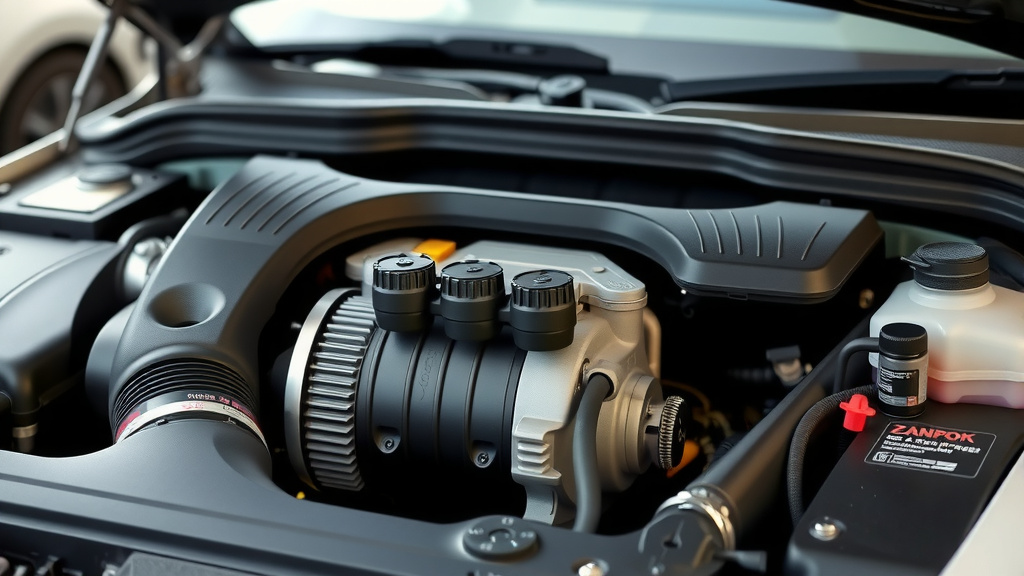
You can tell if your car’s AC compressor is bad by observing common symptoms like unusual noises, a lack of cold air, or the compressor clutch failing to engage.
A failing air compressor in your car often shows clear warning signs, making it easier to diagnose the issue before it completely breaks down.
Quick answers to spot a bad car AC compressor:
- No cold air or weak cooling from the vents.
- Loud clicking, grinding, or squealing sounds from the engine.
- The compressor clutch isn’t spinning or engaging correctly.
- Visible refrigerant leaks or oily residue near the compressor.
- Strange smells, like burning rubber, when the AC is running.
How To Know If Air Compressor Is Bad In Car?
Knowing if your car’s air compressor is bad involves listening, looking, and feeling for specific signs that point to a problem.
Early detection can save you from a hotter ride and potentially more expensive repairs down the road.
Understanding Your Car’s AC Compressor
Think of your car’s AC compressor as the heart of the air conditioning system. Its main job is to pump refrigerant, turning it into a high-pressure gas.
This process is what allows your car to produce that lovely cold air, keeping you comfortable on warm days. Without it, your AC is just a fan.
Key Signs of a Failing Compressor
When the compressor starts to struggle, it usually sends out a few clear distress signals. Paying attention to these can help you act quickly.
It’s like your car is trying to tell you, “Hey, something isn’t quite right here!”
The Dreaded Lack of Cold Air
Is your AC blowing only warm or mildly cool air? This is often the first and most obvious sign something’s wrong with the car AC compressor.
When the compressor isn’t working right, it can’t circulate refrigerant, so no cold air gets produced. You might notice it’s okay for a bit, then it gets warm.
Unusual Noises From Under the Hood
Listen closely when your AC is on. Do you hear any strange sounds? A bad compressor might make loud clicking, grinding, or squealing noises.
These sounds often mean internal parts are failing or the compressor bearings are worn out (SAE International).
Compressor Clutch Issues
The clutch on your compressor connects it to the engine’s belt system. When you turn on the AC, you should hear a distinct click as the clutch engages.
If the clutch doesn’t engage, or it cycles on and off rapidly, this points to a compressor problem or a related electrical issue.
Visible Leaks and Strange Smells
Take a peek around your compressor. Do you see any oily residue or puddles? Refrigerant contains a special oil, and leaks are a bad sign.
Sometimes, a failing compressor can also produce a burning smell, like rubber, which might mean the clutch is slipping or the unit is overheating.
Here’s a quick overview of symptoms and their likely causes:
| Symptom | What It Might Mean |
|---|---|
| No Cold Air | Compressor failure, low refrigerant, or electrical issue. |
| Loud Noises | Internal damage, worn bearings, or clutch problems. |
| Clutch Won’t Engage | Electrical fault, clutch failure, or compressor seizing. |
| Visible Leaks | Damaged seals, cracked casing, or hose connection issues. |
| Burning Smell | Overheating compressor, slipping clutch, or belt problem. |
Why Does Your Car’s AC Compressor Go Bad?
Just like any part of your car, AC compressors don’t last forever. Several factors contribute to their eventual failure.
Understanding these can sometimes help you avoid an early demise for your cooling system’s heart.
Age and Wear and Tear
Compressors simply wear out over time. Moving parts, constant operation, and exposure to engine heat take their toll.
Many experts say that an AC compressor has a typical lifespan of around 8-10 years, but this varies widely (ASE Certified Technicians).
Lack of Regular AC Maintenance
Skipping AC check-ups can shorten your compressor’s life. Low refrigerant levels, for example, force the compressor to work harder.
This extra strain can cause it to overheat or seize up sooner than it should. Regular service keeps things running smoothly.
Refrigerant Problems
Too little refrigerant means not enough lubrication for the compressor. Too much refrigerant causes excessive pressure.
Both scenarios put undue stress on the compressor, leading to premature failure or damage to internal components.
Troubleshooting Steps You Can Take
Before rushing to the mechanic, there are a few simple checks you can perform to narrow down the problem.
These steps are not replacements for a professional diagnosis, but they can help guide your next move.
Check the Compressor Clutch
With the engine running and AC turned on high, look at the compressor pulley. The center part, the clutch, should be spinning with the outer pulley.
If it’s not spinning, or if it looks wobbly, you’ve likely found a major clue (Motor Trend).
Listen for Strange Sounds
As mentioned, noises are key indicators. Pop your hood and listen specifically near the compressor when the AC is engaged.
Any grinding, rattling, or squealing is a strong signal that the compressor is struggling.
Inspect for Leaks
Use a flashlight to look for oily residue on the compressor body and surrounding hoses. This oil often comes with refrigerant leaks.
Sometimes, a bright UV dye might have been added to your system previously, making leaks glow under a UV light (NHTSA guidelines).
Here’s a quick self-check checklist:
- Is the air coming out of your vents actually cold?
- Can you hear any unusual noises when the AC is on?
- Does the compressor clutch engage and spin?
- Are there any visible oily spots or leaks around the compressor?
- Have you noticed any strange or burning smells?
When to Call a Professional
While some checks are simple, diagnosing and repairing an AC system, especially the compressor, requires specialized tools and expertise.
Refrigerant handling needs to be done carefully, as it’s a regulated substance. When in doubt, always consult a certified mechanic.
Preventative Measures for a Healthy AC System
A little care can go a long way in extending the life of your car’s AC compressor and avoiding an early trip to the repair shop.
It’s about being proactive, not reactive, when it comes to your comfort.
Regular AC Service
Have your AC system checked annually. A technician can monitor refrigerant levels, inspect hoses, and look for potential leaks.
This routine check helps catch small problems before they become big, expensive ones.
Run Your AC Occasionally
Even in winter, turn on your AC for about 10 minutes once a month. This keeps the seals lubricated and prevents them from drying out.
It helps keep the compressor parts moving and distributes the refrigerant oil.
Address Issues Promptly
If you notice any of the warning signs discussed earlier, don’t ignore them. Addressing a minor leak or a strange noise early can prevent total compressor failure.
Delaying repairs often leads to more extensive and costly damage.
Conclusion
Identifying a bad air compressor in your car doesn’t have to be a mystery. By paying attention to symptoms like lack of cold air, unusual noises, clutch issues, and visible leaks, you can often diagnose the problem yourself.
Remember, early detection and regular maintenance are your best friends for a long-lasting and effective car AC system. Don’t let a bad compressor turn your drive into a sweltering journey!
What causes a car AC compressor to suddenly stop working?
A car AC compressor can suddenly stop working due to a blown fuse, a faulty relay, an electrical short, or if the system pressure drops too low (often from a leak). Sometimes, the compressor clutch itself can fail mechanically, preventing engagement.
Can a bad AC compressor drain your car battery?
Yes, a failing AC compressor or its clutch can potentially drain your car battery. If the compressor is seizing or the clutch is struggling to engage, it might draw excessive current, especially if trying to operate constantly without success, putting strain on the electrical system.
Is it safe to drive with a bad AC compressor?
Generally, it is safe to drive with a bad AC compressor, but it depends on the exact issue. If it’s just not blowing cold air, you’ll be uncomfortable. However, if the compressor has seized, it might cause the serpentine belt to break, leading to other system failures like power steering or the alternator.
How much does it typically cost to replace a car AC compressor?
The cost to replace a car AC compressor varies widely depending on your car’s make and model, and where you get the work done. Generally, you can expect to pay anywhere from $500 to $1,500 or more, including parts and labor, as refrigerant also needs to be recharged.
Can a low refrigerant level damage the AC compressor?
Yes, a low refrigerant level can significantly damage the AC compressor. Refrigerant contains a special oil that lubricates the compressor’s internal components. Without enough refrigerant, the compressor runs dry, leading to friction, overheating, and eventual mechanical failure.
