Air Compressor vs Air Tank: Which Do You Need? (October 2026)
Choose an air compressor to make compressed air on demand, or an air tank to carry a finite supply that has already been compressed. Your tools, work time and access to a refill source determine which fits.
On this page (8 sections)
- Air compressor vs air tank: how do they differ?
- Which one should you choose for your job?
- What does an air tank do for a compressor?
- Can an air tank replace a compressor for tires?
- What should you check before buying either setup?
- Are all compressed air tanks interchangeable?
- How do you maintain a portable air tank?
- Which should you buy?
Choose an air compressor to make compressed air on demand, or an air tank to carry a finite supply that has already been compressed. The air compressor vs air tank choice depends on whether you need ongoing air production or a portable reserve for short tasks.
A compressor uses a motor and pump to produce air, then often stores it in a receiver tank. A standalone air tank stores air filled elsewhere and releases it through a valve and hose.
That distinction matters for tires, shop tools and remote work. The products below include powered portable inflators, a tank repair kit and a specialized HPA tank, each suited to a different kind of air supply.
 Best for topping up vehicle tires
EPAuto 12V DC Portable Air Compressor Pump
 Best for roadside air and jump-start needs
GOOLOO A3 12V 3000A Portable Jump Starter
Air compressor vs air tank: how do they differ?
A compressor creates air; a standalone tank stores air for later use. Some compressor setups include both parts, which is why “air compressor tank” can refer to the receiver attached to the machine.
A compressor can keep producing air while powered, subject to its output and duty limits. Its tank provides a reserve between pump cycles, but the receiver does not replace the pump.
A carry tank has no pump. Fill it from a compressor or another suitable source, then take it where you need air; once its pressure falls, you need another refill.
The Hromee kit is for replacing a portable tank's assembly, including a gauge, hose and safety bypass valve. It is not itself an air tank or an air compressor.
Which one should you choose for your job?
Choose a compressor for repeated or sustained air use, and a carry tank for short jobs away from a compressor. Match the setup to the tool's air demand and how long you need to work.
A compressor is the practical choice for a workshop where tools need repeated bursts or a steady supply. Check the tool's required pressure and airflow, then compare those needs with the compressor's delivered output.
A carry tank can suit a brief inflation task or a remote location where you can fill it beforehand. Its advantage is a ready supply you can move, while its limit is that the supply runs down.
For topping up supported vehicle tires, a portable powered inflator can be more direct than hauling a separate tank. The EPAuto pump plugs into a 12V vehicle socket and has automatic shutoff at the selected pressure.
If you need both roadside inflation and jump-start capability, the GOOLOO A3 combines a cordless inflator with a jump starter. It makes compressed air for inflation rather than storing a separate reserve tank.
What does an air tank do for a compressor?
A compressor receiver holds a reserve that can cover brief demand spikes, but it does not increase the pump's air output. The compressor still has to keep up with a tool during longer use.
A larger receiver can provide more stored air before pressure drops to the point that the pump restarts. For a permanent shop with higher reserve needs, compare 80 gallon air compressors.
It may be useful when a tool draws air in short bursts, but a larger tank also takes up more space and can add weight. For a large stationary shop, compare vertical 120 gallon air compressors.
If a tool runs continuously, compare its airflow requirement with the compressor's delivered airflow. More tank volume may delay a pressure drop, but it cannot make an undersized pump produce more air over time.
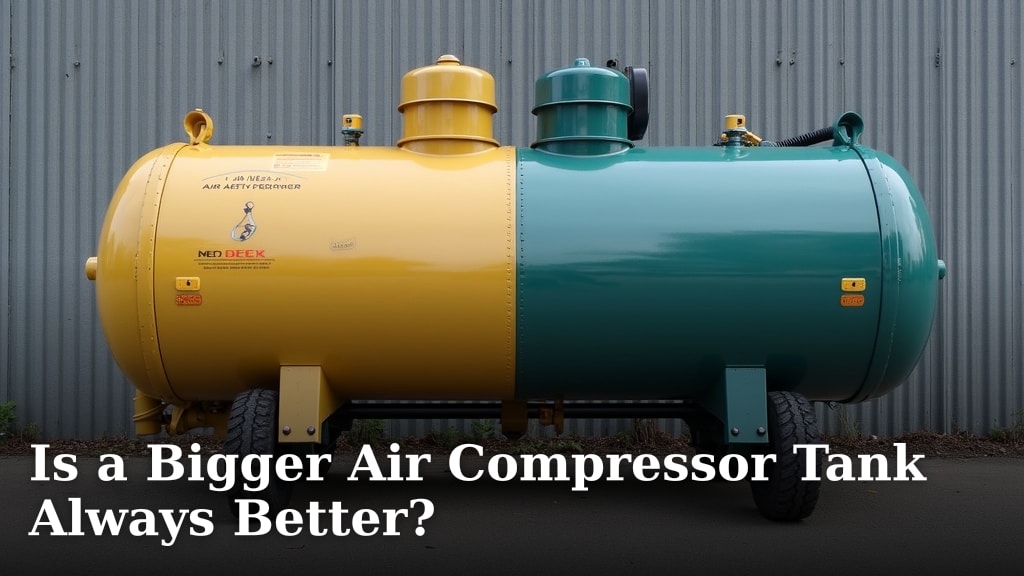
See whether a bigger air compressor tank is always better for the tradeoffs. For small portable compressors, the best 1 gallon air compressor options show the kind of compact setup that favors portability over a large reserve.
Can an air tank replace a compressor for tires?
A filled tank can inflate tires for a limited number of uses, while a powered inflator can keep making air as long as it has power and can handle the task. The better choice depends on where you work and how many tires you need to fill.
A carry tank is convenient if you already have access to a compressor to fill it. For frequent tire top-ups, a portable inflator removes the refill step, though its power source and supported tire types still matter.
The EPAuto unit is designed for car, bike, sedan and midsize SUV tires, and it does not support truck tires. It connects to a vehicle's 12V cigarette lighter socket, so it needs that power source during use.
The GOOLOO A3 offers cordless inflation with a stated maximum pressure of 150 psi and airflow of 35 L/min. GOOLOO says a full charge provides up to 45 minutes of continuous inflation, so plan around the task and recharge it as directed.
What should you check before buying either setup?
Check pressure, airflow, connection fit and the length of the job before choosing. A pressure number alone does not tell you whether the air supply can keep a tool running.
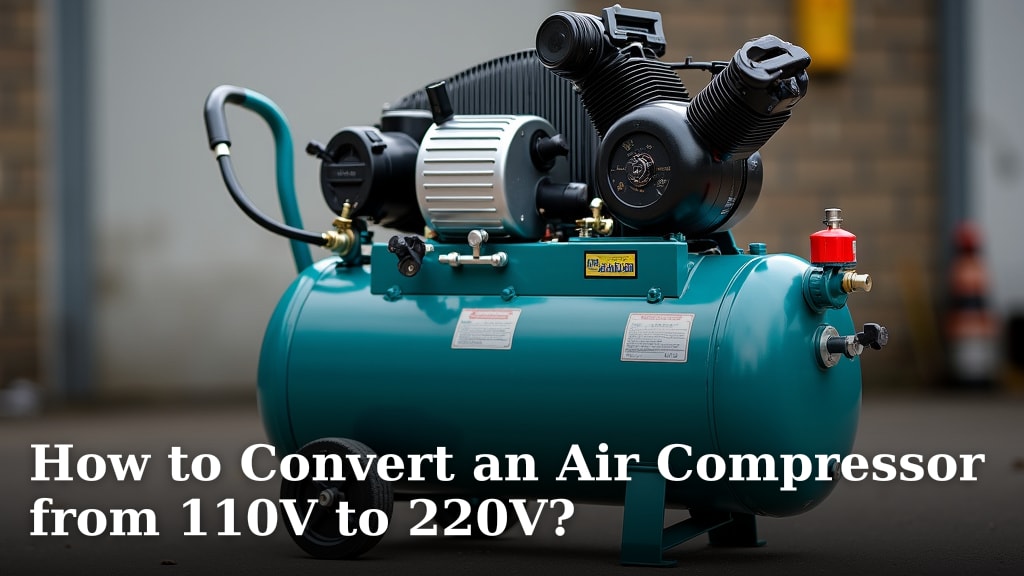
For a compressor, compare the delivered airflow at the pressure your tool needs. If you are considering a 30 gallon model, check its voltage and power requirements before planning the setup.
For a fixed installation, learn why compressors may need fused disconnects.
Then consider how often the tool runs, whether your power source suits the compressor, and whether the tank and pump fit your workspace.
For a standalone tank, check its working pressure, valve, hose, outlet fittings and refill source. Confirm the tank is intended for the application, and follow its instructions for inspection and safe use.
If you are choosing a small tank for brief tasks, what a 2 gallon air compressor can do helps set expectations for compact capacity. A small compressor still produces air; a standalone tank only carries what has already been filled.
Are all compressed air tanks interchangeable?
No. Tanks are built for specific pressures, fittings and uses, so use one only with compatible equipment.
A paintball HPA tank, portable carry tank and compressor receiver serve different roles.
The HK Army tank is a refillable HPA tank for standard paintball markers and HPA-equipped airsoft guns. It is shipped empty, has a 48 cubic inch capacity and a 3000 psi tank pressure, with an 850 psi regulator output.
That is a specialized supply, not a general air tank for tires or workshop tools. Use the proper fill source and follow the tank's stated inspection and re-test guidance.
Portable carry tanks may use different threaded connections and hose arrangements. The Hromee repair kit includes a 0–200 psi gauge and 4 ft hose, but its listed connection sizes must match the tank you're repairing.
How do you maintain a portable air tank?
Inspect the tank and its fittings, keep the pressure gauge readable, and replace worn or damaged parts with compatible components. Follow the tank maker's instructions for draining, storage and inspection.
The Hromee kit includes a brass manifold, safety bypass valve, gauge and hose assembly for portable tank repair. Check the tank's thread sizes and pressure requirements before choosing replacement parts.
Tank condition matters because compressed air is stored energy. Do not use a tank with visible damage, corrosion or a faulty valve, and do not exceed its rated pressure.
Material, construction and care can affect how a tank suits its use. Learn what air compressor tanks are made of and whether air compressor tanks expire before relying on an older tank.
Which should you buy?
Pick a compressor if you need air repeatedly or for longer jobs; pick a filled carry tank if you need a portable, finite reserve. For occasional tire top-ups, a powered inflator may be the simplest fit.
For a workshop, start with the tool's airflow and pressure needs, then select a compressor that can supply them. Use tank size to fine-tune the stored reserve, not as a substitute for enough pump output.
For roadside inflation, choose a portable unit that fits your tire type and power needs. For battery-powered air with stored capacity, compare cordless air compressors with tanks.
For paintball or airsoft, use a purpose-built HPA tank, not a general carry tank.
The key distinction is simple: a compressor makes air, while a standalone tank carries air. Choose the source that fits the work, then verify that its fittings and pressure match the equipment.
Frequently asked questions
Can an air tank work without a compressor?
Yes, if the tank is already filled, it can supply stored compressed air without a compressor running beside it. The supply is finite, so it must be refilled when pressure or usable air runs low.
Check the tank and tool requirements before connecting them.
Does a bigger air tank make a compressor stronger?
A bigger tank stores more air, but it does not increase the compressor's air-making rate. It may help cover short bursts or reduce how often a compressor cycles, while a tool that needs more airflow than the compressor can produce will still outlast the supply.
Can a portable air tank inflate car tires?
A portable tank can inflate tires if its outlet, hose and chuck fit the job and its pressure is suitable. It holds only a limited supply, so repeated top-ups can require refilling.
A powered tire inflator makes air while connected to its power source.
Is an air tank the same as an air compressor tank?
No. An air tank can mean a standalone carry tank that stores compressed air, while an air compressor tank is usually the receiver connected to a compressor.
Both store air, but only the compressor makes more air as it runs.
How do I choose a tank size?
Choose tank capacity based on the tool's air demand, how long you use it between refills, and how quickly you can recharge the supply. A tank only stores air, so it cannot make up for a compressor that lacks the required airflow over a sustained job.
See what size compressor tank you need for sizing factors.