Air Compressor vs Tire Inflator: Which Should You Choose? (October 2026)
Choose a tire inflator for routine tire top-offs and a shop air compressor if you also need to run pneumatic tools. The right air compressor vs inflator choice depends on what you plan to power and where you'll use it.
On this page (6 sections)
Choose a tire inflator for routine tire top-offs and a shop air compressor if you also need to run pneumatic tools. The air compressor vs inflator decision comes down to your other air-powered jobs, power access and how portable the setup needs to be.
A tire inflator focuses on adding air to tires and similar items. A shop compressor can cover inflation too, but the right model may also supply air tools when its airflow and pressure meet their needs.
These categories can overlap. Some portable inflators are marketed as compressors, so compare the intended use, power options and tool requirements instead of relying on the name alone.
 Best for occasional car top-offs
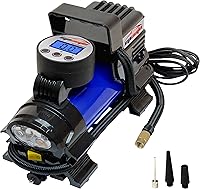
EPAuto 12V DC Portable Air Compressor Pump
 Best for combined roadside needs
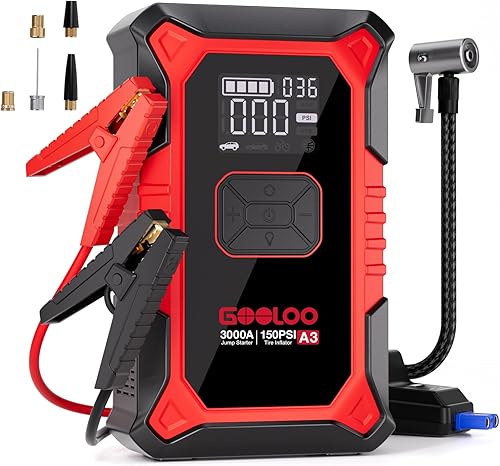
GOOLOO A3 12V 3000A Portable Jump Starter
Air compressor vs inflator: what is the difference?
A tire inflator is for filling tires; a shop compressor can also run compatible pneumatic tools. The compressor's capacity and airflow determine whether it can handle more than short inflation jobs.
Inflators are often built around portability, a hose and a way to set or read tire pressure. Some also include auto shutoff, which stops inflation at a target pressure.
A shop compressor stores compressed air in a tank or supplies it directly, depending on its design. It can run tools such as nailers, impact wrenches or spray guns only when its pressure and airflow meet the tools' needs.
The word “compressor” in an inflator's name does not mean it's ready for a workshop tool. Match the equipment to the job and check the tool's air consumption before connecting it.
When is a tire inflator the better choice?
Pick a tire inflator when you mainly need to maintain vehicle tire pressure or fill small inflatables. It usually takes less planning than choosing a compressor for a whole garage.
A 12V model can run from a vehicle socket, while battery models can work without a cord nearby. Decide whether you need the unit for roadside use, home tire checks or both.
The EPAuto is a 12V DC option for car, bike, sedan and midsize SUV tires. It has automatic shutoff, a four-unit display and a flashlight, but it does not support truck tires.
The GOOLOO A3 combines a cordless tire inflator with a jump starter and other roadside functions. Consider it if you want those tasks together and can keep the unit charged.
If power flexibility matters, the DEWALT can run from a 20V battery, 12V DC or 110V AC. It also has high-volume inflation and deflation modes for large inflatables, with its battery, charger and AC power adapter sold separately.
For a portable compressor form suited to handheld jobs, see our Best Handheld Air Compressor guide. If you need a vehicle-mounted setup, compare the options in Best Onboard Air Compressors.
When should you buy a shop air compressor?
Choose a shop compressor when you want one air source for tires and pneumatic tools. Before buying, compare the tools' pressure and airflow needs with the compressor's output.
A nailer may use air in short bursts, while a spray gun or other air tool may need a steadier supply. Tank size can affect how often a compressor cycles, but it does not replace checking airflow at the required pressure.
For an intermediate tank option, see 15 gallon compressor sizing.
If you only plan to inflate tires, a shop compressor may take up more space and require a suitable power connection without adding much value. If you expect to use several tools, it can be a better base for the workshop.
A 60 gallon shop compressor may suit a fixed setup when its airflow and power needs match.
Our guide to choosing an air compressor for your shop explains how to match compressor capacity and output to your tools. For a design without a storage tank, read what a tankless air compressor is.
Does portability or power matter more?
Choose by where you'll use the equipment and which power sources are available there. A portable unit that matches your use is more useful than a larger machine you can't conveniently reach.
The EPAuto runs from a 12V vehicle socket. The GOOLOO is cordless for inflation, and the DEWALT accepts three power sources, though some required power accessories are sold separately.
If you’re considering a shop model, check 30 gallon compressor power requirements.
The Milwaukee M18 inflator is a battery-powered option optimized for passenger, light truck and other medium-duty tires. It reaches up to 150 PSI and includes a Schrader chuck, inflation needle, nozzle and Presta chuck.
For a vehicle setup, compare a Best 12V Air Compressor with an onboard system. For tire pressure checks and controlled filling from a compressor, a Best Tire Inflator Gauge for an Air Compressor can help you choose a separate gauge and chuck.
What should you compare before choosing?
Start with the job, then check pressure, airflow, power and connection type. A maximum PSI figure alone does not tell you whether a unit can keep up with a tool.
Use this quick comparison:
| Need | Tire inflator | Shop air compressor |
|---|---|---|
| Occasional tire top-offs | Usually the direct fit | Can work with a suitable tire chuck |
| Roadside portability | Often designed for it | Depends on the compressor and power source |
| Pneumatic tools | Usually not the intended use | Possible when output meets tool requirements |
| Larger inflatables | Some models include high-volume modes | Depends on the compressor and accessories |
| Multiple workshop jobs | Limited to the features included | Can supply different tools with compatible fittings |
Check the recommended tire pressure on the vehicle placard or in its manual. Use a gauge to confirm pressure, and do not inflate to the maximum printed on the tire sidewall unless the vehicle maker specifies that value.
For tools, look at required pressure and air consumption, often shown as airflow at a stated pressure. Then account for the compressor's output under those conditions and the way you plan to use the tool.
Which option fits your situation?
Choose an inflator for tires and portable inflation; choose a shop compressor when your work also needs pneumatic tools. If you need both, a shop compressor with a tire chuck can handle tires, while a portable inflator can serve as a separate vehicle kit.
For occasional car top-offs, favor a portable inflator with a readable gauge and a power source that fits your routine. For a home garage with nailers, ratchets or spray equipment, size a compressor around the tools you will actually use.
If you're still weighing an air compressor vs inflator, choose by the next job after tires: pick an inflator if there isn't one, and use our shop compressor selection guide if there is.
Frequently asked questions
Is an air compressor the same as a tire inflator?
A tire inflator is designed mainly to add air to tires and similar items. An air compressor can also serve that purpose, and a suitable compressor may power pneumatic tools.
Check the compressor's pressure and airflow against the tool's requirements before connecting them.
Can a tire inflator run air tools?
Portable tire inflators are generally designed for inflation, not sustained air-tool use. A tool needs a compatible pressure and enough airflow while it runs, so a pressure rating alone doesn't show that an inflator can keep up.
Check the tool and compressor specifications before buying.
Should I buy a portable inflator or shop compressor?
Choose a portable inflator for occasional tire pressure checks away from the garage. Choose a shop compressor if you also plan to power pneumatic tools or handle repeated air tasks at a workbench.
Consider the required airflow, power source, storage space and duty needs for your specific work.
Can an air compressor inflate tires?
Yes, an air compressor can inflate tires when it has a suitable pressure range and a compatible hose and tire chuck. Use a tire gauge to check pressure and follow the vehicle maker's recommended pressure.
Stop at that target rather than relying on a compressor's maximum pressure.