
Can You Run Air Tools Continuously on a Small Compressor?
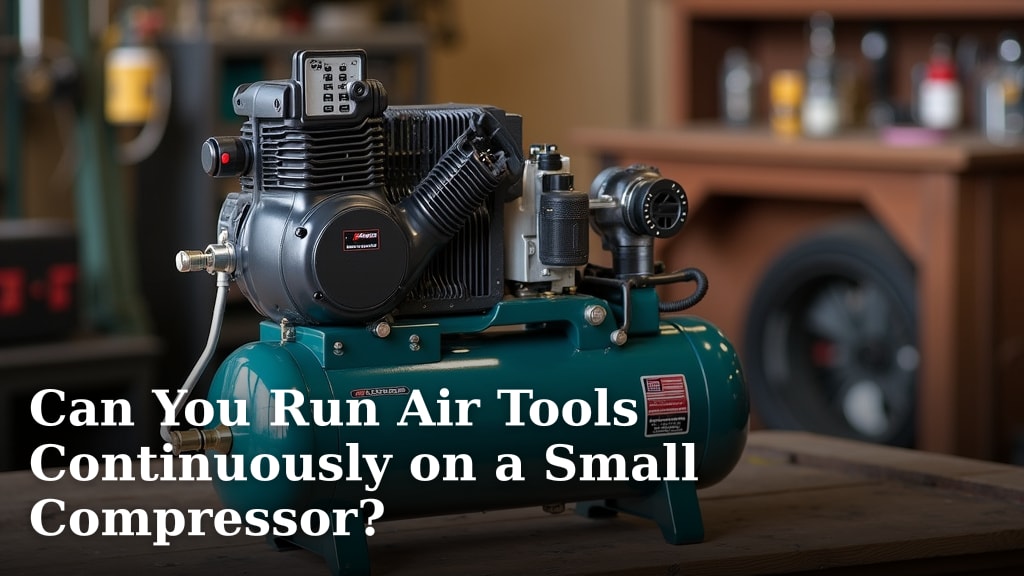
No, you generally cannot run air tools continuously on a small air compressor without interruptions. Small compressors often struggle to keep up with the demand, leading to downtime as they refill their tanks. You’ll likely experience a drop in pressure, which can make your tools less effective or stop them altogether if you’re using them heavily. It’s a common challenge for DIYers and hobbyists. Understanding your compressor’s duty cycle is key to managing expectations.
This means projects requiring sustained airflow, like painting or using impact wrenches for extended periods, can become frustratingly slow. Understanding your compressor’s duty cycle and your tools’ air consumption is key to managing expectations. Knowing these limits helps you work smarter, not harder, preventing you from burning out your compressor.
- Small compressors usually can’t power tools continuously.
- You’ll face pressure drops and refill breaks.
- Heavy-use tools are particularly problematic.
- Knowing tool and compressor limits is important.
Let’s look at what you can realistically expect and how to make the most of your small compressor setup.
Understanding Your Small Air Compressor’s Limits
So, you’ve got a project that needs air power, and you’re wondering if your small compressor can keep up. The honest answer is usually no, not for continuous use. Think of your small compressor like a hummingbird. It’s energetic, but it needs to rest between sips of nectar. Similarly, small compressors need breaks to refill their air tanks.
This is largely due to something called the duty cycle. It’s a rating that tells you how long a compressor can run within a 10-minute period without overheating. For most small, portable compressors, this is often around 50% or less. This means if your compressor has a 50% duty cycle, it can only run for about 5 minutes out of every 10.
What is a Duty Cycle, Anyway?
The duty cycle is a critical specification. It’s usually expressed as a percentage. A higher percentage means the compressor can run for longer periods. A low duty cycle, common in smaller units, means you’ll have frequent stops and starts.
For example, a compressor with a 75% duty cycle could run for 7.5 minutes out of 10. One with a 100% duty cycle, like many larger stationary models, can run non-stop. Small compressors are designed for intermittent use, not marathon sessions. Pushing them beyond their limit can lead to overheating and reduce their lifespan.
Air Consumption: What Your Tools Demand
Every air tool has an air consumption rate. This is usually measured in Cubic Feet per Minute (CFM) or Standard Cubic Feet per Minute (SCFM). Your compressor needs to be able to supply at least the CFM rating of the tool you’re using. If it can’t, you’re going to have problems.
Tools like impact wrenches, sanders, and spray guns are air-hungry. They consume a lot of air quickly. A small compressor might be rated for 4 CFM, but if your impact wrench needs 7 CFM, you’re already in a deficit.
Matching Tools to Compressor Output
Let’s look at some common tools and their typical air needs. This will help you see where the bottlenecks occur:
| Air Tool | Typical CFM Required | Suitability for Small Compressors |
|---|---|---|
| Brad Nailer | 0.5 – 1.5 CFM | Good to Excellent |
| Stapler | 1.0 – 2.0 CFM | Good |
| Blow Gun | 2.0 – 5.0 CFM | Limited; needs breaks |
| Orbital Sander | 8.0 – 12.0 CFM | Poor; requires large compressor |
| Spray Gun (HVLP) | 5.0 – 10.0 CFM | Poor; requires large compressor |
| Impact Wrench | 4.0 – 8.0 CFM | Limited; needs breaks |
| Die Grinder | 4.0 – 6.0 CFM | Limited; needs breaks |
As you can see, low-demand tools like nailers are usually fine. They use short bursts of air. Tools that need a constant flow, like sanders or spray guns, are a different story. They will quickly drain your compressor’s tank.
Why Small Compressors Struggle with Continuous Use
The primary reason is the tank size and motor power. Small compressors often have smaller tanks and less powerful motors. This combination means they can’t store much compressed air and can’t replenish it quickly enough.
The Tank: Your Air Reservoir
The air tank acts as a buffer. When your tool uses air, the compressor pulls air from the tank. If the tool uses air faster than the compressor can make it, the tank pressure drops. A larger tank can provide air for a bit longer before the pressure becomes too low.
Think of it like a water bottle. A small bottle empties quickly. A big jug lasts much longer. For tools that need sustained airflow, a small tank is just not enough. You’ll be waiting for refills more often than you’ll be working.
Motor Overheating: The Silent Killer
When you run a compressor past its duty cycle, the motor works harder and longer. This generates more heat. Most small compressors have air-cooled motors. If they get too hot, they can suffer damage or even burn out. Manufacturers set duty cycles to prevent this.
Ignoring the duty cycle is like asking a marathon runner to sprint the whole race. It’s not what they’re built for. They’ll eventually collapse. Your compressor can, too.
Strategies for Using Your Small Compressor Effectively
While continuous use might be out, you can still get a lot done. It’s all about managing your workflow and understanding your equipment’s capabilities.
Work in Bursts and Take Breaks
This is the most straightforward approach. If your tool requires more air than your compressor can supply continuously, break your work into smaller segments. Use the compressor’s refill time to rest, plan your next step, or do a different task that doesn’t require air.
For example, if you’re painting, you might spray for a few minutes, then let the compressor catch up. This sounds slow, but it’s often the only way with smaller units. Many experts suggest this method to preserve your compressor’s health (DeWalt, Porter-Cable, etc. often include this in their manuals).
Consider Your Project’s Air Needs
Be realistic about what your compressor can handle. If you’re building a deck and need to use an impact wrench all day, a small compressor is the wrong tool for the job. You’ll likely frustrate yourself. It’s better to rent or borrow a larger unit for such tasks.
However, if you’re assembling furniture with a brad nailer or doing light touch-up painting, your small compressor might be perfectly adequate. The key is matching the tool and task to the equipment.
Boost Your Compressor’s Performance (Slightly)
There are a few things you can do to help your small compressor work a little more efficiently. While they won’t allow for truly continuous operation, they can reduce downtime.
Cooler Ambient Temperatures
Compressors work better in cooler environments. Heat makes it harder for the motor to dissipate its own heat. Running your compressor in a cool garage or outdoors on a pleasant day can make a difference.
Regular Maintenance
Ensure your compressor is well-maintained. This includes checking and cleaning air filters, draining the tank regularly to prevent rust, and ensuring oil levels are correct (if it’s an oiled model). Clean filters allow the compressor to breathe easier.
A dirty air filter is like a person trying to breathe through a thick blanket. It makes the motor work much harder. Keeping things clean ensures your compressor runs as efficiently as it was designed to.
Using a Larger Receiver Tank (Advanced)
Some users connect an auxiliary air receiver tank to their small compressor. This larger tank acts as a bigger buffer. Your compressor will still cycle on and off, but the larger tank can supply air for longer periods between cycles.
This doesn’t increase the compressor’s CFM output or duty cycle, but it allows you to draw more air from the reservoir before pressure drops significantly. It’s a way to extend your run time, though it requires some DIY effort and additional equipment.
When to Upgrade Your Air Compressor
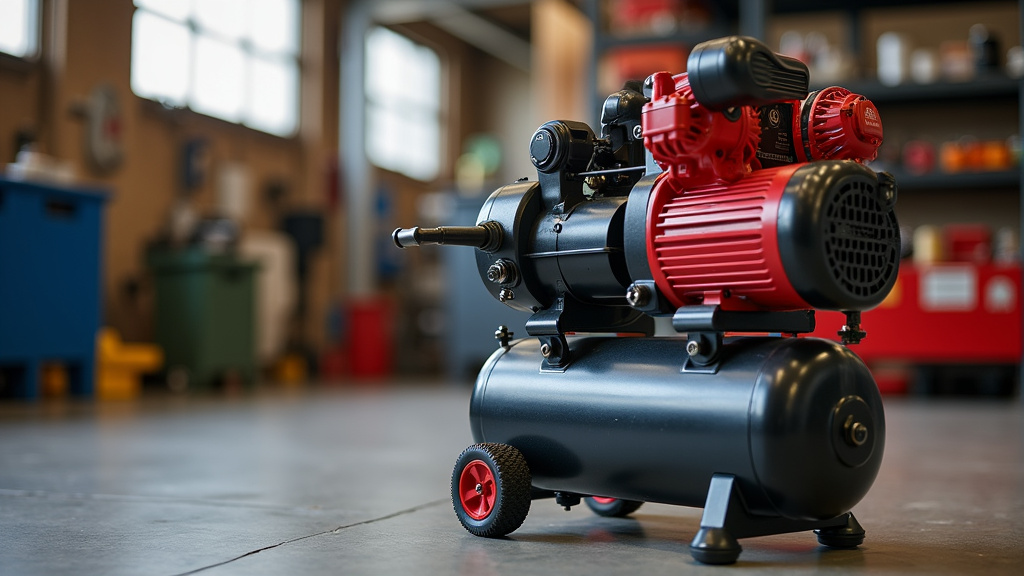
If you find yourself constantly waiting for your compressor, or if your projects demand more air than it can provide, it might be time to consider an upgrade. Larger compressors offer higher CFM ratings and better duty cycles, allowing for more demanding tasks.
Think about the tools you use most often and their CFM requirements. If your tools consistently exceed your current compressor’s output, investing in a larger unit will save you a lot of time and frustration. It’s an investment that pays off in efficiency and project completion.
Here’s a quick checklist to help you decide if it’s time for a bigger compressor:
- You frequently exceed your compressor’s duty cycle.
- Your tools lose power midway through a task.
- You’re waiting for the compressor more than you’re working.
- You have projects requiring high-CFM tools (sanders, paint sprayers).
- Your current compressor is old and struggling to keep up.
- You’re losing patience and project momentum regularly.
Conclusion
So, can you run air tools continuously on a small compressor? The short answer is usually no. You’ve learned that small compressors have limitations due to their duty cycle and tank size, making them best for intermittent use. Tools with high CFM demands will quickly outpace your compressor’s ability to keep up, leading to frustrating pressure drops. By understanding your tools’ air needs and your compressor’s limits, you can work smarter. For demanding jobs, consider a larger unit or plan your workflow around your current compressor’s capabilities. This knowledge will help you avoid burnout—both for your compressor and for yourself.
Frequently Asked Questions
Will a small air compressor damage my tools if it can’t keep up?
A small compressor won’t typically damage your tools directly. However, when the air pressure drops too low, your tools may not function correctly. This can lead to inconsistent performance, making it harder to complete tasks efficiently.
How can I tell if my compressor is overheating?
You might notice a burning smell, or the compressor may stop running automatically. Many small compressors have thermal overload protection that will shut them down to prevent damage when they get too hot. Always allow it to cool completely before restarting.
Is it okay to run my small compressor for 10 minutes straight?
It depends entirely on your compressor’s duty cycle. If it has a 50% duty cycle, running it for 10 minutes straight would exceed its limit. You should aim to run it for no more than 5 minutes within any 10-minute period to stay within its operational guidelines.
Can I use a small compressor for painting with an HVLP sprayer?
Generally, no. HVLP sprayers require a consistent and high volume of air (CFM). Small compressors typically cannot meet these demands continuously, leading to uneven paint application and frequent stops. You’d need a much larger compressor for this task.
What’s the best way to use a small compressor for nailing projects?
Nailers use air in short bursts, which is ideal for small compressors. You can often use a brad nailer or finish nailer without significant issues. Simply keep an eye on the pressure gauge and take short breaks if needed to allow the compressor to catch up between nailing sessions.
