
How to Fix an Air Compressor That Runs Constantly?
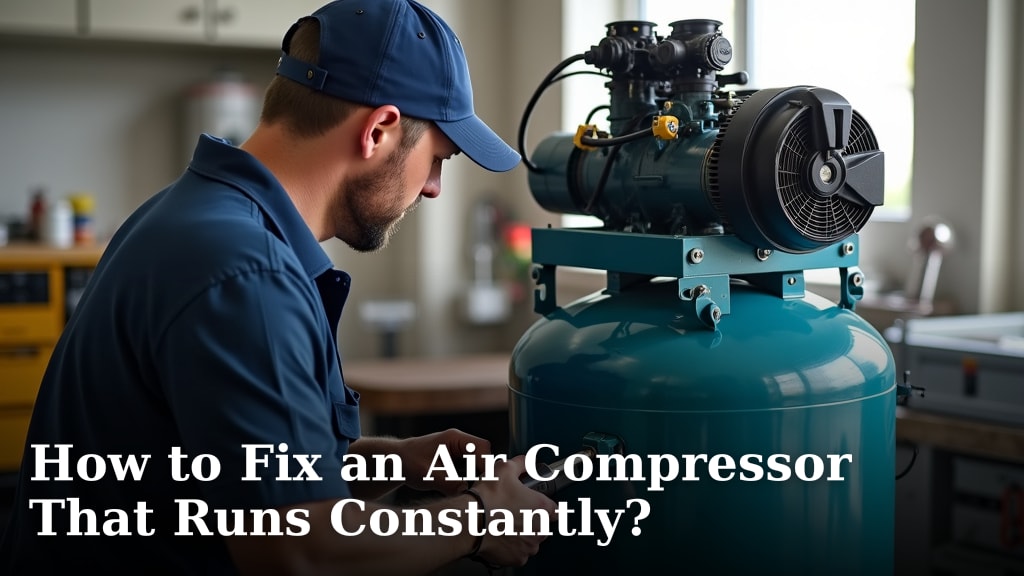
To fix an air compressor that runs constantly, you will most likely need to replace a faulty pressure switch or fix a leak. This problem means your compressor struggles to build enough pressure, or it loses pressure too quickly. Ignoring it can damage your unit and waste electricity.
A constantly running air compressor is a common issue for many workshops and garages. It often points to a few key components needing attention. We found that most people can diagnose and fix these problems themselves with basic tools. You want your compressor to run efficiently, right?
- Check for air leaks.
- Inspect the pressure switch.
- Examine the unloader valve.
- Look at the check valve.
Let’s walk through exactly how to troubleshoot these issues and get your air compressor working correctly again. We’ll show you what to look for, step by step.
Troubleshooting a Constantly Running Air Compressor
You’ve got a compressor that just won’t quit, humming away tirelessly. This usually means it’s working overtime to maintain pressure, or it’s losing air somewhere. Let’s get to the bottom of it and save you some money on your electricity bill!
Safety First: Before You Start
Working with machinery can be risky. Air compressors involve high pressure and electricity. You want to stay safe, right?
- Unplug your compressor from the power source. Seriously, don’t skip this.
- Bleed any remaining air from the tank. You can usually do this by opening the drain valve at the bottom.
- Wear safety glasses. Small parts can fly.
- Gather your tools: you’ll likely need basic wrenches, screwdrivers, and soapy water in a spray bottle.
Once you’ve taken these precautions, you’re ready to start diagnosing the problem. We found that most issues are fairly straightforward to identify.
Diagnosing the Problem: Where’s the Leak?
Most of the time, a constantly running compressor is chasing a leak. Think of it like trying to fill a bucket with a hole in it. The compressor keeps pumping, but the pressure never builds enough or holds. We found that air leaks are the most common culprit (U.S. Department of Energy).
Checking for Air Leaks
This is usually the first and easiest step. A small leak can make a big difference. You’d be surprised where air can sneak out.
The Soapy Water Test
This is your best friend for finding leaks. It’s simple, effective, and uses materials you probably already have.
- Mix a good amount of dish soap with water in a spray bottle. Make it nice and sudsy.
- With the compressor plugged in and running (but safely, don’t stand too close!), spray all connection points. Focus on fittings, hoses, the pressure switch, and any seams on the tank.
- Watch for bubbles. If you see foam or bubbles forming, you’ve found a leak! The bigger the bubbles, the bigger the leak.
- Once you find a leak, unplug the compressor again and address the issue. Tighten fittings, replace worn hoses, or use pipe sealant tape (Teflon tape) on threaded connections.
Don’t forget the drain valve at the bottom of the tank. Sometimes, it doesn’t seal properly. We’ve seen many constant run situations fixed just by tightening or replacing this simple part.
Inspecting the Pressure Switch
The pressure switch is like the brain of your compressor. It tells the motor when to start and stop based on the air pressure in the tank. If it’s faulty, your compressor might never get the “stop” signal.
Understanding Pressure Switch Function
Your pressure switch has two main settings: a cut-in pressure (when it starts) and a cut-out pressure (when it stops). A healthy switch maintains a specific pressure range. For example, it might turn on at 90 PSI and off at 120 PSI.
When your compressor runs constantly, the switch might not be sensing the correct pressure. Or, it could be physically stuck in the “on” position. We found that worn-out contacts inside the switch are a common cause of this problem.
Troubleshooting the Pressure Switch
You can do a few things to check if the switch is the issue.
- Listen for the “click.” When the compressor reaches its maximum pressure, you should hear a distinct click as the switch disengages. If you don’t hear it, the switch might be bad.
- Check for external damage. Look for cracks, corrosion, or loose wires around the switch.
- Test for internal leaks. Spray soapy water around the base of the pressure switch where it connects to the tank. Leaks here are common and can prevent proper pressure buildup.
If you suspect the pressure switch is bad, replacing it is usually the most reliable fix. It’s often easier than trying to repair internal components.
Examining the Unloader Valve
The unloader valve is a small but important component. Its job is to release a puff of air when the compressor stops. This makes it easier for the motor to restart without working against full tank pressure. If it’s stuck open, it’s like having a constant, small leak.
How to Check the Unloader Valve
This is another component you can test with your ears. You’re looking for specific sounds, or the lack thereof.
- Turn off your compressor after it reaches its cut-out pressure (if it ever does!).
- Listen closely. You should hear a short, sharp hiss of air (lasting only a second or two) as the compressor shuts down. This is the unloader valve working correctly.
- If you hear a continuous hiss, or no hiss at all, your unloader valve might be stuck open or faulty.
A stuck-open unloader valve means your compressor is constantly trying to build pressure, but a small amount is always escaping. This causes it to run much longer than it should. We found that dirt and debris can often cause these valves to stick (Compressed Air and Gas Institute).
You can sometimes clean an unloader valve, but replacement is often simpler and more effective if it’s truly faulty.

Inspecting the Check Valve
The check valve is another crucial component. It allows air to flow from the pump into the tank but prevents it from flowing back out. If this valve fails, air can leak back into the pump, leading to a constant loss of tank pressure. This forces your compressor to run non-stop. A constant loss of tank pressure can also be a symptom of an air compressor that won’t build pressure at all.
Signs of a Faulty Check Valve
There are some clear indicators that your check valve might be the problem. You just need to know what to look for.
- Air leaking from the unloader tube. If you hear or feel air continuously escaping from the unloader tube (the small tube leading from the pump to the pressure switch) even when the compressor is off and has some pressure in the tank, the check valve is likely failing.
- Compressor struggles to restart. If your compressor motor groans or struggles significantly when trying to restart, especially if it just shut off, it could be trying to start against full tank pressure because the check valve isn’t holding.
Testing the check valve often involves removing it and checking its internal mechanism. You should see a small disc or flapper that only moves one way. If it’s stuck open, corroded, or doesn’t seal properly, it needs to be replaced. This is a common wear item, we found.
When All Else Fails: Professional Help
You’ve checked all the usual suspects: leaks, pressure switch, unloader valve, and check valve. What if your compressor is still running constantly?
It might be time to call in a professional. Some problems, like a worn-out pump or motor issues, require specialized knowledge and tools. Don’t be afraid to ask for help; sometimes, it saves you money in the long run. Many local repair shops specialize in air compressor service.
Quick Troubleshooting Checklist
Use this quick list as you work through the steps. It’s a handy reminder of what to look for.
- Is the power disconnected before beginning work?
- Have you thoroughly checked all connections for air leaks with soapy water?
- Does the pressure switch “click” on and off at the correct pressures?
- Does the unloader valve make a short “hiss” when the compressor stops?
- Is there any continuous air leaking from the unloader tube when the compressor is off?
- Are all drain valves tightly closed and not leaking?
By systematically going through these steps, you’ll likely pinpoint the issue. You want your compressor to work for you, not against you!
Conclusion
Finding why your air compressor runs constantly might seem daunting, but it’s often a straightforward fix. We’ve walked you through checking for leaks, inspecting the pressure switch, and examining the unloader and check valves. You now have the knowledge to troubleshoot these common issues yourself.
By taking a systematic approach, you can pinpoint the problem and restore your compressor’s efficiency. You’ll save money on electricity and prolong your unit’s life. Don’t let a constantly running compressor slow you down; take action, and get your workshop humming properly again!
Frequently Asked Questions
How can I prevent my air compressor from running constantly in the future?
Regular maintenance is key. We found that routinely checking for leaks, draining the tank to prevent rust, and cleaning air filters can significantly extend the life and efficiency of your compressor. Always inspect hoses and fittings for wear and tear.
Is it dangerous if my air compressor runs all the time?
Yes, it can be. A constantly running compressor wastes electricity and can cause the motor to overheat, leading to premature failure. We also found it can put undue stress on other components, potentially creating a safety hazard over time.
Can a dirty air filter cause an air compressor to run more often?
While not a direct cause of constant running, a dirty air filter can reduce efficiency. It makes the compressor work harder to draw air, leading to longer run times to reach the desired pressure. We recommend checking and cleaning your filter regularly.
How much does it cost to replace a pressure switch or check valve?
The cost varies by model and brand, but pressure switches and check valves are generally affordable parts. You can often find them for $20-$100, plus the cost of your time if you DIY. We found that professional installation will add labor costs.
My compressor runs constantly, but it still builds pressure. What could be wrong?
If it builds pressure but never cycles off, the pressure switch is the most likely culprit. It might be stuck in the “on” position or its contacts could be fused. You should inspect or replace the pressure switch to resolve this issue.
