
How to Fix an Air Compressor That Won’t Stop Running?
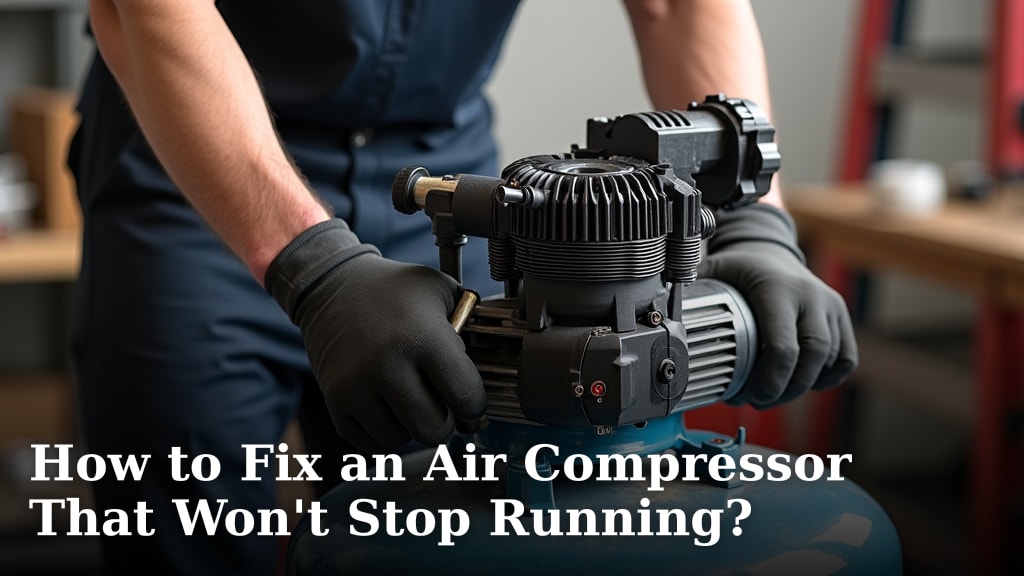
To fix an air compressor that won’t stop running, you should first check the pressure switch. This part often causes the issue. Adjusting or replacing a faulty pressure switch is usually the quickest solution for an air compressor continuously running.
An air compressor that keeps running can mean a few things are wrong. It might be a leak in the air lines, a bad check valve, or even a problem with the motor itself. Catching these issues early can save you money and keep your tools working.
- Check the pressure switch first.
- Look for air leaks in hoses and fittings.
- Inspect the check valve for proper sealing.
- Consider potential motor or relay problems.
- Safety is key; always unplug the unit.
Let’s walk through these steps together, so you can get your air compressor back to normal operation.
Diagnosing Your Air Compressor’s Non-Stop Operation
When your air compressor runs constantly, it’s telling you something’s not quite right. Pinpointing the cause is the first step to getting it back to normal. We’ll walk through the most common culprits.
Understanding Your Air Compressor’s Pressure System
Your air compressor has a simple job: compress air until it reaches a certain pressure, then stop. When the pressure drops, it kicks back on. This cycle is controlled by a few key components. If any of these fail, your compressor might never shut off.
The Role of the Pressure Switch
Think of the pressure switch as the compressor’s brain. It senses the air pressure in the tank. When the pressure hits its high limit, the switch tells the motor to turn off. When it drops to the low limit, it signals the motor to start. A faulty pressure switch is often the main reason an air compressor keeps running (U.S. Department of Energy).
- It has an “on” and “off” setting.
- It tells the motor when to start and stop.
- A common failure point is the internal contacts.
How Air Leaks Affect Operation
Imagine trying to fill a bucket with a hole in it. You’d have to keep pouring water, right? An air leak is similar. If air is escaping from your tank or lines, the pressure will never build up enough to trigger the pressure switch. Your compressor will keep running indefinitely, trying to reach a pressure it can’t achieve.
Step-by-Step Troubleshooting: Where to Look First
We’ll start with the easiest and most common issues. Always begin with safety. Make sure your compressor is unplugged before you start poking around. Safety is non-negotiable.
Checking the Pressure Switch Settings and Function
First, let’s examine the pressure switch. Sometimes, it’s just a simple adjustment. Other times, the switch itself is bad. Here’s how to check it:
- Unplug the compressor. Seriously, do this first.
- Locate the pressure switch. It’s usually a small box with wires, mounted near the tank and main air line.
- Inspect for obvious damage. Look for burned wires or melted plastic.
- Check the unloader valve. Many pressure switches have a small tube leading to an unloader valve. This valve releases air from the head when the compressor shuts off, making it easier to restart. If this valve is stuck open, air will leak, and the compressor will keep running.
- Adjust the pressure switch (if applicable). Some switches have adjustment screws. Consult your owner’s manual for specific instructions. You might be able to raise or lower the cut-off pressure.
If adjusting doesn’t help or if you see damage, you likely need a new pressure switch. They are usually not repairable.
Finding and Fixing Air Leaks
Air leaks are sneaky. They can be small and hard to find but can cause big problems. You’ll need some soapy water for this detective work.
- Ensure the tank is pressurized (but still unplugged for safety when you are close to it).
- Mix dish soap and water in a spray bottle. Make it nice and sudsy.
- Spray every connection point: all fittings, hose connections, the tank itself, the pressure switch connections, and the drain valve.
- Look for bubbles. If you see bubbles forming, you’ve found a leak! The bigger the bubbles, the bigger the leak.
- Tighten connections. For small leaks, often tightening a fitting is enough.
- Replace faulty parts. If a hose is cracked, a fitting is stripped, or the tank itself is leaking (rare but possible), you’ll need to replace the damaged component. Don’t forget the drain valve – they can leak too.
A persistent leak means your compressor will never build enough pressure, so it will keep trying. It’s like trying to win a race with a flat tire. You just won’t get there efficiently.
Inspecting the Check Valve
The check valve is a one-way street for air. It allows compressed air into the tank but stops it from flowing back out to the pump when the motor shuts off. If this valve fails, air can bleed back from the tank, causing the pressure switch to constantly re-engage the motor. We often see this overlooked. (Compressed Air Magazine).
- It’s usually located between the pump and the air tank.
- It prevents air from escaping the tank back into the pump.
- If it’s stuck open, air will leak, and the pressure drops.
How to Test a Check Valve
Testing a check valve can be a bit tricky, but it’s important. Here’s what you’ll need to do:
- Drain the tank completely and unplug the compressor.
- Remove the check valve. This might require a wrench.
- Inspect for debris or damage. Look inside for any foreign objects that might be preventing it from sealing properly.
- Test its one-way function. If you can blow air through it in both directions, it’s faulty. Air should only flow one way.
- Replace if necessary. Check valves are generally inexpensive and easy to replace.
Considering Motor and Relay Issues
While less common for a compressor that won’t stop running (they usually cause it not to start), a faulty motor or relay can sometimes contribute. If your compressor is constantly running but not building pressure, and you’ve ruled out leaks and the check valve, then it’s time to consider the motor.
Motor Overload and Thermal Cut-off
A compressor motor has a thermal cut-off switch. If the motor gets too hot from running continuously without building pressure, this switch should turn it off to prevent damage. If it’s not shutting off, or if it’s repeatedly tripping and restarting, it might indicate a more serious motor problem or extreme air loss that is overworking the motor. You might even smell burning or see smoke, which means it’s time to stop immediately and seek professional help.
Contactor or Relay Problems
Some larger compressors use a contactor or relay to switch the motor on and off. If this component gets stuck in the “on” position, the motor will simply keep running, regardless of the pressure switch’s command. This is more of an electrical issue. If you’re not comfortable working with electrical components, it’s best to consult a qualified technician. Safety first, always.
Preventative Maintenance for Compressor Longevity
Once you’ve fixed the issue, a little preventative care can keep your compressor humming along happily. Think of it as a little check-up to avoid future headaches.
| Component | Maintenance Tip | Frequency |
|---|---|---|
| Air Filter | Clean or replace when dirty. | Monthly or as needed. |
| Drain Valve | Drain condensation from tank. | After each use or daily. |
| Oil Level (if applicable) | Check and top off or change. | Before each use / every 3-6 months. |
| Hoses & Fittings | Inspect for cracks or leaks. | Before each use. |
Your Air Compressor Maintenance Checklist
Keep this simple checklist handy to ensure your air compressor stays in top shape:
- Regularly check for air leaks using soapy water.
- Drain the tank of condensation daily to prevent rust.
- Clean or replace the air filter as recommended by the manufacturer.
- Inspect all hoses and connections for wear and tear.
- Periodically check the check valve for proper function.
By taking these small steps, you can save yourself a lot of frustration and keep your air compressor working efficiently for years to come. It’s like giving your car an oil change – a little effort goes a long way.
Conclusion
You now have the tools to tackle a continuously running air compressor. Remember, most issues boil down to a faulty pressure switch, pesky air leaks, or a compromised check valve. By systematically checking these components, you can often diagnose and fix the problem yourself, saving time and money.
Don’t forget the power of preventative maintenance. A little regular care, like draining the tank and checking for leaks, goes a long way in ensuring your compressor lasts. So, roll up your sleeves and get your air compressor back to its efficient, quiet self!
Frequently Asked Questions
Why does my air compressor keep running even after reaching full pressure?
If your compressor runs past its set pressure, it’s almost always a problem with the pressure switch. It might be faulty, or its internal contacts could be stuck. Less commonly, it could be a miscalibrated setting.
Can a small air leak really make my compressor run non-stop?
Absolutely. Even a tiny leak means your compressor constantly tries to replace escaping air. It can’t reach the pressure needed to tell the pressure switch to turn off, leading to continuous operation.
Is it safe to let my air compressor run continuously if it’s still building pressure?
No, it’s not safe and can damage your compressor. Continuous running causes overheating, excessive wear on components, and wastes electricity. It’s best to address the issue promptly to prevent more serious damage.
How often should I check for air leaks in my compressor system?
It’s a good practice to visually inspect hoses and connections before each use. A thorough check with soapy water every few months, or if you notice the compressor running more often, is highly recommended.
What’s the typical lifespan of an air compressor pressure switch?
The lifespan varies, but a pressure switch can last several years under normal use. Factors like frequent cycling, moisture exposure, and power surges can shorten its life. If your compressor is older, it’s a common part to fail.
