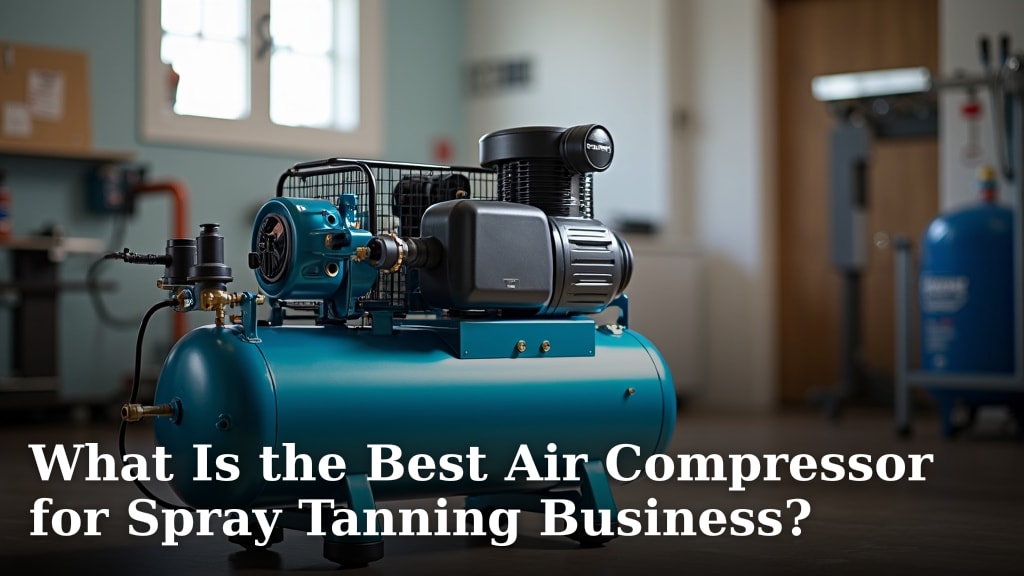
What Is the Best Air Compressor for Spray Tanning Business?
Finding the best air compressor for your spray tanning business means looking for quiet operation and consistent air output. Many professionals find that oil-free, twin-piston compressors deliver the reliable, fine mist needed for flawless tans. Think of it as your secret weapon for those sun-kissed glows.
Your air compressor directly impacts the quality of your spray tans. A good unit ensures a smooth application and prevents those dreaded splotchy results. We’ve researched what makes an air compressor a true workhorse for mobile or salon-based spray tan artists.
- Look for oil-free models for less maintenance.
- Prioritize quiet operation for client comfort.
- Ensure it provides consistent PSI for even mist.
- Consider portability if you’re a mobile tech.
- Think about tank size for longer sessions.
Let’s get down to what really matters when choosing the right air compressor to make your spray tanning clients look amazing.
Choosing the Right Air Compressor for Your Spray Tan Business
Finding the perfect air compressor is key to delivering flawless spray tans. You need a machine that provides a consistent, fine mist. This ensures even application for your clients. We’ve researched what makes a compressor a real winner for spray tan professionals.
Understanding Air Compressor Basics for Spray Tanning
Think of your air compressor as the engine behind your spray tan gun. It pushes the tanning solution through the nozzle. The goal is a fine, even mist. This prevents drips and splotches. A good compressor makes all the difference in client satisfaction.
Oil-Free vs. Oil-Lubricated: What’s the Difference?
For spray tanning, you’ll almost always want an oil-free compressor. Why? Because oil-lubricated compressors can eventually leak oil. This oil could contaminate your tanning solution. That means ruined tans and unhappy clients. Oil-free models are much cleaner. They also require less maintenance. You won’t need to worry about oil changes or checks.
Tank Size Matters: How Much Air Do You Need?
Air compressors have tanks that store compressed air. The size of this tank, measured in gallons, tells you how long the compressor can run without cycling. For spray tanning, you don’t need a massive tank. A smaller tank, around 1 to 3 gallons, is usually sufficient. This is especially true if you’re a mobile technician. Smaller tanks mean lighter weight.
However, if you anticipate doing many tans back-to-back, a slightly larger tank can be helpful. It provides a buffer. This means fewer interruptions during busy periods. We found that a 2-gallon tank is a sweet spot for many. It balances portability and performance.
CFM Rating: The Heart of Airflow
CFM stands for Cubic Feet per Minute. It measures the volume of air the compressor can deliver. For spray tanning, you need enough CFM to power your spray gun. Most spray tan guns require a low CFM. A rating between 0.5 to 1.5 CFM is generally more than enough. It’s important to check your spray tan gun’s specifications. They will tell you the minimum CFM needed.
A higher CFM rating isn’t always better for spray tanning. Too much airflow can be hard to control. It can also waste solution. Look for a compressor that matches or slightly exceeds your spray gun’s requirements. This ensures smooth, consistent air delivery.
Key Features to Look For in a Spray Tan Compressor
Beyond the basics, several features can enhance your experience. We’ve identified some that really stand out for spray tan professionals.
Noise Level: Your Client’s Comfort is Key
This is a big one! Many air compressors can be quite loud. Imagine trying to create a relaxing spa experience with a noisy machine in the background. That’s not ideal for your clients. We looked for compressors specifically designed for quiet operation. Many brands now offer “whisper-quiet” models. These can operate at sound levels comparable to a normal conversation.
Many experts say that a decibel (dB) rating below 60 is excellent for a salon or mobile setting. This keeps the atmosphere calm. It allows for pleasant conversation with your clients. This is a feature that truly elevates the client experience. It shows you care about their comfort.
Portability for Mobile Technicians
If you offer mobile spray tanning services, portability is non-negotiable. You need a compressor that is lightweight and easy to carry. Look for models with built-in handles. Some even have wheels, though that might be overkill for most spray tan setups. The smaller tank sizes we discussed earlier are a big advantage here.
We found that many compact, oil-free compressors are designed with mobile professionals in mind. They often have a small footprint. This makes them easy to pack into your vehicle. You can set up your mobile station quickly and efficiently.
Durability and Build Quality
You’re investing in a tool that will be the backbone of your business. You want it to last. Look for compressors with solid construction. Metal bodies are generally more durable than plastic ones. Check reviews to see what other users say about longevity. Many professionals report that well-maintained oil-free compressors can last for many years.
Pressure Regulator for Precision Control
A pressure regulator allows you to fine-tune the air pressure. This is essential for achieving the perfect mist. Different tanning solutions and spray guns may perform best at slightly different pressures. You want to be able to adjust this precisely. Many good quality compressors come with built-in regulators. Ensure it’s easy to read and adjust. This gives you the control needed for perfect application.
Comparing Popular Compressor Types and Features
Let’s break down some common types of compressors you might encounter and why some are better suited for spray tanning than others.
Piston Compressors: The Standard Choice
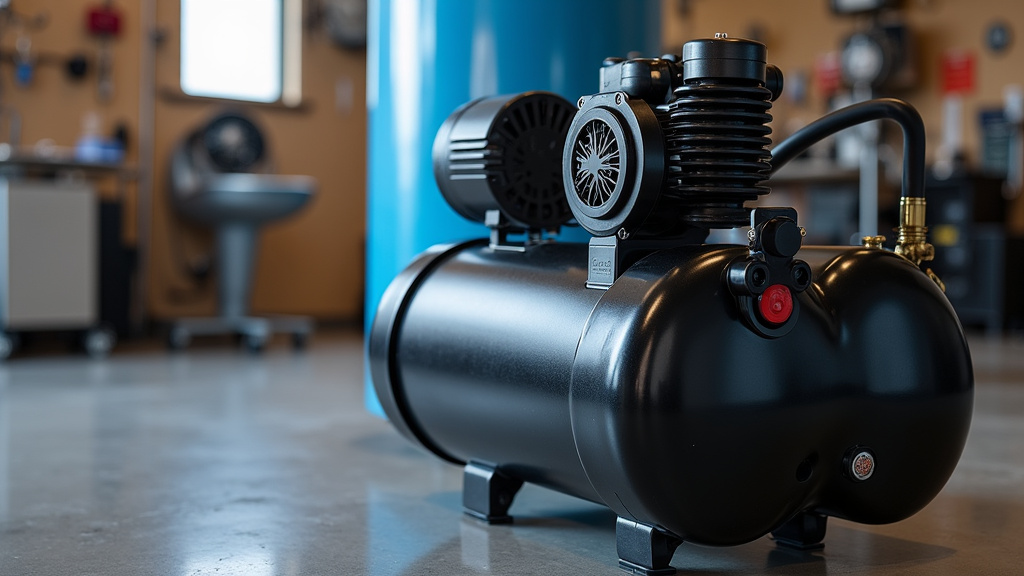
Piston compressors are the most common type. They use a piston to compress air. For spray tanning, we recommend sticking to oil-free piston compressors. They offer a good balance of performance and maintenance. They are generally more affordable than rotary screw types.
Single-Piston vs. Twin-Piston
Single-piston compressors are more basic. They can handle smaller jobs. Twin-piston compressors have two pistons. This means they can compress air more efficiently. They often provide a more consistent airflow. For spray tanning, especially if you’re busy, a twin-piston model can offer a smoother experience. It’s less likely to pulse air.
Rotary Screw Compressors: Often Overkill
Rotary screw compressors are powerful. They use rotating screws to compress air. While excellent for industrial applications, they are typically too large and expensive for most spray tanning businesses. They also tend to be much louder and require more complex maintenance.
What to Look for in a Spray Tan Compressor: A Checklist
To help you make your final decision, here’s a quick checklist of the most important features:
- Oil-Free Operation: Essential for clean tanning solutions.
- Quiet Performance: Aim for under 60 dB for client comfort.
- Appropriate CFM Rating: Matches your spray tan gun’s needs (0.5-1.5 CFM usually).
- Compact Tank Size: 1-3 gallons is ideal, especially for mobile.
- Built-in Pressure Regulator: For precise control of airflow.
- Durable Construction: Look for metal housing and good build quality.
By focusing on these factors, you can confidently choose an air compressor that will serve your spray tanning business well. It will help you consistently create beautiful, natural-looking tans for your clients.
Conclusion
Choosing the right air compressor is a vital step for your spray tanning business. You’ve learned that prioritizing oil-free operation, quiet performance, and a suitable CFM rating ensures client comfort and flawless application. Remember, a compact, durable compressor with a pressure regulator can truly make a difference. Focus on these features to find a reliable workhorse that helps you deliver consistently beautiful tans and keeps your clients coming back.
Now that you’re armed with this knowledge, take the next step: identify a few specific models that fit these criteria and read user reviews to make your final purchase. Your business will thank you for it!
Frequently Asked Questions
What is the ideal CFM rating for a spray tan compressor?
For most spray tanning applications, a CFM rating between 0.5 and 1.5 is usually sufficient. It’s important to match the compressor’s output to your specific spray tan gun’s requirements to avoid issues like inconsistent mist or wasted solution.
Can I use a small pancake compressor for my spray tanning business?
Yes, many compact “pancake” style compressors can work well, especially if you’re a mobile technician. Just ensure it’s an oil-free model and meets the CFM needs of your spray tan gun. Portability is a huge plus with these.
How important is the tank size on an air compressor for spray tanning?
Tank size is less critical than for other air tool applications. A smaller tank, typically 1 to 3 gallons, is often perfect for spray tanning. It keeps the unit lightweight and portable, and it provides enough stored air for continuous spraying without needing to cycle constantly.
What does “oil-free” mean for an air compressor, and why is it important?
An oil-free compressor uses special materials in its piston rings that don’t require lubrication. This is crucial for spray tanning because it prevents any chance of oil contaminating your tanning solution, ensuring you don’t accidentally ruin a client’s tan.
Are there specific brands known for quiet and reliable spray tan compressors?
While specific brand recommendations can change, many manufacturers offer “whisper-quiet” or low-noise models. Looking for compressors with a decibel (dB) rating below 60, and checking reviews that highlight durability and consistent performance, will guide you toward reputable options.
