
Why Is My Air Compressor So Loud?
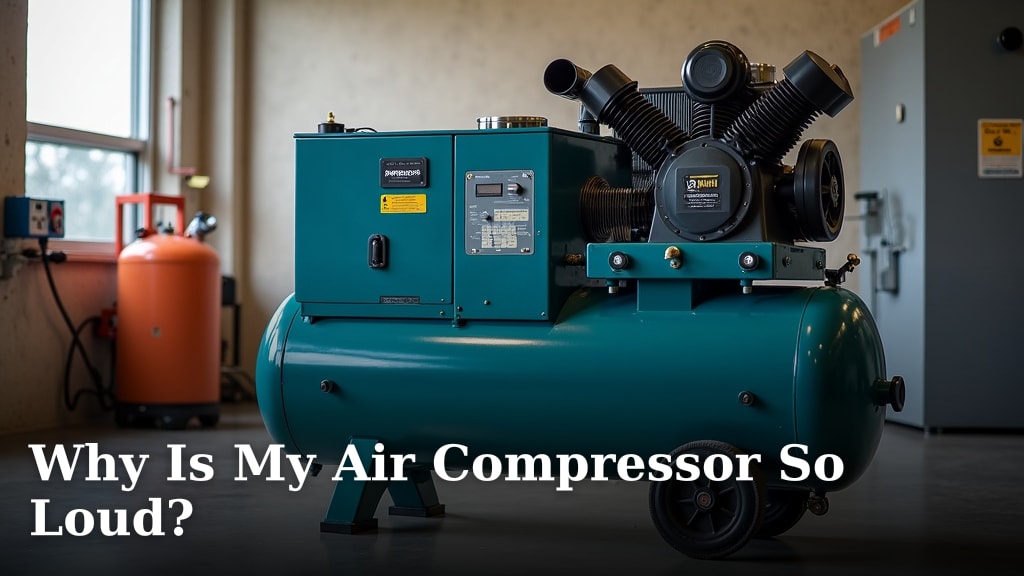
Your air compressor is so loud because of several factors related to its operation and mechanics. The main culprits are often the motor and pump, which create a lot of noise during the compression process, or issues like loose parts and worn-out components.
You might be wondering, “Is this normal?” Well, some noise is expected with an air compressor, but excessive or new sounds can signal a problem. We found that understanding these noises helps you diagnose issues quickly and keep your equipment running smoothly.
- Air compressors are noisy by nature.
- Loudness often comes from the motor or pump.
- Loose components can increase noise levels.
- Maintenance helps reduce excessive sound.
Let’s walk through the common reasons why your air compressor might be making a racket and what you can do about it.
Understanding Common Air Compressor Noise Sources
Let’s dive into why your air compressor is so loud. We found that the noise often comes from several key areas, each with its own distinct sound and solution.
The Motor and Pump: The Heart of the Noise
The motor and pump are the main components that make your air compressor work. These parts naturally generate a significant amount of noise during operation. Think of it like a car engine; some noise is just part of the process.
Motor Noise
Your air compressor’s motor converts electrical energy into mechanical energy. This process involves moving parts, and movement creates sound. You might hear a consistent hum or whine, which can intensify under load. We found that older motors or those working overtime tend to be louder.
- Worn Bearings: Bearings allow parts to rotate smoothly. If they wear out, they can create a grinding or squealing sound.
- Loose Mounts: The motor needs to be securely attached. If mounting bolts are loose, the motor can vibrate excessively, increasing noise.
- Electrical Issues: Sometimes, electrical problems within the motor can cause an abnormal buzzing or humming noise.
Pump Noise
The pump is what actually compresses the air. It draws in air, pressurizes it, and then sends it to the tank. This is a very active process, and it’s often the primary source of loud operational noise.
- Piston Movement: Reciprocating compressors use pistons that move up and down rapidly. This creates a distinct clattering or thumping sound.
- Valve Operation: Intake and discharge valves open and close with each pump stroke. Worn or damaged valves can cause clicking or tapping noises.
- Lubrication Issues: Insufficient or incorrect lubrication can lead to increased friction and, consequently, more noise from the pump.
Vibrations and Loose Components: The Rattling Culprits
Beyond the motor and pump’s core functions, many other parts can contribute to excessive noise. Vibrations are a natural byproduct of a working compressor. However, unchecked vibrations can loosen parts, leading to even more noise.
Loose Fasteners and Mounts
It sounds simple, but loose nuts, bolts, and screws are a common cause of unexpected noise. We found that over time, constant vibration can cause fasteners to loosen up. This can make various components rattle or bang against each other.
- Motor Mounting Bolts: Check if the bolts securing the motor to the frame are tight.
- Pump Mounting Bolts: Similarly, ensure the pump is firmly attached.
- Shroud or Cover Panels: Many compressors have plastic or metal covers. If these are loose, they can vibrate and create a loud buzzing or clattering sound.
Worn or Damaged Parts
Like any mechanical device, parts of your air compressor will eventually wear out. When this happens, they can become less efficient and much noisier. We found that regular inspections can help you catch these issues early.
Here’s a quick table outlining common worn parts and their typical noises:
| Worn Part | Typical Noise | Potential Impact |
|---|---|---|
| Piston Rings | Loud thumping, loss of compression | Reduced efficiency, increased run time |
| Connecting Rods | Knocking or banging | Severe damage if not addressed |
| Bearings (Motor/Pump) | Grinding, squealing, high-pitched whine | Motor/pump failure, overheating |
| Check Valve | Clicking, hissing after shutdown | Pressure leaks, motor cycling |
| Fan Blades | Whirring, scraping (if bent) | Poor cooling, overheating |
Air Leaks: The Unseen Whistle
Air leaks might not seem like a direct source of loud noise, but they can definitely contribute. A persistent hissing sound indicates air escaping where it shouldn’t. This makes your compressor work harder and longer, increasing overall operational noise.
We often find leaks in these common areas:
- Fittings and Connections: Any joint or connection point can develop a leak if not sealed properly or if seals degrade.
- Hoses: Cracks or punctures in air hoses can create a noticeable hiss.
- Tank Welds: Less common, but a faulty weld on the air tank can sometimes leak.
How do you find these hidden leaks? Many experts suggest using soapy water. Spray it on suspect areas; if you see bubbles, you’ve found your leak (Occupational Safety and Health Administration).
Inadequate Lubrication: The Grinding Halt
Lubrication is vital for any machinery with moving parts. It reduces friction and wear, keeping things running smoothly and quietly. When lubrication is insufficient or poor quality, friction increases, leading to more noise and faster wear.
What kind of noise can you expect? You might hear grinding, squealing, or a general increase in mechanical noise. This is because metal parts are rubbing against each other without enough protection. Always use the manufacturer’s recommended oil and follow their service schedule.
Blocked Air Filters: The Gasping Compressor
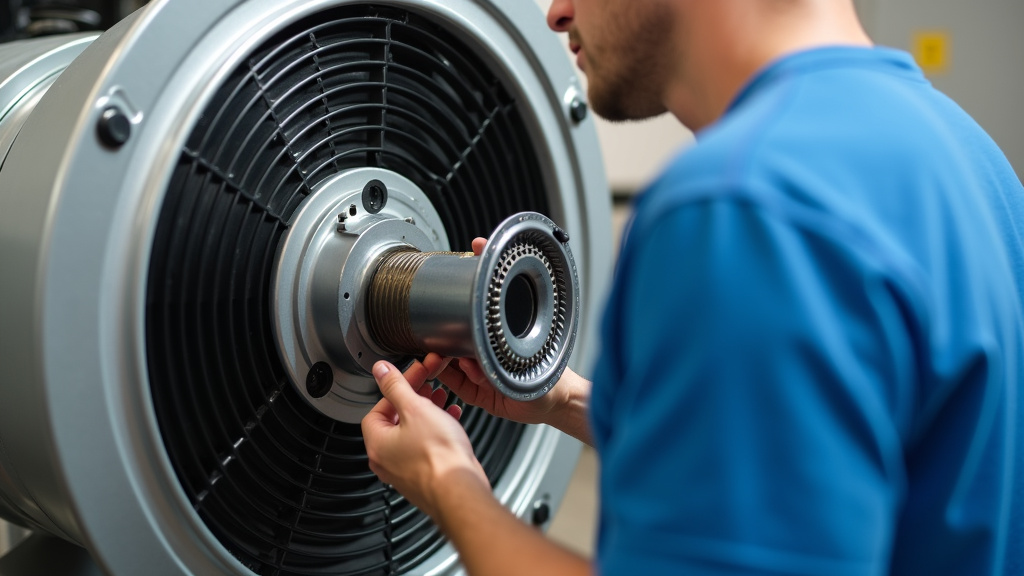
Your air compressor needs to breathe. The air filter keeps dust and debris out of the pump. If this filter becomes clogged, the compressor has to work much harder to draw in air. This extra strain can make the motor and pump much louder than usual.
A dirty air filter can lead to a strained, labored sound from the compressor. It’s an easy fix: simply clean or replace the air filter according to your owner’s manual. This simple maintenance step can significantly reduce noise and extend your compressor’s life.
Location and Installation: The Echo Chamber Effect
Sometimes, the compressor itself isn’t the only source of the problem. Where you put it and how it’s installed can greatly affect how loud it seems. Think about acoustics – a small, enclosed space will amplify sound much more than an open workshop.
- Hard Surfaces: Placing your compressor on a concrete floor or against bare walls can cause sound to bounce and echo, making it seem much louder.
- Enclosed Spaces: Small rooms, closets, or tightly packed areas don’t allow sound to dissipate, leading to higher perceived noise levels.
- Lack of Vibration Isolation: If the compressor is directly on the floor without any dampening, its vibrations can transmit through the structure, causing more noise throughout the area.
Reducing the Racket: Your Checklist for a Quieter Compressor
You don’t have to live with a deafening air compressor. We found that a combination of maintenance and strategic placement can make a big difference. Here’s a quick checklist you can follow:
- Inspect all fasteners: Tighten any loose bolts or screws on the motor, pump, and covers.
- Check and replace air filters: A clean filter ensures the compressor breathes easily.
- Monitor oil levels and quality: Ensure proper lubrication to minimize friction and wear.
- Search for air leaks: Use soapy water to find and seal any hissing leaks.
- Isolate vibrations: Place rubber pads or an anti-vibration mat under the compressor.
- Consider its location: Move the compressor to a more open area or use sound-dampening materials.
Addressing these points systematically will likely help you pinpoint and quiet down the specific noise your air compressor is making. Your ears will thank you!
Conclusion
Understanding why your air compressor is so loud helps you move from frustration to finding a solution. We’ve seen that many noises point to simple fixes, whether it’s a loose bolt, a clogged filter, or a need for fresh oil. Regular maintenance isn’t just about prolonging your compressor’s life; it’s also about maintaining a quieter, more efficient workspace.
Take these steps to identify the specific cause of your compressor’s racket. Your effort will result in a smoother-running machine and a much more peaceful environment. Start by listening closely, then systematically check the common culprits we discussed.
Frequently Asked Questions
Is it normal for a new air compressor to be loud?
A brand-new air compressor will still make noise due to its motor and pump operations. However, it shouldn’t produce unusual grinding, squealing, or knocking sounds. If it does, you should check for factory defects or loose components.
Can I make my air compressor quieter without opening it up?
Absolutely! You can significantly reduce noise by focusing on its environment. Place your compressor on a thick rubber mat to absorb vibrations, move it to a more open area, or build a sound-ddampening enclosure around it. These external solutions can make a big difference.
How often should I check for air leaks?
We recommend checking for air leaks during your routine maintenance schedule, perhaps every few months or whenever you notice the compressor running more frequently than usual. A simple soapy water test around fittings and hoses can quickly reveal any issues.
What kind of oil should I use for my air compressor?
Always refer to your air compressor’s owner’s manual for the manufacturer’s specific oil recommendations. Using the wrong type of oil can lead to increased friction, premature wear, and more noise. Many use a non-detergent air compressor oil.
Will replacing my air filter make my compressor quieter?
Yes, often it will. A clogged air filter forces your compressor to work harder, leading to a louder, strained operating sound. Replacing a dirty filter with a clean one allows the compressor to “breathe” easily, often resulting in a noticeable reduction in operational noise.
