
What Color Teflon Tape For Air Compressor?
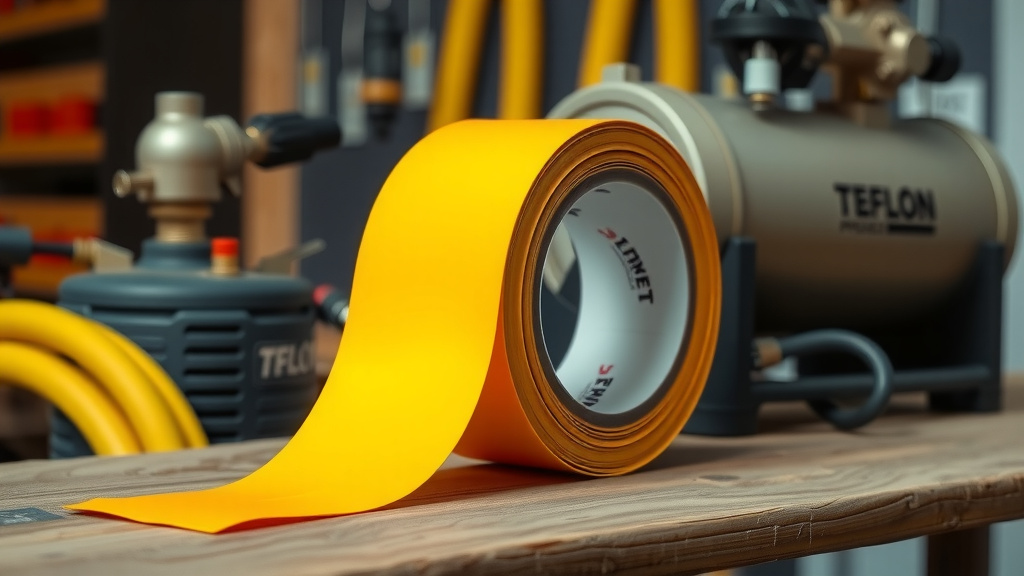
For most air compressor applications, white or yellow Teflon tape is generally recommended. White PTFE tape is standard for general-purpose sealing, while yellow is specifically designed for gas lines, including compressed air, offering higher density.
Choosing the right color of Teflon tape for your air compressor ensures a proper, leak-free seal and promotes safety.
TL;DR:
- White or yellow Teflon tape works best for air compressor fittings.
- White tape suits general-purpose sealing, including lower-pressure air.
- Yellow tape is a safer bet for higher-pressure gas and compressed air lines due to its density.
- Always match the tape type to your application’s pressure requirements.
- Incorrect tape use can lead to leaks, wasted energy, or even hazards.
What Color Teflon Tape For Air Compressor?
For air compressor fittings, we always point to white or yellow Teflon tape as your go-to choices. White is a general-purpose option, while yellow tape is purpose-built for gas and air lines.
Think about it: you want a reliable seal, right? The color helps you quickly identify the tape’s properties and intended use. Let’s explore why these colors stand out for your air compressor needs.
Understanding White Teflon Tape
White Teflon tape, also known as PTFE thread seal tape, is probably what you picture first. It’s the standard, multi-purpose tape you find in many toolboxes.
This tape is good for sealing pipe threads against leaks in many applications. It works well for water lines, general plumbing, and even lower-pressure air lines.
We found that white tape offers a basic level of sealing. If your air compressor setup is for light, occasional use, white tape might be adequate.
Why Yellow Tape Is Often Better for Air Compressors
Now, let’s talk about yellow Teflon tape. This color is specifically designed for gas lines, including natural gas, propane, and yes, compressed air.
What makes it special? Yellow tape is typically denser and thicker than white tape. This extra density helps it create a more robust, reliable seal under higher pressures.
Many experts say that for air compressors, especially those running at higher PSI, yellow tape provides a superior seal. It’s built to withstand the specific demands of pressurized air systems (Many plumbing guides).
Think of it as choosing the right tool for the job. You wouldn’t use a screwdriver to pound a nail, would you? Yellow tape is the proper “tool” for air lines.
Other Teflon Tape Colors and Their Uses
While white and yellow are key for air compressors, you might see other colors. Each color usually signals a different intended use or property.
Pink Teflon Tape: For Water Lines
Pink Teflon tape is often used for potable water lines. It’s usually denser than white tape but not as dense as yellow. You might see it in residential plumbing for a better seal on water fittings.
Green Teflon Tape: For Oxygen Lines
This tape is very specialized. Green Teflon tape is specifically formulated for oxygen lines. It’s usually oil-free and thicker to prevent contaminants and ensure safety with oxygen.
You definitely don’t want to mix this up with other uses. Using the wrong tape with oxygen can be extremely dangerous.
Grey or Red Teflon Tape: Specialized Applications
Some grey or red tapes exist for stainless steel threads or specific chemical applications. These are usually heavy-duty and highly specialized. You won’t typically need these for a standard air compressor.
The key takeaway? Stick to white or yellow for your air compressor unless you have a very unique setup and specific product instructions.
Why Tape Type and Color Matters
You might wonder, “Is it really that big of a deal?” Yes, it is! Using the correct tape ensures a tight, leak-free connection. A small leak in an air line can lead to several problems.
First, it wastes energy. Your compressor has to work harder to maintain pressure. Second, it can reduce the life of your compressor. Third, it can impact the performance of your air tools.
Also, a poor seal can be a safety concern, especially under high pressure. Research often connects proper sealing to system efficiency and safety (Industrial Safety & Hygiene News).
Teflon Tape vs. Liquid Thread Sealant
You also have the option of liquid thread sealant. This liquid hardens to create a seal. Some people prefer it, especially for threads that might vibrate.
However, Teflon tape is generally easier to apply and remove. It doesn’t require drying time, which is a plus for quick repairs or installations.
For air compressor fittings, either can work, but tape remains a popular and reliable choice for many DIYers and professionals.
How to Apply Teflon Tape Correctly
Applying the tape correctly is just as important as choosing the right color. Here’s a simple guide to get a perfect seal every time:
- Clean the Threads: Make sure the male threads are clean and free of dirt, old sealant, or grease. A clean surface helps the tape adhere better.
- Wrap in the Right Direction: Hold the pipe or fitting with the threads pointing towards you. Wrap the tape clockwise around the threads. This ensures the tape tightens as you screw on the fitting.
- Start from the Second Thread: Don’t wrap tape on the very first thread. Start a thread or two back. This prevents tape from tearing or squeezing into the pipe.
- Use Enough Wraps: For most air compressor fittings, two to three layers of tape are usually enough. For larger threads or higher pressure, you might add a fourth wrap.
- Pull Tightly: As you wrap, pull the tape taut so it conforms to the threads. You want it snug, not loose or bunched up.
- Hand-Tighten First: Always hand-tighten the fitting first, then use a wrench for a final snug quarter or half turn. Don’t overtighten, as this can damage the threads or fitting.
Follow these steps, and you’ll have a strong, leak-free connection. It’s all about precision and patience, even with something as simple as tape.
Common Mistakes to Avoid
We’ve seen people make a few common errors with Teflon tape. Avoiding these helps ensure your air compressor setup works perfectly.
- Wrapping Counter-Clockwise: This causes the tape to unravel as you tighten the fitting, leaving you with no seal.
- Using Too Much Tape: Too many layers can prevent the fitting from seating properly, or even crack the fitting if you overtighten it.
- Not Cleaning Threads: Dirt and debris prevent a good seal. Always give those threads a quick wipe.
- Using the Wrong Tape: As discussed, using white tape for very high-pressure air might not be as reliable as yellow.
- Leaving Tape Dangling: Make sure the end of the tape is pressed flat against the threads to prevent it from getting caught or shredding.
Comparing Teflon Tape Colors for Air Compressors
Here’s a quick look at how the main types stack up for your air compressor considerations:
| Tape Color | Primary Application | Density/Specialty | Air Compressor Suitability |
|---|---|---|---|
| White | General-purpose, water, low-pressure air | Standard density, basic sealing | Good for low-pressure, general use |
| Yellow | Gas lines, compressed air, propane | High density, robust seal | Best for all air compressor types |
| Pink | Potable water lines | Medium-high density, water-specific | Not ideal; stick to white/yellow |
| Green | Oxygen lines, oil-free systems | Very specific, oil-free | Do NOT use for general air compressors |
Your Pre-Application Checklist
Before you even grab that wrench, run through this quick checklist:
- Do you have the right color Teflon tape (white or yellow)?
- Are the threads clean and dry?
- Do you know the direction to wrap (clockwise on male threads)?
- Do you have enough tape for 2-4 wraps?
- Is your wrench ready for a final snug-up?
Checking these few things can save you a lot of frustration later on. A little preparation goes a long way to ensure your air compressor system performs as it should.
Conclusion
When it comes to your air compressor, the color of your Teflon tape truly matters for both effectiveness and safety. While white Teflon tape can work for lighter, lower-pressure air applications, yellow Teflon tape is the top recommendation for its higher density and suitability for gas and air lines.
Remember, proper application is just as important as choosing the right type. By understanding the differences and following best practices, you ensure a secure, leak-free connection, saving you energy and extending the life of your equipment. Make the smart choice for your air compressor setup; it’s a small detail that makes a big impact.
What is the difference between white and yellow Teflon tape?
The main difference lies in density and intended use. White Teflon tape is a standard, lower-density tape for general plumbing, water lines, and low-pressure air. Yellow Teflon tape is a higher-density, thicker tape specifically designed for gas lines, including natural gas, propane, and higher-pressure compressed air, providing a more robust seal.
Can I use any color Teflon tape for air fittings?
While some people might use any available tape, it’s not recommended for optimal performance and safety. Each color often indicates a specific density and chemical compatibility. For air compressor fittings, sticking to white or, better yet, yellow tape ensures the best seal for pressurized air.
How many wraps of Teflon tape should I use for an air compressor fitting?
For most air compressor fittings, we recommend two to three full wraps of Teflon tape around the male threads. For larger diameter threads or higher pressure applications, you might consider up to four wraps. The key is to create a snug layer without overtightening or tearing the tape.
Does Teflon tape prevent air leaks completely?
When applied correctly, Teflon tape is highly effective at preventing air leaks in threaded connections. It fills the small gaps between the threads, creating a tight seal. However, it’s essential to use the correct type of tape for the pressure involved and ensure proper application for the best results.
Is Teflon tape reusable?
No, Teflon tape is not reusable. Once a fitting has been removed, the tape will be compressed and stretched, losing its sealing properties. Always remove any old tape completely from the threads and apply fresh tape when reassembling a connection to ensure a reliable, leak-free seal.
