
Where Is The Air Compressor On A Paccar Engine?
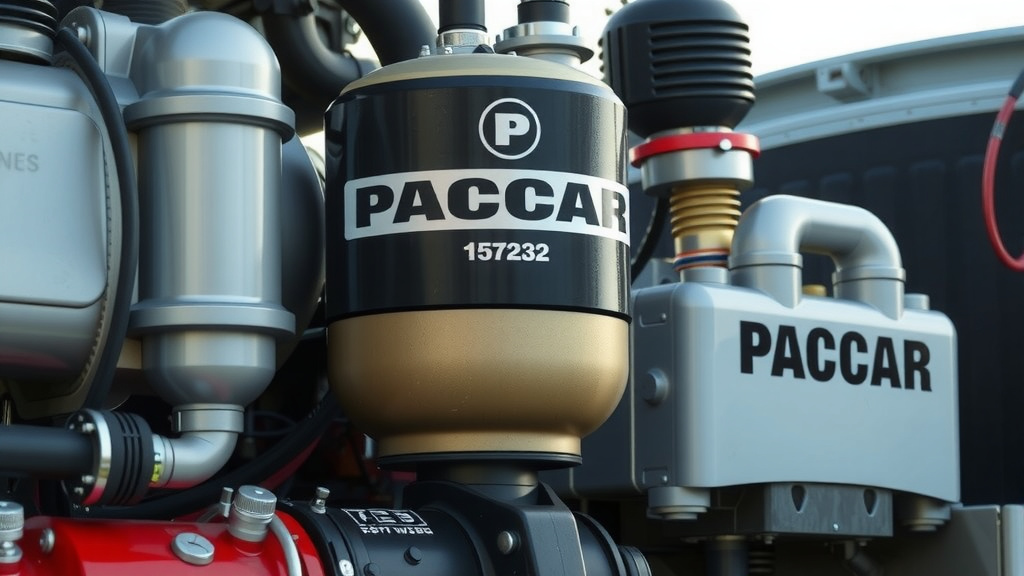
The air compressor on a Paccar engine is typically found mounted to the rear of the timing gear housing, often positioned on the driver’s side of the engine block. This placement allows it to be efficiently driven by the engine’s gear train.
You’ll usually locate the Paccar air compressor near the back of the engine, connected directly to the gear train for mechanical power, ensuring it’s readily accessible for service on Paccar MX-series engines.
Just need the quick answers? Here’s the gist:
- Your Paccar air compressor builds essential air pressure for brakes and auxiliary systems.
- It’s usually bolted to the rear of the timing gear housing on the driver’s side.
- Look for a cylindrical component driven by gears, not belts.
- Regular checks of air lines and dryer filters are key to preventing costly repairs.
- Knowing its location makes routine inspections and basic troubleshooting much simpler.
Where Is The Air Compressor On A Paccar Engine?
On most Paccar engines, including the popular MX-series, the air compressor is typically mounted directly to the rear of the timing gear housing. This strategic placement connects it to the engine’s gear train, providing mechanical power without needing external belts.
What Does an Air Compressor Do on Your Truck?
Think of your truck’s air compressor as the heart of its pneumatic system. It constantly works to build and maintain air pressure, which is vital for many functions. Without it, your heavy-duty truck simply wouldn’t be safe or operational (Paccar Service Manuals).
This pressurized air isn’t just for your brakes; it powers things like the air suspension, transmission shift controls, and even horn. Imagine trying to stop a fully loaded rig without proper air pressure – quite a scary thought, right? So, its function is truly non-negotiable.
Why Location Matters: Understanding the Paccar Layout
Paccar engineers designed their engines with efficiency and reliability in mind. Placing the air compressor at the rear of the timing gear housing means it’s driven directly by the engine’s internal gears. This method eliminates the need for external belts, which can slip or break.
This direct drive system provides consistent power to the compressor, making it more dependable. It also often tucks the component away, protecting it from road debris and harsh conditions. You might find it a bit hidden, but its position is intentional.
Common Paccar Engine Series
Paccar produces several robust engine series, but you’ll most often encounter the MX-11 and MX-13 in heavy-duty trucks like Kenworth and Peterbilt. While they share many design principles, slight variations can exist.
Knowing which Paccar engine powers your rig helps narrow down where to look. Both series rely on that gear-driven compressor for their pneumatic needs. It’s a consistent design feature across their modern lineup.
Finding It on the MX-11 Engine
If you’re working with an MX-11 engine, expect the air compressor to be on the left-hand (driver’s) side, towards the back. It’s integrated into the rear of the timing gear housing. It’s a fairly compact unit, but robust.
You’ll see air lines running to and from it. Its location makes it part of the engine’s core assembly, a testament to its critical role. Many mechanics describe it as a familiar sight once you know what to look for.
Finding It on the MX-13 Engine
For the MX-13 engine, the air compressor’s home is quite similar to the MX-11. Again, look to the rear of the timing gear housing, typically on the driver’s side. The larger size of the MX-13 engine doesn’t change this fundamental placement.
It’s designed for straightforward access during maintenance, even if it looks a bit buried at first glance. Remember, it’s connected directly to the engine’s timing gears. This means no belts to check on it specifically.
Visual Cues: What to Look For
When you peer under the hood (or cab, rather), the air compressor isn’t usually the flashiest component. Look for a cylindrical or block-shaped metal unit. It will have several air lines attached, usually thick rubber or metal tubing.
You’ll also notice a lack of drive belts around it, setting it apart from other accessories like the alternator or power steering pump. It truly stands out by blending in with the engine’s core structure. Does that make sense?
The Anatomy of Your Air Compressor
Your air compressor isn’t just one simple part; it’s a system. Inside, you’ll find pistons that compress air, much like a tiny engine. There’s also a governor that controls when it builds pressure and when it “cuts out” (stops compressing air).
It also has a discharge port where the compressed air exits and travels to the air dryer. The air dryer is another critical component often found nearby, as it removes moisture from the air before it reaches your truck’s systems (Meritor Maintenance Guide).
Common Air Compressor Problems
Even robust components can face issues. You might notice your air compressor taking a long time to build pressure, or perhaps it’s constantly running. These are often early warning signs that something isn’t right.
Other problems include excessive oil consumption, which can mean worn piston rings, or air leaks from lines or fittings. Sometimes you might even hear unusual noises, like a knocking or grinding sound. Have you ever heard that?
Paccar Engine Compressor Mounting Points
Here’s a quick look at where you can generally find the air compressor on common Paccar engines:
| Engine Series | Typical Location | Drive Type |
|---|---|---|
| Paccar MX-11 | Rear of timing gear housing, driver’s side | Gear-driven |
| Paccar MX-13 | Rear of timing gear housing, driver’s side | Gear-driven |
| Older Paccar Engines (e.g., some PX-series) | Varies, sometimes belt-driven or different gear location | Gear-driven (mostly) or Belt-driven (older) |
Keeping Your Air Compressor Healthy
Preventative maintenance is your best friend when it comes to air compressors. We found that regular inspection of air lines for cracks or leaks is super important. A small leak can make your compressor work overtime, leading to early failure.
Also, don’t forget your air dryer! Its filter removes moisture, preventing rust and ice from damaging your air brake system. Many experts say to replace the air dryer cartridge annually or every 100,000 miles (Bendix Commercial Vehicle Systems).
Your Air Compressor Health Checklist
- Inspect air lines and fittings for any visible leaks or damage.
- Listen for unusual noises during compressor operation.
- Check the air pressure build-up time – it should be quick and consistent.
- Drain air tanks regularly to remove any accumulated moisture.
- Replace your air dryer filter cartridge as recommended by the manufacturer.
- Monitor for excessive oil carryover into the air system (can indicate internal wear).
Troubleshooting: What to Do If You Suspect an Issue
If you suspect an air compressor problem, your first step is usually to check the air pressure gauge in your cab. Is it building pressure slowly, or not at all? Then, a visual inspection for obvious leaks or damage around the compressor and lines is smart.
You can also listen carefully for air escaping when the compressor is working. Sometimes, a simple tightening of a fitting can solve a small leak. However, more complex internal issues usually require a professional diagnosis. Don’t play guessing games with your brakes!
When to Call a Professional
While basic checks are good, some problems are definitely for the pros. If your compressor is constantly running, making loud noises, or you have persistent pressure loss, it’s time to seek expert help. These issues can indicate serious internal wear or failure.
Tinkering with the air brake system without proper training and tools is extremely dangerous. Your safety, and the safety of others on the road, depends on a perfectly functioning air system. So, when in doubt, call the experts.
DIY vs. Professional Repair: Weighing Your Options
For minor things, like replacing an accessible air line or draining tanks, you might feel comfortable doing it yourself. You probably already handle routine inspections regularly, right? However, for anything involving internal compressor components or complex diagnostics, professional help is best.
Many experts say that attempting internal compressor repairs without specialized tools and knowledge can lead to bigger problems and cost more in the long run. Plus, professional repairs often come with warranties, giving you extra peace of mind.
Why Paccar’s Design Makes Sense
Paccar’s choice to mount the air compressor to the timing gear housing isn’t arbitrary. It’s a design philosophy that prioritizes durability and reduced maintenance. By eliminating belts, they remove a common point of failure. Belts can fray, stretch, or break.
This integrated design also helps protect the compressor from external factors. It’s tucked away, less exposed to road grime, temperature extremes, and accidental impacts. It’s a smart engineering decision for a component that must perform flawlessly.
Impact of a Faulty Compressor
A failing air compressor doesn’t just affect your brakes; it can cripple your entire truck. If it can’t build or hold pressure, you could experience slow brake release, sluggish shifting, or even a complete loss of braking ability. Imagine that while hauling a heavy load!
Beyond safety, it leads to downtime and expensive repairs. Your truck isn’t making money if it’s in the shop. Recognizing the signs early can save you from a much larger headache later on. It’s like a domino effect for your truck’s operations.
Conclusion
Understanding where the air compressor sits on your Paccar engine is more than just trivia; it’s essential knowledge for any truck owner or operator. Typically found on the driver’s side, at the rear of the timing gear housing, this gear-driven component is the silent workhorse behind your truck’s crucial pneumatic systems.
By knowing its location, what it does, and how to spot potential issues, you’re better equipped to perform vital checks and ensure your truck runs safely and efficiently. Remember, proactive maintenance isn’t just a recommendation; it’s a commitment to your truck’s longevity and your peace of mind on the open road. Keep that air flowing freely!
Frequently Asked Questions About Paccar Air Compressors
What is the typical lifespan of an air compressor on a Paccar engine?
The lifespan of an air compressor can vary widely based on maintenance, operating conditions, and mileage. However, with proper care and regular air dryer cartridge replacement, many Paccar air compressors can last well over 500,000 miles, and sometimes even a million miles or more (Paccar Maintenance Guidelines). Neglect, though, can drastically shorten this.
Can a bad air compressor affect engine performance?
While the air compressor doesn’t directly affect engine power output in the same way a turbocharger does, a failing compressor can certainly impact overall vehicle performance. If it’s constantly trying to build pressure due to leaks or internal issues, it puts an added load on the engine, potentially reducing fuel efficiency and creating unnecessary strain. It uses engine power, so a stressed compressor means a stressed engine.
Are Paccar air compressors interchangeable with other brands?
Generally, no. Paccar engines are designed with specific components that are often proprietary or highly integrated into their systems. While some aftermarket parts might exist, directly swapping a Paccar air compressor with one from a Cummins or Detroit Diesel engine is usually not feasible due to mounting differences, gear drive specifications, and air system requirements. Always use Paccar-approved or equivalent aftermarket parts.
How can I tell if my air compressor is leaking air?
One common way to detect an air leak is to listen for a hissing sound around the compressor, its air lines, or fittings when the engine is running and the air system is pressurized. You can also spray a soapy water solution on suspect areas; if bubbles form, you’ve found a leak. A slow build-up of air pressure or the compressor cycling on and off more frequently than usual are also strong indicators of a leak.
Is it normal for my air compressor to make noise?
Some operational noise is normal, especially during the compression cycle. You’ll typically hear a steady “thump-thump” or pumping sound. However, loud knocking, grinding, or excessive rattling noises are not normal and suggest an internal problem. If you hear new or louder sounds, it’s wise to investigate quickly before a minor issue becomes a major breakdown.
