
How To Upgrade Air Compressor?
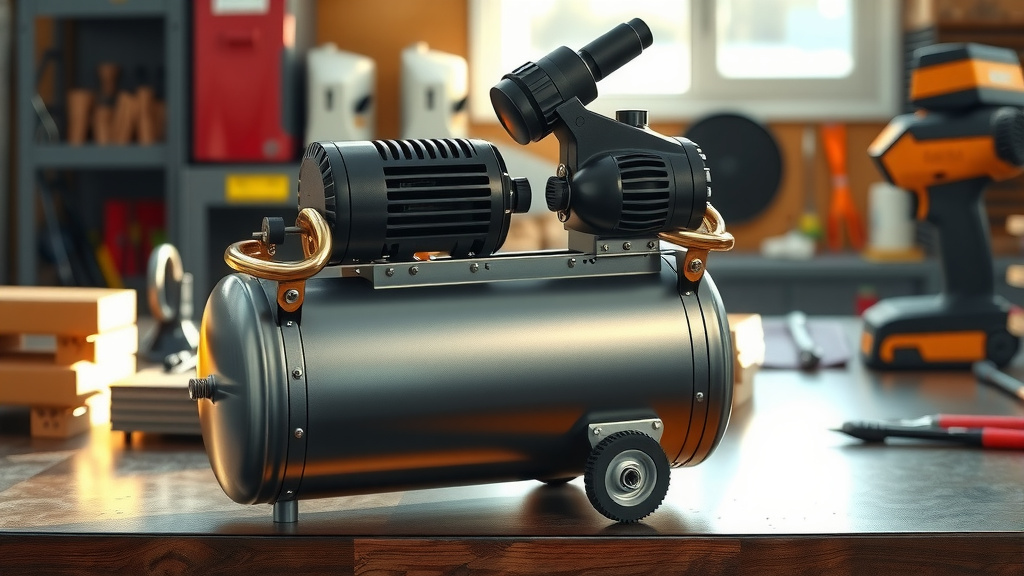
Upgrading your air compressor often involves boosting its capacity, improving air quality, or enhancing its efficiency. You can achieve this by replacing key components like the motor or pump, adding a larger air tank, or investing in a completely new unit tailored to your growing needs.
Here’s a quick overview of what you’ll find in this guide:
- Explore if your current compressor still meets your demands.
- Discover the main ways to upgrade, from new parts to a whole new machine.
- Learn about crucial factors like power, air quality, and noise.
- Understand when a DIY upgrade is smart and when to call an expert.
- Get tips for maintaining your improved air compressor system.
How To Upgrade Air Compressor?
Upgrading your air compressor means enhancing its performance to meet greater demands or improve operational quality. This could involve increasing airflow (CFM), pressure (PSI), or air storage capacity, ensuring your tools always have the power they need.
Why Consider Upgrading Your Air Compressor?
You might be wondering if an upgrade is even necessary. Many people use their air compressors until they simply stop working. However, an early upgrade can prevent frustration and save money in the long run. We found that upgrading often comes down to efficiency and capability.
When Your Old Compressor Just Can’t Keep Up
Does your compressor run constantly? Does it struggle to power your new pneumatic tools? These are clear signs your current setup is reaching its limits. It’s like trying to run a marathon with worn-out shoes; you just won’t perform your best. Many experts say that struggling compressors indicate insufficient CFM for your tools.
Boosting Efficiency and Saving Energy
Older compressors can be real energy hogs. They might be leaking air or operating inefficiently, costing you more on your electricity bill. Upgrading, especially to a more modern or properly sized unit, can lead to significant energy savings. Research indicates that modern compressors often feature better motor efficiency and controls.
Expanding Your Tool Arsenal
Perhaps you’ve added new air tools that demand higher CFM or PSI. A small pancake compressor might be fine for a nail gun, but a sandblaster or an impact wrench needs serious air. Your compressor should match the most demanding tool you own. We found that a mismatch here is a common source of frustration for users.
What Are Your Options for Upgrading?
When you decide to upgrade, you have a few paths to choose from. Each path has its own pros and cons, affecting cost and complexity. It’s important to match your upgrade strategy to your actual needs.
The “Go Bigger” Approach (New, Larger Compressor)
Sometimes, the simplest upgrade is to replace your old unit entirely with a more powerful model. This is especially true if your compressor is very old or constantly breaking down. A new unit often brings improved technology, better efficiency, and reliability. Consider your CFM needs first, then PSI, and finally tank size.
When considering a new unit, think about its specifications compared to your current one:
| Feature | Your Current Compressor | Potential New Compressor |
|---|---|---|
| CFM (Cubic Feet per Minute) | 3.0 @ 90 PSI | 6.0 @ 90 PSI |
| Tank Size (Gallons) | 6 Gallon | 20-30 Gallon |
| Horsepower (HP) | 1.5 HP | 3-5 HP |
| Noise Level | Loud (80+ dB) | Quieter (70 dB or less) |
Enhancing Your Current Setup (Components)
If your compressor’s frame and tank are still good, you might just need to replace or upgrade specific parts. This can be a more budget-friendly option than buying a whole new unit. It’s like replacing the engine in your car instead of buying a brand-new vehicle.
Upgrading the Motor
A more powerful motor can drive the pump faster, leading to higher CFM output. Ensure any new motor is compatible with your existing pump and electrical supply. This is a common upgrade for those seeking a modest power boost. Always verify the voltage and amperage requirements (National Electric Code).
Swapping Out the Pump
The pump is the heart of your compressor. Installing a larger or more efficient pump can drastically increase CFM. You might even switch from a single-stage to a two-stage pump for higher PSI. Remember, the pump and motor must be correctly matched for optimal performance. We found that two-stage pumps are excellent for high-pressure needs.
Adding a Larger Air Tank (Receiver)
A bigger air tank doesn’t increase CFM, but it does provide a larger reserve of compressed air. This means your compressor runs less often, and you get more sustained airflow for demanding tools. It’s like having a bigger gas tank; you can go longer between fill-ups. Safety guidelines emphasize correct tank installation and pressure ratings.
Essential Considerations Before You Start
Before you dive into any upgrade, a few critical factors deserve your attention. Overlooking these can lead to frustration, added costs, or even safety hazards. Think of it as mapping your route before starting a road trip.
Power Requirements and Electrical Upgrades
A more powerful motor or a larger compressor unit often requires more electricity. Can your workshop’s electrical circuit handle the increased load? You might need to install a dedicated circuit or even upgrade your main electrical panel. We found that many people underestimate this step, leading to tripped breakers. Consult a qualified electrician.
Air Quality: Filters, Dryers, and Regulators
Upgrading isn’t just about power; it’s also about the quality of the air. Moisture and oil in your air lines can damage tools and ruin paint jobs. Adding an air dryer, inline filters, or a better regulator ensures clean, dry, and consistent air pressure. Many professionals agree that good air quality is key to tool longevity.
Noise Levels: Quieter Solutions
Are you tired of the roaring sound of your compressor? Modern compressors, especially scroll or rotary screw types, are significantly quieter. You could also build an insulated enclosure around your existing unit. Protecting your hearing is important (OSHA recommendations often highlight this). We found that many home users appreciate a quieter machine for comfort.
Budgeting for Your Upgrade
Have a clear budget in mind. Replacing parts might be cheaper than a new unit, but unexpected issues can arise. A new, larger compressor is a bigger upfront cost but often provides better long-term value and reliability. Research indicates that investing in quality pays off with fewer repairs.
Is DIY Right for Your Compressor Upgrade?
Many smaller compressor tasks are well within the ability of a DIY enthusiast. Changing filters, installing new hoses, or adding a dryer can be straightforward. However, some upgrades demand specific expertise and safety knowledge. It’s important to know your limits, just like you wouldn’t try to rebuild an engine without experience.
When to Call the Pros (Safety First!)
Electrical work, major pump replacements, or pressure tank modifications are serious business. If you’re dealing with high voltage or high pressure, improper installation can be dangerous. When in doubt, call a certified technician. Their expertise ensures the job is done safely and correctly. Manufacturers often advise professional installation for major components.
Here’s a quick checklist to help you decide if it’s time to call a professional:
- Are you modifying the pressure relief valve or tank structure?
- Does the upgrade involve rewiring your electrical panel or adding a new circuit?
- Are you replacing a major component like the entire motor and pump assembly?
- Do you lack experience working with high-pressure systems?
- Are you unsure about the compatibility of new parts with your existing unit?
- Is the upgrade causing a safety concern or leak you can’t resolve?
Making the Most of Your Newfound Power
Once your air compressor is upgraded, you’ll feel the difference immediately. But the journey doesn’t end there. To truly maximize your investment, focus on ongoing care and smart usage. It’s like buying a powerful new car; you still need to maintain it and drive it wisely.
Proper Maintenance for Longevity
Regular maintenance is crucial for any air compressor, new or upgraded. This includes draining the tank daily to prevent rust, checking air filters, and inspecting for leaks. We found that a consistent maintenance schedule significantly extends the lifespan of your unit. Many manufacturers recommend specific service intervals.
Optimizing Your Air Tool Usage
Even with an upgraded compressor, using your air tools efficiently saves air and reduces wear. Only run tools when needed. Ensure hoses are the correct diameter for minimal pressure drop. Properly lubricate air tools as recommended. Experts often advise matching tool specifications to your compressor’s output for best results.
Conclusion
Upgrading your air compressor is a smart move if your current unit isn’t keeping pace with your demands or if you seek greater efficiency. Whether you opt for a full replacement or component upgrades, thoughtful planning is key. Consider your power needs, air quality, and budget. Remember, safety should always be your top priority, so don’t hesitate to call a professional for complex tasks. With a little planning and the right choices, you’ll have a more powerful, efficient, and reliable compressed air system ready for any project.
What is the most common reason people upgrade their air compressor?
The most common reason for upgrading an air compressor is usually insufficient CFM (Cubic Feet per Minute) to power pneumatic tools effectively. People often find their old compressor runs constantly or struggles when they add more demanding air tools to their workshop.
Can I just add a larger tank to my existing compressor for more power?
Adding a larger tank will provide a greater reserve of compressed air, meaning your compressor runs less frequently and can sustain airflow for longer periods. However, it will not increase the compressor’s actual CFM output or maximum PSI. For more “power” (i.e., faster airflow), you need a better pump or motor.
How do I know if my electrical system can handle a compressor upgrade?
Before any major upgrade, check the horsepower (HP) and amperage (amps) of the new motor or compressor unit. Compare these figures to your existing circuit breaker’s rating. If the new unit requires more amps, you likely need a dedicated circuit or an electrical panel upgrade. Always consult a qualified electrician for electrical modifications.
What are the benefits of a two-stage air compressor over a single-stage?
A two-stage air compressor compresses air twice, typically to higher pressures (PSI), making it more efficient for demanding applications like automotive work or heavy-duty tools. They often run cooler and last longer than single-stage compressors, which are generally designed for lower pressure, intermittent use.
Is it always better to buy a brand-new compressor instead of upgrading parts?
Not always. If your compressor’s tank and frame are in good condition, and only a specific component like the motor or pump is underperforming, upgrading parts can be more cost-effective. However, if your unit is very old, constantly breaking down, or severely undersized, a new compressor often offers better overall value, efficiency, and modern features.
