
Is a Dedicated Airbrush Compressor Better Than a Regular One?
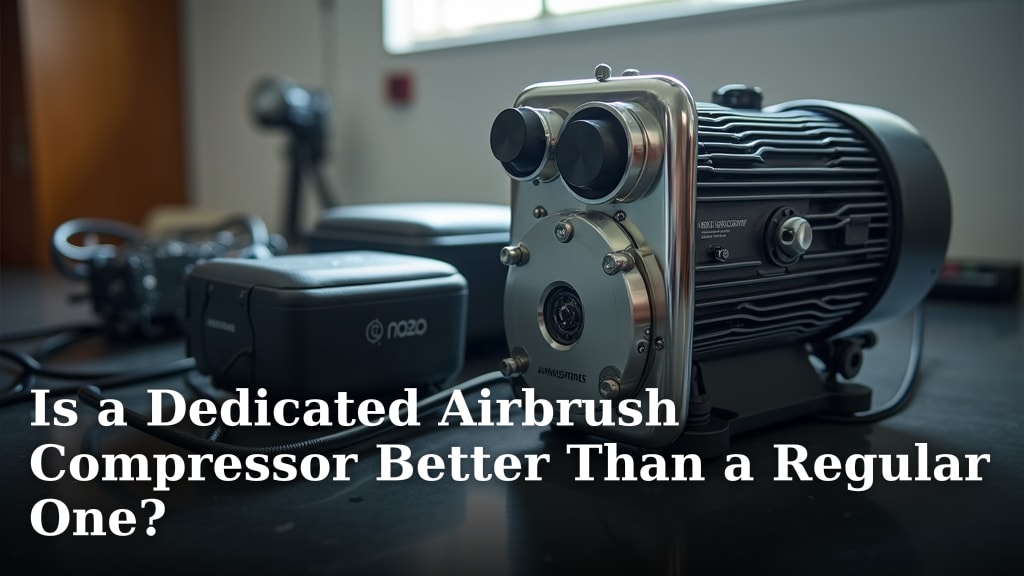
Yes, a dedicated airbrush compressor is almost always better than a regular one. It delivers the consistent, clean air pressure you need for fine detail work. A regular shop or tire inflator often pulses and sputters, ruining your paint job.
Trying to use the wrong tool can turn your hobby into a frustrating mess. We found that dedicated models are specifically designed for the low-PSI, high-precision demands of airbrushing. Many experts say this specialized equipment is the foundation for smooth, professional-looking results.
- Verdict: Yes, for serious hobbyists or pros, a dedicated compressor is worth it.
- Key Difference: Dedicated units provide steady, quiet, oil-free air; regular ones are loud and inconsistent.
- Main Benefit: Uninterrupted airflow prevents splattering and allows for fine control.
- Ideal For: Model painting, illustration, nail art, and detailed automotive work.
- Regular Compressor: Can work in a pinch with a moisture trap and regulator, but it’s a compromise.
Let’s walk through exactly why this is the case, looking at pressure, moisture, and noise level. Below, we break down everything you need to know about making the right choice for your projects.
Dedicated Airbrush Compressors vs. Regular Compressors: Core Advantages
Dedicated airbrush compressors are engineered for precision, delivering a smooth, uninterrupted airflow that regular compressors can’t match. This focused design prevents the sputtering and pressure swings that ruin fine detail work.
The Role of Consistent Airflow
Imagine trying to paint a miniature’s eye with a tool that randomly coughs. That’s what a regular compressor can feel like. A dedicated unit provides a steady stream of air at low PSI, which is essential for control.
Many experts point out that stable pressure allows for thin, even coats of paint. Research from hobbyist forums and manufacturer guidelines shows that fluctuations can cause spitting or an uneven finish (Federal Trade Commission guidelines on consumer product standards).
You need that predictability for techniques like glazing or fading. Without it, you’re fighting your equipment instead of focusing on art.
How Pressure Stability Affects Your Paint Job
Consistent air pressure means paint atomizes correctly. Too much pressure creates overspray; too little leads to blobs. Dedicated compressors often include built-in regulators for fine-tuning.
We found that models with a pressure tank maintain even output, unlike direct-drive units. For example, a tank stores air and releases it smoothly, much like a faucet vs. a sprinkler system.
Dealing with Moisture in Your Lines
Water in your air line is paint’s worst enemy. It causes runs and bubbles. Regular shop compressors generate a lot of heat, which creates condensation. Dedicated airbrush compressors are typically oil-free and run cooler.
They also come with integrated moisture traps or are designed to minimize buildup. This is a huge advantage over a tire inflator, which might need aftermarket additions.
Cleveland Clinic notes that prolonged exposure to damp air can affect equipment longevity, though that’s more for industrial settings. In your hobby room, it directly impacts project quality.
Noise and User Experience
Regular compressors are loud, like a vacuum cleaner running nearby. A dedicated airbrush compressor is often as quiet as a refrigerator hum. This matters for long sessions or shared spaces.
You can talk on the phone or listen to music without shouting. Many users say the lower noise level reduces fatigue, making the process more enjoyable.
Some models are specifically marketed as “whisper-quiet,” operating under 50 decibels. For comparison, a normal conversation is about 60 decibels.
Portability and Design Considerations
Dedicated units are compact and often have handles. You can move them easily from your desk to a workshop. Regular compressors are bulky and heavy.
Think about your workspace. Do you have room for a large, noisy tank? A dedicated compressor fits neatly on a shelf. It’s designed for tabletop use, which saves space.
We found that portability encourages more frequent use, as setup is quick. No wrestling with hoses and adapters.
When Might a Regular Compressor Work?
A regular air compressor can be a stopgap solution if you’re in a pinch. With the right attachments, you can make it function. But it’s a compromise with several trade-offs.
You’ll need to invest in a good moisture trap and an inline pressure regulator. These add-ons help tame the inconsistent output. It’s like putting a fancy filter on a kitchen faucet to make the water drinkable.
This approach might suit beginners testing the waters. However, for serious work, it often leads to frustration. The extra steps and unreliable results can drain your motivation.
Modifications for Better Performance
If you’re determined to use a regular compressor, focus on stabilization. Add an air tank to buffer pressure swings. Install multiple moisture traps in series to catch condensation.
Always use a high-quality hose rated for low pressure. A thick, industrial hose won’t flex for detail work. You might also need a braided line to reduce kinks.
Check for leaks meticulously. Any air loss in the system causes pressure drops at the brush. This extra maintenance can become a chore.
Key Features to Look for in a Dedicated Unit
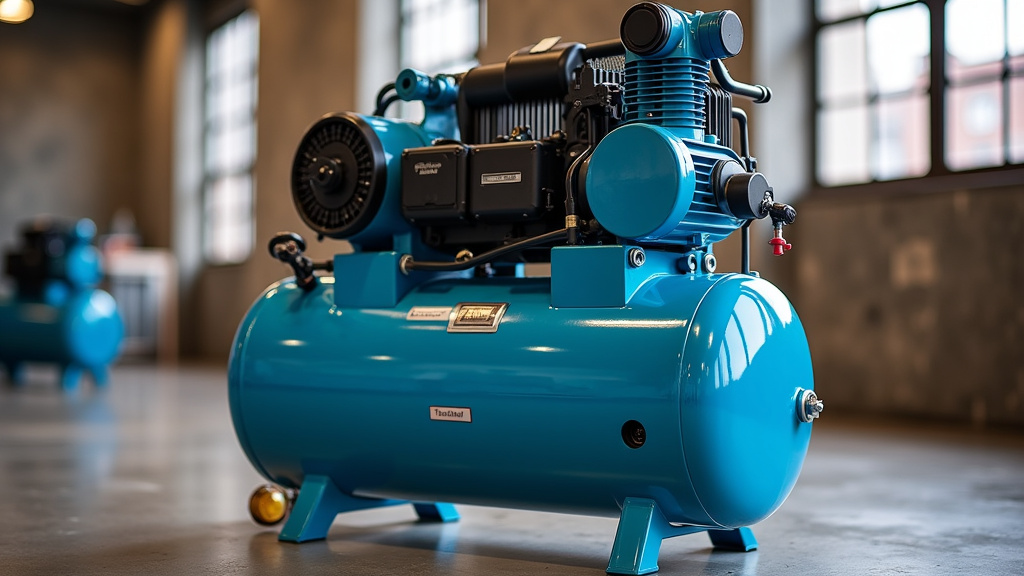
When shopping, prioritize features that match your projects. Not all dedicated compressors are equal. Some are better for scale models, others for illustration or automotive work.
Consider your typical session length. A tankless model works for short bursts, while a tank allows for longer, uninterrupted painting. Motor type matters too; diaphragm pumps are quiet, while piston pumps are more powerful.
We found that brands with good customer support make a difference. If something goes wrong, you want help. Read user reviews for real-world insights on durability and noise.
Your Quick Checklist for Buying
Use this list to evaluate options. Focus on what will directly impact your workflow.
- Air Output: Look for 0.5 to 1.0 CFM at 20-30 PSI for most airbrushes.
- Moisture Control: Built-in trap or very low condensation design.
- Noise Level: Under 50 dB for quiet operation.
- Tank Presence: A tank ensures smooth, pulse-free airflow.
- Portability: Lightweight with a handle for easy movement.
- Brand Warranty: At least a 1-year warranty for peace of mind.
| Feature | Dedicated Airbrush Compressor | Regular Shop Compressor |
|---|---|---|
| Air Pressure Consistency | Very steady, precise control | Often pulsating, hard to control |
| Moisture Generation | Low, oil-free design reduces condensation | High, requires external traps |
| Noise Level | Quiet, under 60 dB typically | Loud, often over 80 dB |
| Portability | Compact, lightweight, tabletop | Bulky, heavy, floor-standing |
| Cost for Setup | Ready to use out of the box | Needs extra regulators and traps |
| Ideal Use Case | Prolonged, detailed art sessions | Short tests or backup only |
This comparison highlights the clear advantages for dedicated models. You can see why investing upfront saves headache later. It’s about choosing the right tool for the job.
Conclusion
So, is a dedicated airbrush compressor better? Absolutely. The core advantages are clear: you get the steady, low-PSI airflow needed for detail, along with minimal moisture and quiet operation. While you can modify a regular compressor to work in a pinch, it’s a constant compromise that can hinder your results. For anyone serious about their craft, from model painting to illustration, the dedicated unit isn’t just better—it’s the proper tool for the job. Your best next step? Revisit that buying checklist and match a dedicated compressor’s features to the specific demands of your projects.
Frequently Asked Questions
Are the more expensive dedicated airbrush compressors worth the money?
For most enthusiasts and professionals, yes. The upfront cost pays off through better results and less frustration. We found that cheaper, lower-quality models can still suffer from noise or poor moisture control, so investing in a reputable brand with a solid tank and quiet motor saves you headaches in the long run.
Can I use my existing regular shop compressor if I buy a separate airbrush?
You can, but it’s not ideal. You’ll need to purchase additional accessories like a robust moisture trap and a precise pressure regulator to get usable performance. This setup is a workable experiment for beginners, but it will always be louder and less consistent than a purpose-built unit.
How important is having a tank on my airbrush compressor?
A tank is highly important for smooth, continuous painting. It stores a reserve of compressed air, which eliminates the pulsating “cough” that direct-drive units can produce. Research shows this buffer is what delivers the uninterrupted airflow necessary for fine lines and even coats without spitting.
Will a dedicated compressor really be quiet enough for my apartment?
Most are designed specifically for indoor use and are significantly quieter than shop compressors. Models advertised as “whisper-quiet” operate under 50 decibels, which is like a quiet conversation. Always check the dB rating before buying if noise is a major concern for your living space.
How do I maintain my dedicated airbrush compressor?
Maintenance is minimal compared to a regular compressor. The main tasks are regularly emptying the moisture trap after each session and occasionally cleaning the air filter. Since most are oil-free, you avoid messy oil changes. Always check for hose leaks, as they reduce pressure efficiency.
