
What Is the Best Air Compressor for Airbrush Makeup Artists?
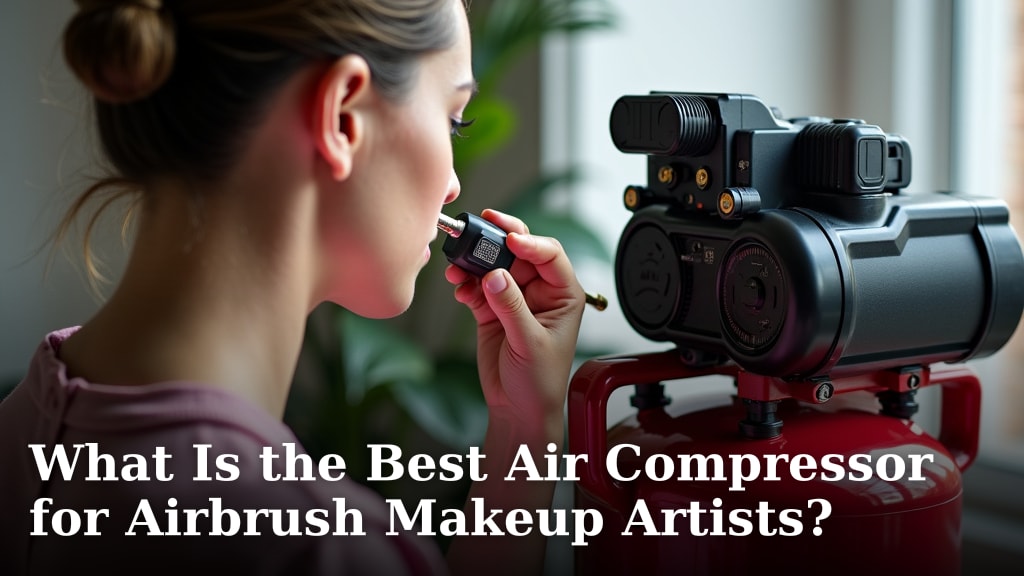
The best air compressor for airbrush makeup artists is typically a quiet, oil-free diaphragm or piston compressor with a small air tank and adjustable pressure. These features ensure a consistent airflow and precise control, which are essential for detailed makeup application. You need reliability and a compressor that won’t disrupt your workspace.
Choosing the right air compressor for airbrush makeup can feel overwhelming with so many options. You might wonder about noise levels, portability, and how much pressure you really need. We found that a good compressor provides a smooth, uninterrupted air stream without being bulky or loud.
TL;DR:
- Look for quiet, oil-free diaphragm or piston compressors.
- Ensure it has an adjustable pressure regulator for fine control.
- A small air tank helps maintain steady pressure.
- Portability is a big plus for makeup artists on the go.
- Avoid loud or vibrating models to maintain a calm work environment.
Let’s walk through exactly what makes an air compressor ideal for your airbrush makeup artistry, helping you make the best choice.
Picking the Perfect Air Compressor for Your Makeup Artistry
Choosing the right air compressor for airbrush makeup is a key step in perfecting your craft. It impacts your work’s quality and your comfort. We found that the best models balance power, quiet operation, and portability. Think about where you’ll use it most and what kind of makeup looks you create.
Understanding Air Compressor Types
There are a few main types of air compressors. Each has its own pros and cons for airbrush makeup. Let’s look at the most common ones you’ll encounter. Understanding these differences helps you make a smart choice.
Diaphragm Compressors: Your Quiet Companion
Diaphragm compressors are often recommended for airbrush makeup. Why? They are typically very quiet. This is a huge plus when you’re working close to a client’s face. They use a flexible membrane (diaphragm) to compress air. This means no oil is needed, keeping your workspace clean. You won’t have to worry about oil residue or messy maintenance. Many artists appreciate their compact size and light weight, too.
Piston Compressors: Power with a Pinch of Noise
Piston compressors are another common type. They use a piston moving up and down to compress air. Some are oil-lubricated, but for airbrush makeup, oil-free piston compressors are best. Oil-free models avoid contaminating your makeup. They can be a bit louder than diaphragm types but often deliver a steady, strong airflow. If you need more power for longer sessions, a piston compressor might be a good fit. Look for models designed for quiet operation.
Tank vs. Tankless Compressors: Steady Flow or Portability?
This is an important decision. Tankless compressors are small and light. They provide air on demand. The downside? The air pressure can fluctuate slightly. This might cause pulsing in your airbrush. Tank compressors, even small ones, store compressed air. This storage means a smoother, more consistent airflow. It helps avoid those annoying pulses. We found that even a small 0.5-gallon tank makes a big difference. For precision makeup work, a tank is usually better.
Key Features to Look For in an Airbrush Compressor
Now that you know the types, let’s discuss the must-have features. These elements ensure your compressor meets the demands of airbrush makeup. Don’t compromise on these points.
Noise Level: Keep it Low
Imagine trying to talk to your client over a loud machine. Not ideal, right? Noise level is critical for airbrush makeup artists. You want a compressor that runs quietly. Look for models advertised as “silent” or with very low decibel ratings (dB). Anything under 50 dB is usually considered good. Many artists prefer compressors around 40 dB for a truly peaceful experience. This makes your client more comfortable and helps you concentrate.
Air Pressure (PSI) and Flow (CFM): What You Really Need
Don’t get caught up in compressors with super high PSI. For airbrush makeup, you typically need low to moderate pressure. Most airbrushes operate well between 10-30 PSI. A compressor with an adjustable regulator is vital. This lets you fine-tune the pressure for different makeup products and effects. A higher CFM (Cubic Feet per Minute) rating indicates more airflow. For makeup, a CFM of 0.5 to 1.0 is generally sufficient. Too much airflow can waste product and cause overspray.
Adjustable Pressure Regulator: Your Precision Tool
This feature is non-negotiable. An adjustable pressure regulator allows you to change the air pressure precisely. Why is this so important? Different makeup products and application techniques require different pressures. For fine details, you need lower pressure. For broader coverage, you might need a bit more. This regulator gives you full control. It’s like having a dimmer switch for your airbrush power.
Air Tank Size: Small but Mighty
As we discussed, a small air tank helps maintain steady pressure. For airbrush makeup, you don’t need a huge tank. A 0.5 to 1-gallon tank is often perfect. This size provides a consistent air supply without being bulky. It also prevents the compressor from cycling on and off too frequently. Frequent cycling can be noisy and distracting. A small tank acts as a buffer, ensuring a smooth, uninterrupted spray.
Portability and Maintenance Considerations
Your work might take you to different locations. Or maybe you have a small studio. Portability and ease of maintenance are factors that often get overlooked but are very important.
Size and Weight: On the Go or Stationary?
Are you a mobile makeup artist? If so, portability is key. Look for lightweight, compact compressors that are easy to carry. Models with built-in handles are a bonus. If your compressor stays in one spot, size might be less critical. However, even for stationary use, a smaller footprint can save valuable workspace. We found that many artists appreciate models that fit neatly on a tabletop or small cart.
Oil-Free Operation: Keeping it Clean
We’ve touched on this, but it bears repeating. An oil-free compressor is essential for airbrush makeup. Oil-lubricated compressors can potentially introduce oil particles into your air stream. This is a big no-no for makeup application. It can contaminate your products and your client’s skin. Oil-free models also require less maintenance. You won’t have to check or change oil, making your life much simpler.
Moisture Trap/Filter: Combatting Humidity
Air contains moisture. When air is compressed, this moisture can condense into water. If this water gets into your airbrush, it can cause sputtering and ruin your makeup application. A moisture trap or in-line filter removes this condensation before it reaches your airbrush. This is especially important in humid climates. Always look for a compressor with this feature, or consider adding one separately. To ensure longevity and prevent moisture issues, it’s important to regularly drain your air compressor.
Your Air Compressor Checklist for Makeup Artists
To help you choose, here’s a quick checklist of the most important features. Use this when you’re comparing different models. It will guide you to a smart purchase.
- Quiet Operation: Under 50 dB is ideal.
- Oil-Free: Absolutely essential for clean makeup application.
- Adjustable Pressure Regulator: For precise control (10-30 PSI range).
- Small Air Tank (0.5-1 Gallon): For consistent, pulse-free airflow.
- Compact and Portable: Especially if you travel for work.
- Moisture Trap/Filter: To prevent water in your airbrush.
| Feature | Why it Matters for Airbrush Makeup | Ideal Specification |
|---|---|---|
| Noise Level | Client comfort and professional environment | Below 50 dB (quieter is better) |
| Compressor Type | Smooth airflow and cleanliness | Oil-free diaphragm or piston |
| Air Tank | Consistent pressure, no pulsing | 0.5 to 1 gallon (or integrated small tank) |
| Adjustable Pressure | Precision for different makeup tasks | Regulator with 0-30 PSI range |
| Portability | Ease of transport for mobile artists | Lightweight, compact, with handle |
| Moisture Trap | Prevents water marks and sputtering | Included or easily attachable |
Conclusion
Choosing the best air compressor for your airbrush makeup artistry truly enhances your work and client experience. We found that prioritizing a quiet, oil-free model with an adjustable regulator and small air tank will serve you best. These features combine to give you the precise control and consistent airflow needed for flawless applications.
Your ideal compressor will be a reliable, quiet partner in your creative process. Review the checklist and table we provided to compare models effectively. With the right compressor, you’ll feel more confident and professional with every airbrush stroke.
Frequently Asked Questions
How often should I clean my airbrush compressor?
Generally, airbrush compressors require very little cleaning. For oil-free models, simply wipe down the exterior as needed. If you have a moisture trap, drain it regularly to prevent water buildup, especially in humid conditions.
Can I use any airbrush with any compressor?
Most airbrushes are compatible with standard air compressors, but ensure your compressor has an adjustable pressure regulator. This allows you to set the specific PSI required by your airbrush and makeup products, preventing damage or poor application.
What’s the average lifespan of an airbrush compressor?
The lifespan of an airbrush compressor varies by quality and usage. Well-maintained, good-quality oil-free models can last for many years, often 5-10 years or more. Proper care, like draining moisture traps, extends their life.
Do I need a separate airbrush cleaner if my compressor has a moisture trap?
Yes, a moisture trap prevents water from entering your airbrush, but it doesn’t clean makeup residue. You still need to clean your airbrush gun after each use to prevent clogging and ensure smooth operation for your next client.
Is it worth investing in a more expensive “silent” compressor?
Many makeup artists find the investment in a truly silent compressor worthwhile. A quiet environment improves client comfort and allows for better communication during sessions. It also creates a more professional and serene workspace.
