Why Is My Husky 2 Gallon Air Compressor So Loud?
A very loud Husky 2 gallon compressor may be vibrating against a hard surface, have loose parts, or be developing a mechanical fault. Turn it off if the sound is new, harsh, or paired with heat, a burning smell, or poor performance.
On this page (7 sections)
- Why is my Husky 2 gallon air compressor so loud?
- What should I check before running it again?
- Which sounds suggest a mechanical problem?
- How do I tell normal noise from a problem?
- Do these other compressors help with a quieter setup?
- When should I contact Husky or a repair technician?
- What should I do about a very loud Husky 2 gallon compressor?
A very loud Husky 2 gallon compressor may be vibrating against a hard surface, have loose parts, or be developing a mechanical fault. Turn it off if the sound is new, harsh, or paired with heat, a burning smell, or poor performance.
First separate ordinary motor and pump noise from a change in how the compressor sounds. A small tank does not make a compressor silent, but banging, grinding, or a sharp squeal should not be ignored.
Why is my Husky 2 gallon air compressor so loud?
A Husky 2 gallon air compressor may sound loud because normal motor and pump noise is amplified by vibration, or because something has loosened or worn. The sound's timing and quality can help narrow down what to check.
A steady hum or buzz while the pump runs may be ordinary operation. Rattling can come from a loose accessory, panel, or nearby item, while repeated knocking or grinding can signal a problem inside the pump or motor.
Sound can also carry through a work surface or floor. If the compressor sits close to a wall, bench, or stored tools, contact between vibrating parts can add a clatter.
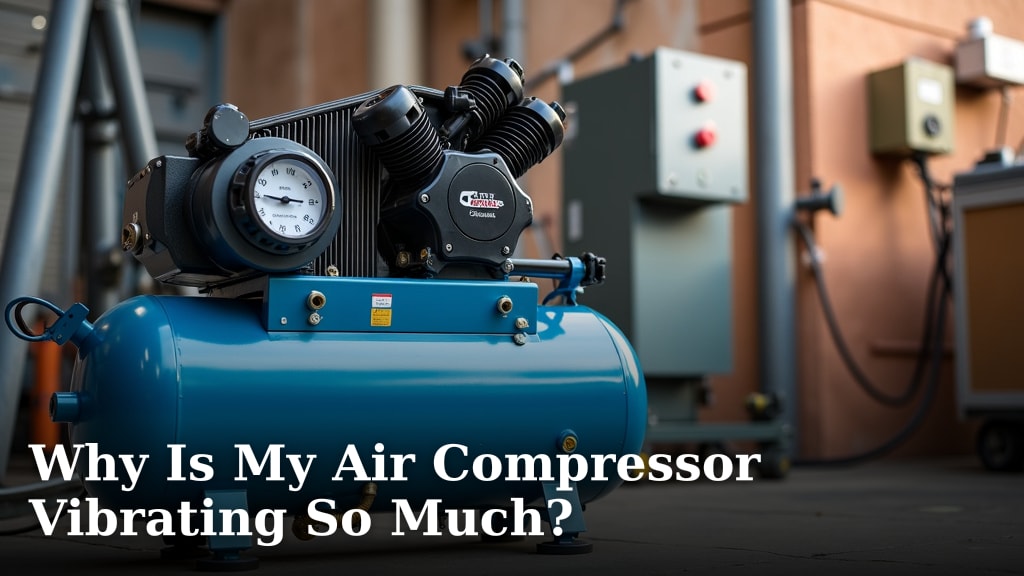
For a wider checklist that applies across compressor types, see Why Is My Air Compressor So Loud?. If the noise comes with strong shaking, Why Is My Air Compressor Vibrating So Much? covers likely vibration causes.
What should I check before running it again?
Check the compressor's footing, nearby objects, and external accessories after switching it off and unplugging it. Follow the Husky manual for safe shutdown, cooling, and any inspection steps.
Set the unit on a firm, level surface with space around it. Move loose items away, and check that the hose or other accessories aren't striking the housing or floor as the compressor runs.
Look for visible damage, loose fasteners, or a panel that appears out of place. Don't remove covers or reach into moving or electrical parts unless the manual specifically instructs you to do so.
If you need a refresher on normal setup and operation, follow How To Use Husky 2 Gallon Air Compressor?. That can help you compare the way the compressor is installed and used with its instructions.
Does a hard floor make a compressor sound louder?
A hard floor can make vibration easier to hear because it carries sound through the surface. Keep the compressor stable and level, and don't place it on a soft or unstable surface to muffle it.
A padded mat may reduce transmitted vibration only if the manual allows it and the unit remains secure. Never block vents or wrap the compressor to suppress noise, since the motor needs airflow.
Which sounds suggest a mechanical problem?
Grinding, repeated knocking, or a sharp squeal is more concerning than a steady operating hum. Stop the compressor and check the manual if the sound is new or keeps returning.
A loose external part can rattle, but a sound that tracks the pump cycle or changes under load may need service. Don't run the compressor repeatedly to see whether a harsh noise goes away.
A change in sound paired with weak pressure, a hot motor, a burning odor, or frequent shutdowns is a reason to stop using the unit. Our guide to What Does A Bad Air Compressor Sound Like? explains warning sounds in more detail.
Can I open the pump to find the noise?
Don't open the pump or electrical housing unless Husky's instructions identify a user-serviceable step. Compressed air and electrical components can create serious hazards, and internal repairs may require a qualified technician.
You can note when the sound starts, whether the tank is filling, and whether pressure builds normally. Share those observations with service personnel rather than continuing to run a noisy unit.
How do I tell normal noise from a problem?
Normal noise is generally consistent with the compressor's usual motor and pump sound. A sudden change in pitch, rhythm, or intensity is more useful than loudness alone.
A compressor may be louder in a small room with hard walls than in an open, clear area. Compare it in the same setup, and listen for changes during startup, tank filling, and shutoff.
If it will not restart after draining, see restart troubleshooting after draining.
Do not judge safety from sound alone. If you notice heat, smell, visible damage, or pressure trouble, stop and use the manual's troubleshooting guidance.
Do these other compressors help with a quieter setup?
These products are alternatives to consider when the Husky's noise is prompting you to compare compressor styles; they won't diagnose or repair a noisy Husky. Check each unit's specifications and suitability for your tools before choosing one.
When should I contact Husky or a repair technician?
Contact Husky support or a qualified repair technician if the compressor keeps making a harsh noise after external checks, or if it has a burning smell, visible damage, or trouble building pressure. Keep the model information and a short description of when the sound occurs handy.
Do not bypass a safety device or attempt repairs on pressure or electrical parts without the proper instructions and skills. If the compressor is under warranty, ask Husky about the approved service process before opening or modifying it.
If you're comparing a related Husky model, How To Use Husky 3 Gallon Air Compressor? covers basic operation for that unit. Its instructions may differ from those for your 2 gallon compressor.
What should I do about a very loud Husky 2 gallon compressor?
For a very loud Husky 2 gallon compressor, first unplug it and check the surface, clearance, and visible external parts. Resume only if the sound matches normal operation and there are no signs of damage, heat, odor, or performance trouble.
Stop and seek service for grinding, repeated knocking, persistent squealing, or any noise paired with poor pressure. Use the manual to guide checks, and choose a quieter alternative only if a different compressor better fits your tools and workspace.
Frequently asked questions
Why is my Husky 2 gallon air compressor so loud?
A Husky 2 gallon compressor can sound loud because its motor and pump create operating noise, or because vibration is amplified by a hard floor, loose panel, or nearby object. A new knocking, grinding, or squealing sound may point to a fault.
Switch it off and check the manual before investigating.
Is it normal for a small air compressor to be loud?
Some motor and pump noise is normal, even on a small compressor. A sudden change, sharp squeal, repeated knock, or rattling that continues after the unit is stable deserves attention.
Compare the sound with the manual's guidance, and stop using the compressor if it also overheats or loses pressure.
Can I make my Husky compressor quieter?
You can reduce some transmitted noise by placing the compressor on a firm, level surface, keeping it clear of walls and loose items, and securing accessories as the manual directs. Don't cover the motor or block ventilation to muffle sound.
Stop if the noise points to a mechanical problem.
When should I stop using a noisy compressor?
Stop and unplug the compressor if it makes a new grinding, knocking, or squealing sound, smells hot or burnt, trips power, or fails to build pressure as usual. Let it cool and follow the manual's troubleshooting steps.
Get qualified service if the cause isn't clear or repair involves electrical or pressure parts.