What Is the Best Air Compressor for a Home Woodshop?
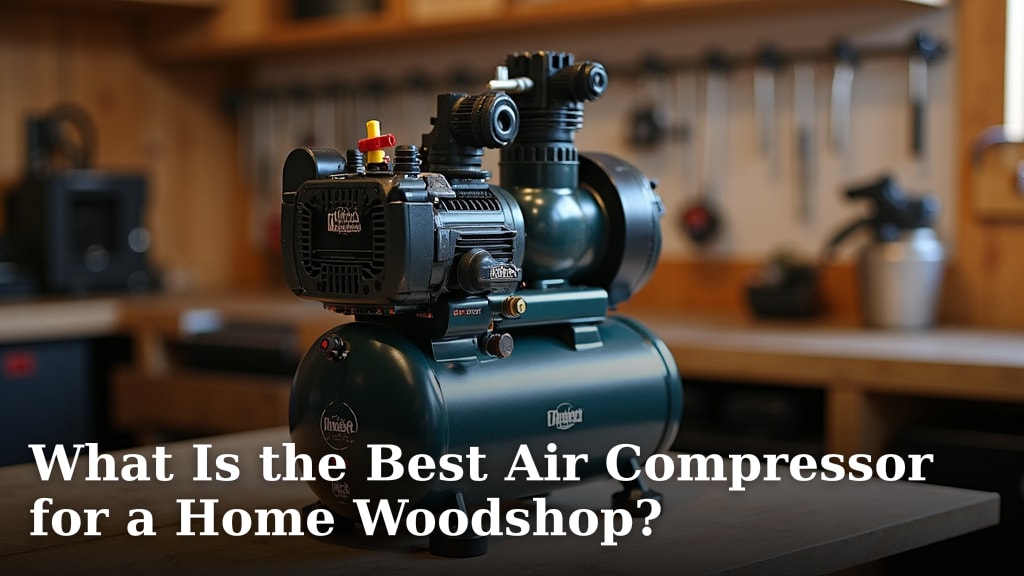
The best air compressor for your home woodshop is typically a 20-30 gallon, 110-130 PSI model. This size offers enough power for most woodworking tools like nail guns and impact wrenches. You’ll want a compressor that’s oil-lubricated for longer life and quieter operation. Look for one with a high CFM (Cubic Feet per Minute) rating. This ensures it can keep up with demand.
Choosing the right air compressor is key to a smooth woodworking experience. It powers many essential tools, from sanders to sprayers. We found that matching the compressor’s specs to your tool’s needs prevents frustration. A good air compressor makes your projects much more enjoyable and efficient. Think about the tools you use most often. Then, find a compressor that can handle them all.
- A 20-30 gallon, 110-130 PSI compressor is usually best.
- Oil-lubricated models last longer and are quieter.
- High CFM ratings are important for continuous tool use.
- Consider the specific tools you plan to power.
- Matching compressor specs to tool needs is vital.
Let’s dive into what makes an air compressor a great fit for your woodshop. We’ll cover the key features to look for and some common options.
Choosing the Right Air Compressor for Your Woodshop Needs
Finding the perfect air compressor for your home woodshop can feel like searching for a needle in a haystack. You need power, reliability, and the right specs for your tools. We’ve researched what makes a compressor a winner for DIYers and hobbyists alike.
The sweet spot for most home woodshops often falls within a 20-30 gallon tank size. This provides enough air volume to prevent the compressor from running constantly. It’s a good balance between portability and storage capacity for most garages and basements.
Understanding Air Compressor Specifications
Before you buy, let’s break down the numbers. They tell the story of how well a compressor will perform with your tools. Think of these specs as your cheat sheet.
PSI: The Pressure Factor
PSI stands for Pounds per Square Inch. This measures the air pressure. Most woodworking tools operate effectively between 90 and 100 PSI. You’ll want a compressor that can deliver at least 110-130 PSI. This gives you a buffer and ensures your tools get consistent pressure, even when the tank isn’t completely full.
CFM: The Airflow Champion
CFM is short for Cubic Feet per Minute. This is arguably the most critical spec. It tells you how much air the compressor can deliver. A higher CFM rating means more air. This is essential for tools that use a lot of air, like sanders or paint sprayers.
Your tools will have a CFM requirement listed. You need a compressor that meets or exceeds this number. For example, if your brad nailer needs 2 CFM at 90 PSI, your compressor should provide at least that much. Many experts say you should look for a compressor that offers about 50% more CFM than your tool’s requirement. This ensures it can keep up without struggling.
Horsepower (HP): A Common, But Sometimes Misleading, Metric
Horsepower (HP) indicates the motor’s power. While it’s a common spec, it can sometimes be a bit of a marketing gimmick. Don’t rely on HP alone. A high HP motor doesn’t always mean a high CFM output. Always prioritize CFM and PSI over horsepower when comparing compressors.
Oil-Lubricated vs. Oil-Free Compressors
This is a big decision that impacts noise and lifespan. We found that most woodworkers prefer oil-lubricated models. Let’s see why.
Oil-Lubricated Air Compressors
These compressors use oil to keep the internal parts lubricated. This reduces friction and wear. As a result, they tend to be quieter and last longer. Many people find the consistent lubrication makes them more reliable for demanding jobs. The trade-off is that they require regular maintenance, like oil changes.
Oil-Free Air Compressors
Oil-free compressors are generally lighter and require less maintenance. You don’t have to worry about checking or changing the oil. However, they are typically louder. The lack of lubrication can also mean a shorter lifespan compared to their oiled counterparts. They might be a good choice for very light-duty tasks or if noise is a major concern, but for a woodshop, oil-lubricated is usually preferred.
Tank Size Matters: How Much Air Do You Need Stored?
The tank is like an air reservoir. It stores compressed air for your tools to use. The size of the tank affects how often the compressor motor has to turn on.
Smaller Tanks (1-10 Gallons)
These are portable and good for very basic tasks. Think inflating tires or powering a single brad nailer for short bursts. They don’t hold much air, so the motor cycles on and off frequently. This can be annoying and put wear on the motor.
Medium Tanks (20-30 Gallons)
This is the sweet spot for most home woodshops. A 20-30 gallon tank provides enough stored air to run tools for longer periods. You won’t hear the motor kicking on and off every few minutes. This size is still manageable for moving around if needed, though it can be heavy.
Larger Tanks (40+ Gallons)
These are best for industrial settings or very heavy-duty use. They offer a large air reserve but are bulky and not very portable. For a typical home woodshop, this is usually overkill and takes up too much space.
Understanding CFM Ratings for Common Woodworking Tools
We know CFM is key. But what does that look like for your tools? Knowing this helps you pick the right compressor. Here’s a general idea:
| Tool | Average CFM @ 90 PSI | Suggested Compressor CFM |
|---|---|---|
| Brad Nailer / Pin Nailer | 0.3 – 0.7 CFM | 1.5 – 3 CFM |
| Stapler | 1.0 – 1.5 CFM | 2.5 – 4 CFM |
| Impact Wrench | 5.0 – 7.0 CFM | 7.5 – 10 CFM |
| Air Ratchet | 4.0 – 5.0 CFM | 6.0 – 8 CFM |
| Orbital Sander | 8.0 – 12.0 CFM | 12 – 18 CFM |
| Paint Sprayer (HVLP) | 8.0 – 15.0 CFM | 12 – 22 CFM |
| Die Grinder | 5.0 – 8.0 CFM | 7.5 – 12 CFM |
Remember, these are averages. Always check your tool’s manual for specific requirements. We found that planning for your most demanding tool is a smart move. It ensures you won’t be disappointed later.
Portability vs. Stationary: Where Will It Live?
Consider where your compressor will spend its life. This affects the type and size you should choose.
Portable Air Compressors
These are designed to be moved. They are often smaller and lighter. Some have wheels, making them easy to roll around your shop or even take to a job site. If you have limited space or need to use the compressor in different locations, a portable model might be best.
Stationary Air Compressors
These are larger, heavier units. They are meant to stay in one place. They often come with bigger tanks and more powerful motors. If you have a dedicated space for your compressor, a stationary unit can offer more power and a larger air reserve without the need for frequent refills.
Don’t Forget About Noise Levels!
Air compressors can be loud. Some sound like a small jet engine is taking off in your garage. If you work in a residential area or have neighbors close by, noise level is a big factor. Many oil-lubricated models are quieter than oil-free ones.
We found that some manufacturers now offer “quiet” models. These often use better insulation or different motor designs. Look for decibel (dB) ratings if this is a major concern for you. A compressor under 70 dB is generally considered quiet.
Key Features to Look For in Your Woodshop Compressor Checklist
To make your decision easier, here’s a quick checklist of what to prioritize:
- Tank Size: Aim for 20-30 gallons for versatility.
- PSI Output: Ensure it meets or exceeds 110-130 PSI.
- CFM Rating: Match or exceed your tool’s highest CFM requirement (add a buffer!).
- Lubrication Type: Oil-lubricated for durability and quieter operation.
- Portability: Consider if you need to move it around.
- Noise Level: Check dB ratings if noise is a concern.
Conclusion
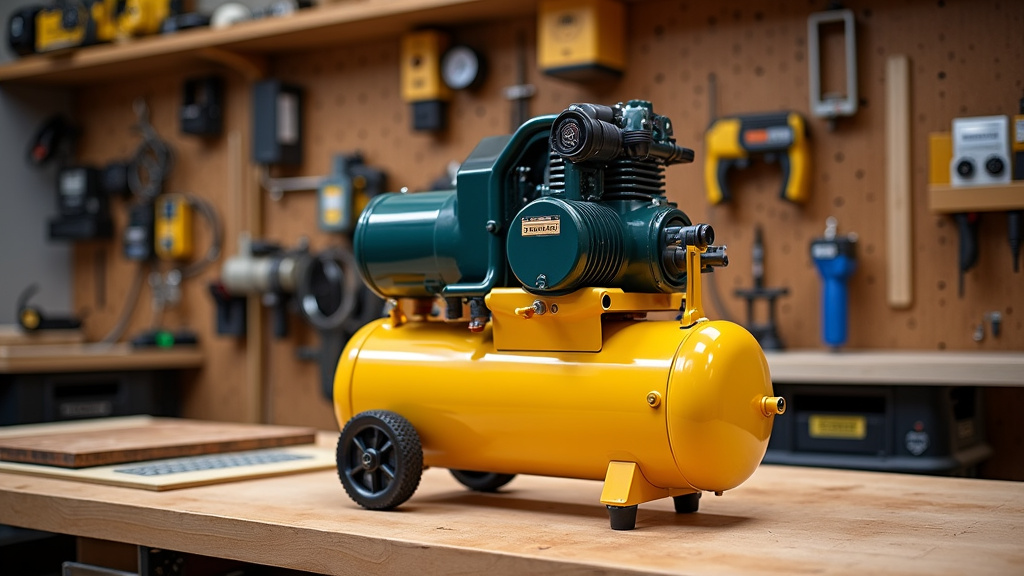
You’ve learned that the best air compressor for your home woodshop isn’t just about raw power, but about matching the specs to your tools. We found that a 20-30 gallon, 110-130 PSI model, preferably oil-lubricated, offers the best balance for most woodworking tasks. Prioritizing CFM is key to ensuring your tools run smoothly without interruption. Now that you know what to look for, take the next step: list your tools and their CFM needs. This will guide you to the perfect compressor that truly fits your woodshop.
Frequently Asked Questions
How much CFM do I really need for my air compressor?
You’ll need to check the CFM requirement for your most demanding tool and aim for a compressor that meets or exceeds that number. We suggest getting a compressor with about 50% more CFM than your tool’s requirement to ensure it can keep up easily.
Is an oil-lubricated compressor really better for a woodshop?
Yes, we found that oil-lubricated compressors generally last longer and run quieter than oil-free models. While they require a bit more maintenance, like oil checks, the increased durability is often worth it for woodworking.
Can I use a smaller air compressor for just a few tools?
For very light-duty tasks like occasional brad nailing, a smaller compressor might work. However, for consistent use or more demanding tools like sanders, a 20-30 gallon tank with a good CFM rating will prevent frustration.
What does PSI mean, and why is it important?
PSI, or Pounds per Square Inch, measures air pressure. Most woodworking tools operate best between 90-100 PSI, so a compressor delivering 110-130 PSI ensures consistent pressure for your tools.
How does the air compressor’s noise level affect my choice?
Noise can be a major factor, especially if you work in a shared space or residential area. Oil-lubricated models are typically quieter, and some manufacturers offer specific “quiet” models that operate below 70 dB.
