
What Size Air Compressor Do I Need for a Body Shop?
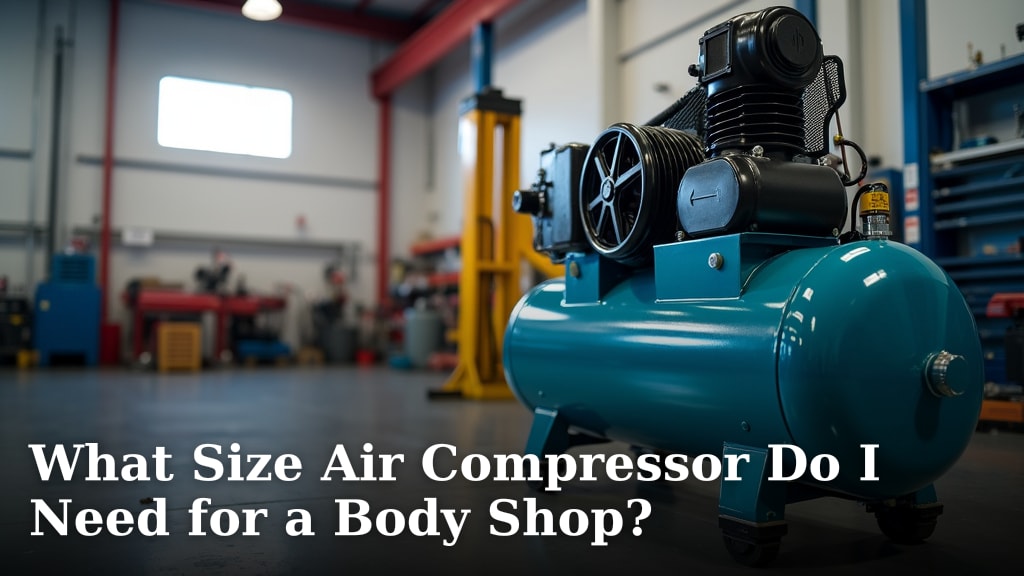
Choosing the right size air compressor for your body shop is key to keeping your tools running smoothly. For most auto body work, you’ll likely need an air compressor that delivers at least 5 to 10 horsepower and provides around 15 to 30 CFM (Cubic Feet per Minute) at 90 PSI. This ensures you have enough consistent airflow for demanding tools like sanders, grinders, and spray guns.
Getting this wrong can mean your tools sputter and lose power at the worst times. We’ve researched what body shops actually need to get the job done efficiently. The goal is to match compressor output to your tool requirements and your shop’s overall workflow. It’s about finding that sweet spot to avoid frustration and costly downtime.
- HP Matters: Look for 5-10 horsepower for most body shop needs.
- CFM is King: Aim for 15-30 CFM at 90 PSI for consistent tool performance.
- Tank Size: A larger tank (80+ gallons) helps maintain pressure during long jobs.
- Duty Cycle: Ensure the compressor can handle continuous use without overheating.
- Noise Level: Consider a quieter model if your shop is near residential areas.
Let’s walk through exactly what you should be looking for to make sure your next air compressor is the perfect fit for your body shop.
Choosing the Right Air Compressor Size for Your Body Shop
Picking the correct air compressor is more than just a purchase; it’s an investment in your shop’s productivity. We’ve researched what auto body professionals truly need to keep their operations running smoothly. The goal is to match compressor output to your tool requirements and your shop’s overall workflow. Getting this wrong can lead to tools sputtering and losing power when you least expect it.
Understanding Airflow: CFM and PSI Explained
When you’re looking at air compressors, two numbers will keep popping up: CFM and PSI. Think of CFM (Cubic Feet per Minute) as the sheer volume of air your compressor can deliver. Your tools need a steady stream of this air. PSI (Pounds per Square Inch) is the pressure, or how hard that air is pushing. Most body shop tools operate best around 90 PSI.
Why is CFM so important for a body shop? Many of your tools, like sanders and spray guns, are air hogs. They consume a lot of air volume to function correctly. If your compressor can’t keep up, your tools will perform poorly. You might experience reduced efficiency, meaning jobs take longer. We found that most body shops need a compressor that can provide at least 15 to 30 CFM at 90 PSI for their most demanding tools.
Matching CFM to Your Tools
Different tools have different appetites for air. A simple blow gun uses very little air. However, a DA sander, an orbital polisher, or a spray gun can suck up air rapidly. You’ll want to look at the specifications for your most frequently used and air-hungry tools. Add up their CFM requirements. Then, aim for a compressor that can comfortably exceed that total.
Many experts suggest adding a buffer of about 30-50% to your tools’ combined CFM needs. This buffer ensures your compressor isn’t working at its absolute limit all the time. It also accounts for potential air leaks in your system. A compressor that’s constantly maxed out might overheat and wear out faster. We found that this buffer is key for long-term reliability.
The Role of Tank Size
The tank on an air compressor acts like a reservoir. It stores compressed air, allowing your compressor motor to cycle on and off rather than running constantly. For a body shop environment, a larger tank is usually better. A bigger tank means you can run tools for longer periods before the pressure drops significantly.
We found that for typical body shop tasks like sanding or painting, a tank size of 80 gallons or more is often recommended. Smaller tanks (under 50 gallons) might be sufficient for very light intermittent use, but they’ll likely lead to frequent motor cycling. This can cause pressure drops and interrupt your workflow. Think of it like a small water bottle versus a large jug – the larger one lets you drink for longer.
Horsepower: What It Means for Your Shop
Horsepower (HP) is a common metric for compressors, but it’s not the whole story. It generally relates to the power of the motor driving the compressor. A higher HP motor can often produce more CFM and PSI. However, a high HP motor on a poorly designed pump won’t be as effective as a slightly lower HP motor on a more efficient pump.
We found that for most auto body work, you’ll want to look for compressors in the 5 to 10 horsepower range. This range generally provides enough power to meet the CFM requirements for common body shop tools. Smaller HP units might struggle with continuous use, while excessively large HP units might be overkill and consume too much electricity.
Understanding Duty Cycle for Continuous Operation
This is a really important, often overlooked, specification for professional use. The duty cycle tells you how long a compressor can run continuously before needing to cool down. It’s usually expressed as a percentage. For example, a 75% duty cycle means the compressor can run for 7.5 minutes out of every 10 minutes.
In a busy body shop, you’ll often have tools running for extended periods, especially during sanding or painting. We found that you need a compressor with a 100% duty cycle for these kinds of demanding applications. This means it’s designed to run continuously without overheating. A compressor with a lower duty cycle will frequently shut down to cool, leading to frustrating interruptions.
| Tool | Average CFM @ 90 PSI | Minimum Tank Size Recommendation |
|---|---|---|
| Air Ratchet | 3-5 CFM | 20-30 Gallons |
| DA Sander (5″) | 8-12 CFM | 60-80 Gallons |
| Orbital Sander (Varying sizes) | 6-10 CFM | 60-80 Gallons |
| Impact Wrench | 5-8 CFM | 50-60 Gallons |
| Spray Gun (HVLP) | 8-12 CFM | 80+ Gallons |
| Die Grinder | 4-7 CFM | 40-50 Gallons |
Single-Stage vs. Two-Stage Compressors
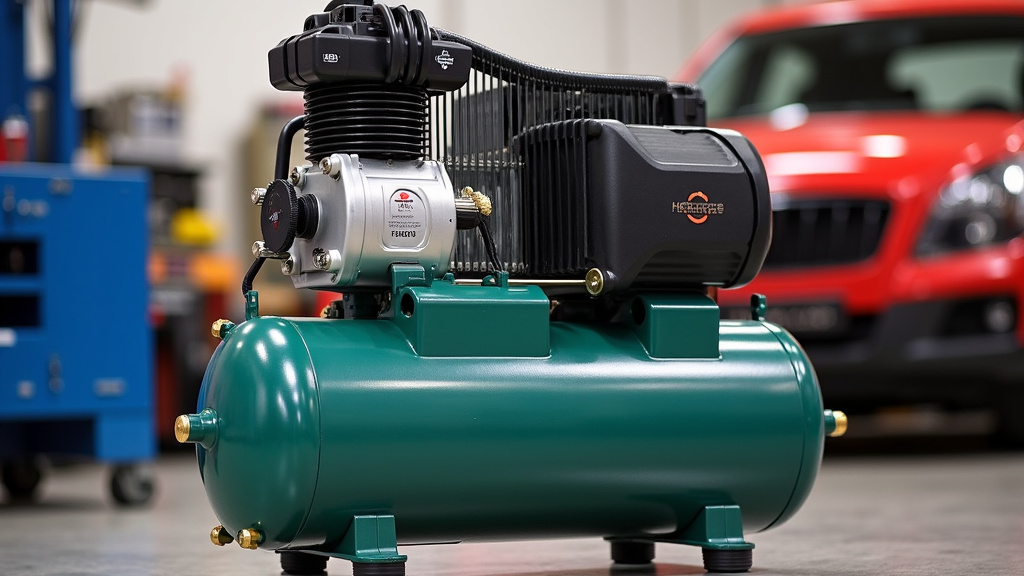
Compressors come in two main types: single-stage and two-stage. A single-stage compressor compresses air in one step. It’s generally better suited for DIY use or very light professional tasks. A two-stage compressor compresses air in two steps, cooling it between stages. This makes it more efficient and allows it to produce higher pressures with less strain.
For a body shop, we found that a two-stage compressor is almost always the better choice. They are built for continuous, heavy-duty use. They generate more CFM and PSI reliably, which is essential for running multiple air tools simultaneously or using high-demand tools like spray guns. While they might have a higher initial cost, their durability and performance justify the investment for professional environments.
Power Source Considerations
Most professional-grade compressors for body shops are electric. You’ll need to consider the power requirements. Many 5-10 HP compressors require 230-volt power, not standard 120-volt household outlets. Make sure your shop’s electrical setup can support the compressor you choose. Running a 230-volt compressor on an underpowered circuit can cause issues or damage.
Oil-Lubricated vs. Oil-Free
There are two main types of compressors regarding lubrication: oil-lubricated and oil-free. Oil-lubricated compressors tend to be quieter and last longer because the oil reduces friction and wear on the internal components. They require regular oil changes and checks.
Oil-free compressors are often lighter and require less maintenance regarding oil. However, they can be louder and may not last as long under heavy, continuous use. For the demanding environment of a body shop, we found that oil-lubricated, two-stage compressors offer the best balance of performance, longevity, and reliability.
Factors Beyond CFM and HP
While CFM and HP are your primary metrics, don’t forget other important features. Consider the noise level. Some compressors can be incredibly loud, which can be a real nuisance and even a safety concern over time. Look for models with good sound dampening if noise is a major issue in your shop.
Also, think about portability. Do you need to move the compressor around your shop? Some larger units are mounted on wheels, while others are stationary. Check the compressor’s physical dimensions and weight to ensure it fits your available space. We found that a well-placed compressor can improve workflow and reduce hassle.
Putting It All Together: A Quick Checklist
To make sure you’re on the right track, here’s a quick checklist:
- Assess your tools: List your most air-hungry tools and their CFM needs.
- Calculate total CFM: Add up requirements and add a 30-50% buffer.
- Check HP range: Aim for 5-10 HP for most body shop applications.
- Prioritize duty cycle: Look for a 100% duty cycle for continuous work.
- Choose two-stage: Opt for a two-stage, oil-lubricated model for durability.
- Verify electrical needs: Ensure your shop can handle the voltage (likely 230V).
Conclusion
Choosing the right air compressor for your body shop is all about matching your tools’ needs to the compressor’s output. You’ve learned that focusing on CFM at 90 PSI and considering horsepower is key. Remember that a robust two-stage, oil-lubricated compressor with a 100% duty cycle and at least an 80-gallon tank will serve your shop best. Don’t overlook your shop’s electrical capacity, either. Take these findings and assess your shop’s specific needs to make an informed purchase that keeps your operations running smoothly for years to come.
Frequently Asked Questions
How much CFM do I really need for a body shop?
For most body shops, aiming for 15 to 30 CFM at 90 PSI is a good starting point. This range should cover the demands of common tools like sanders and spray guns. We found that adding a 30-50% buffer ensures your compressor won’t be overtaxed during continuous use.
Is a bigger tank always better for a body shop compressor?
Generally, yes. A larger tank, often 80 gallons or more, stores more compressed air. This means your compressor motor cycles less frequently, maintaining consistent pressure for longer jobs. Smaller tanks can lead to frustrating pressure drops when you need air the most.
Do I need a 230-volt compressor for my body shop?
Most professional-grade body shop compressors, especially those in the 5-10 HP range, require 230-volt power. Standard 120-volt outlets typically aren’t sufficient. You’ll need to confirm your shop’s electrical panel can support this higher voltage to avoid operational issues.
What’s the difference between single-stage and two-stage compressors for shop use?
A single-stage compressor compresses air once, suitable for lighter tasks. A two-stage compressor compresses air twice, making it more efficient and capable of higher, more consistent pressure. We found that two-stage models are essential for the heavy-duty demands of a body shop.
How important is the duty cycle when choosing a compressor?
The duty cycle indicates how long a compressor can run continuously. For a busy body shop, you need a compressor with a 100% duty cycle. This ensures it’s built for non-stop operation without overheating, preventing frustrating interruptions during critical tasks like sanding or painting.
