
What to Do If Air Compressor Motor Won’t Start?
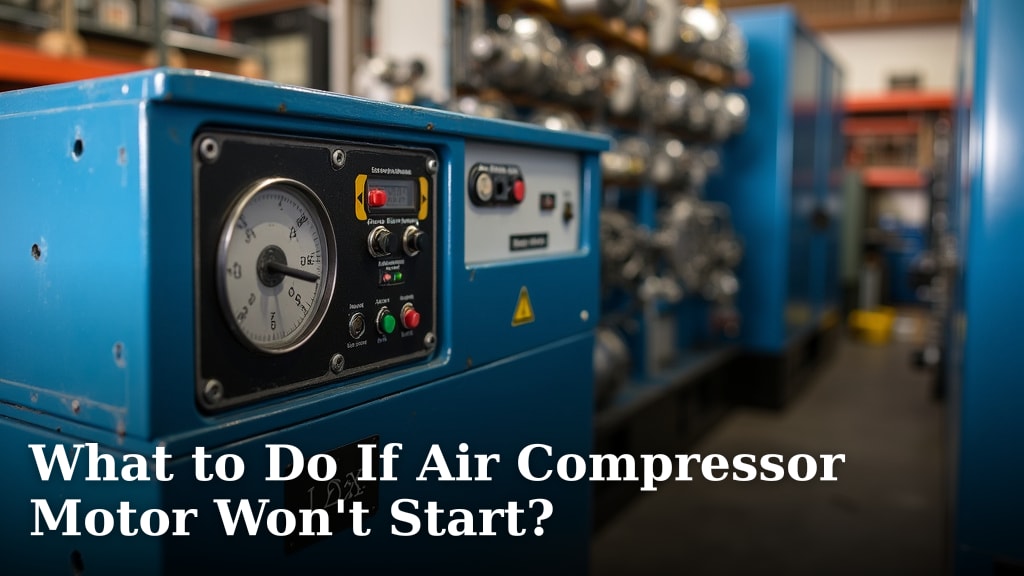
If your air compressor motor won’t start, check the power supply first, then the circuit breaker. Many issues, like a faulty capacitor or pressure switch, can prevent your air compressor from starting up.
It’s frustrating when your tools don’t work, right? A non-starting air compressor can halt your projects. We found that common culprits range from simple power problems to more complex electrical issues.
- Check power and breaker
- Inspect the capacitor
- Examine the pressure switch
- Look for motor overheating
- Consider professional help
Let’s walk through common reasons your air compressor motor isn’t starting, and how you can get it running again, step by step.
Troubleshooting Your Air Compressor When It Won’t Start
When your air compressor motor refuses to start, it can feel like a big problem. But don’t worry, many issues are simple to fix. We’ll guide you through common problems and their solutions to get your compressor humming again.
Initial Checks: Power and Breakers
Before diving into complex repairs, always start with the basics. Is your compressor getting power? This might sound obvious, but it’s often overlooked.
Confirming Your Power Source
First, make sure the compressor is plugged in securely. Sometimes, a loose connection is all it takes. Check the outlet itself. Is it working? You can test it by plugging in another appliance, like a lamp or a phone charger.
If you’re using an extension cord, ensure it’s rated for the compressor’s power needs. An undersized cord can’t deliver enough juice, causing the motor to struggle or not start at all. Over time, extension cords can also wear out or get damaged.
Resetting the Circuit Breaker
Next, check your circuit breaker or fuse box. An air compressor draws a lot of power, especially when starting up. This can sometimes trip a breaker. Look for a breaker that is “tripped” (usually in an off or middle position). Simply flip it completely off, then back on. If the breaker trips again immediately, you have a deeper electrical issue, and it’s best to call an electrician (National Electrical Code).
Some compressors also have a built-in thermal overload switch. This is a safety feature that trips if the motor gets too hot. Look for a small red or black button on the motor housing. If it’s popped out, press it firmly to reset it. Give the compressor a few minutes to cool down before trying to restart it after a thermal overload trip.
Investigating the Pressure Switch
The pressure switch is a vital component. It tells the motor when to turn on and off based on the tank’s air pressure. A faulty switch is a common reason for starting problems.
Checking for Clogged Inlet Valves
Sometimes, the pressure switch itself isn’t the problem, but something connected to it is. The small tube leading from the tank to the pressure switch can get clogged with debris. This prevents the switch from accurately reading the tank pressure. Disconnect the tube and carefully clean any blockages. You can use compressed air or a thin wire to clear it out.
Also, check the unloader valve, which is usually part of the pressure switch assembly. This valve releases a puff of air when the compressor shuts off. If it’s stuck open, the motor tries to start against full tank pressure, which it can’t do. You’ll hear air continuously leaking from this area if it’s stuck open.
Testing the Pressure Switch
If the above checks don’t help, the pressure switch itself might be bad. With the power off, you can often bypass the switch temporarily for testing (be very careful doing this). If the motor starts when the switch is bypassed, you’ve found your culprit. Replacing a pressure switch is a common repair and parts are generally available. Always disconnect power before working on electrical components.
Examining the Motor Capacitor
Many air compressors use a capacitor to give the motor an extra jolt of power to get it spinning. Think of it like a car’s starter motor. If the capacitor fails, the motor simply won’t start.
Identifying a Faulty Capacitor
A bad capacitor often shows physical signs. It might be swollen, leaking oil, or have burn marks. If you see any of these, the capacitor is likely the problem. Even without visible damage, a capacitor can fail internally. You might hear a humming sound from the motor but no spinning. This “humming but no start” is a classic sign of a bad capacitor.
Capacitors store a powerful electrical charge. Even when unplugged, they can deliver a shock. If you’re not comfortable working with electrical components, it’s safer to call a professional. Always discharge the capacitor safely before touching it, if you decide to replace it yourself (Occupational Safety and Health Administration guidelines).
Replacing the Capacitor
If you’re confident in your electrical skills, replacing a capacitor involves carefully noting the wiring, discharging the old one, and installing a new one with the same voltage and microfarad (µF) rating. Take a picture of the wiring before you disconnect anything. Ensure the new capacitor matches the specifications of the old one exactly. Incorrect replacement can cause further damage or be dangerous.
Overheating and Motor Issues
Motors need to stay within a certain temperature range. If they get too hot, they can refuse to start or shut down automatically to prevent damage.
Checking for Ventilation and Cooling
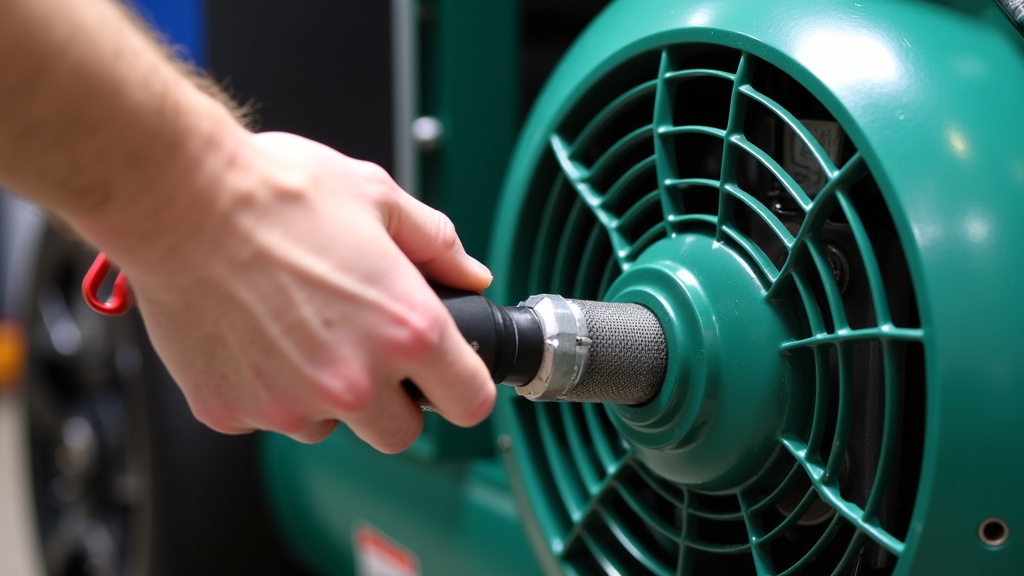
Is your compressor operating in a tight, unventilated space? Lack of airflow can cause the motor to overheat. Make sure there’s plenty of space around the unit for air to circulate. Clean any dust or debris from the motor’s cooling fins or fan cover. A clogged fan can’t do its job, leading to overheating.
Have you been running the compressor for a very long time? Continuous heavy use without breaks can also lead to overheating. Give your compressor a rest if it’s been working hard for an extended period. This can sometimes be all it needs to reset and restart.
Signs of a Damaged Motor
If the motor hums but doesn’t turn, and the capacitor is good, the motor itself might be seizing or damaged. You might smell a burning odor from the motor, which indicates a serious problem with the windings. Trying to force a damaged motor to start can cause more extensive and costly damage. At this point, depending on the age and cost of your compressor, you might be looking at a motor replacement or even a new unit.
Sometimes, simply spinning the motor fan by hand (with power off, of course!) can tell you if it’s seized. If it moves freely, the issue is electrical. If it’s stiff or won’t move, the motor bearings might be bad.
Troubleshooting Checklist
Before calling for help, run through this quick checklist:
- Is the power cord securely plugged in?
- Did you check and reset the circuit breaker?
- Is the thermal overload button popped out?
- Are there any obvious air leaks from the pressure switch or unloader valve?
- Does the motor hum but not start, indicating a possible capacitor issue?
- Is the motor area clear of debris and well-ventilated?
Remember, safety first! Always disconnect power before inspecting or working on your air compressor. If you’re unsure about any step, it’s always best to consult a qualified technician. Your safety and the longevity of your equipment are what matter most. For long-term storage, it’s important to understand the best practices for leaving air in a compressor to prevent damage and ensure safety.
Conclusion
Dealing with an air compressor that won’t start can be a major headache. However, by systematically checking the power, circuit breaker, pressure switch, and capacitor, you can often diagnose and fix the problem yourself. We found that many issues are simpler than they appear at first glance.
Always prioritize your safety by disconnecting power before any inspection or repair. If you’ve gone through these steps and your compressor still isn’t working, don’t hesitate to contact a qualified technician. Getting your tools back in action means your projects can continue without unnecessary delays.
Frequently Asked Questions
Why does my air compressor hum but not start?
A humming sound without the motor starting often points to a faulty capacitor. The capacitor provides the initial boost needed to get the motor spinning. If it’s failed, the motor gets power but can’t complete its rotation.
Can a dirty air filter prevent an air compressor from starting?
While a dirty air filter primarily affects performance and can cause overheating, it typically won’t prevent the motor from starting entirely. Its main role is to protect the pump from debris, not directly influence the motor’s initial startup sequence.
How do I know if my air compressor motor is truly burned out?
Signs of a burned-out motor include a strong burning smell, visible smoke, or a completely seized motor that won’t turn even by hand. If you experience these, a motor replacement or a new compressor might be necessary.
Is it safe to run my air compressor on an extension cord?
It is safe only if you use a heavy-duty extension cord specifically rated for your compressor’s power draw. An undersized cord can cause voltage drop, overheating, and potentially damage your compressor or trip breakers.
How often should I perform maintenance to prevent starting issues?
Regular maintenance, like draining condensation from the tank and cleaning air filters, can prevent many common problems. Annually checking electrical connections and inspecting hoses can also catch potential issues before they become major problems.
