
How to Troubleshoot Air Leaks in a Compressor System?
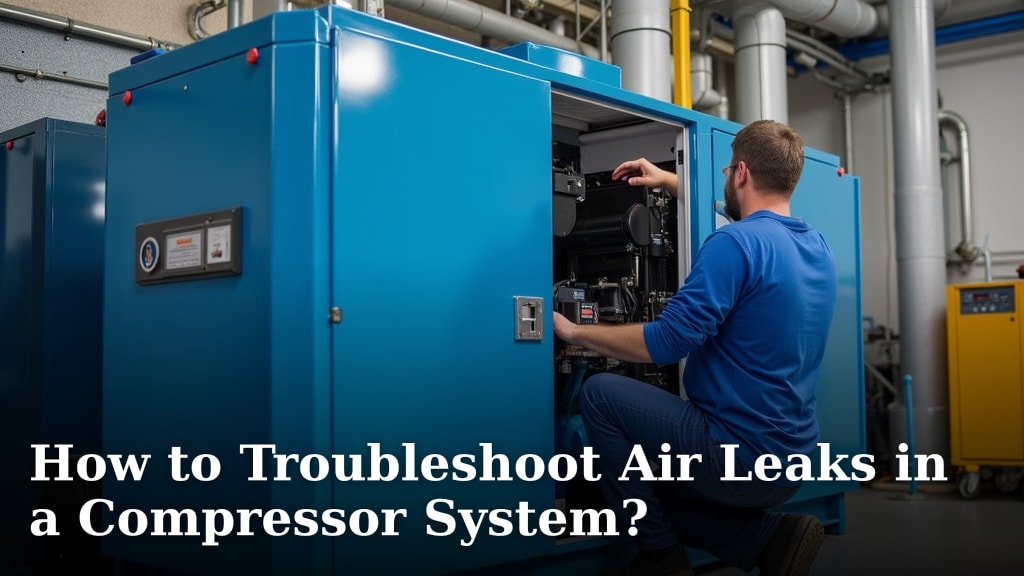
To troubleshoot air leaks in a compressor system, you should listen for hissing sounds, apply a soap and water solution to suspect areas, and use a leak detector spray to pinpoint the exact location. Finding these leaks quickly saves you money and keeps your system running well.
Even small air leaks can lead to significant energy waste and reduced compressor efficiency. Ignoring them can cause your system to work harder, shortening its lifespan. We found that regular inspection is key to maintaining optimal performance and avoiding costly repairs.
- Identify common leak points.
- Use sound and touch to find leaks.
- Apply detection solutions effectively.
- Understand the impact of small leaks.
- Learn simple, effective repair methods.
Let’s walk through exactly how to troubleshoot air leaks in a compressor system, step by step, so you can keep your equipment in top shape.
Finding and Fixing Air Leaks in Your Compressor System
Pinpointing air leaks quickly is vital for your compressor’s health and your wallet. Even tiny leaks can lead to surprising energy waste. Let’s get right into how you can find and fix these sneaky air robbers.
Understanding Common Leak Locations
Where do leaks usually hide? You might be surprised. We found that certain parts of your air compressor system are much more prone to developing leaks than others. Knowing these spots helps you target your search and save time.
- Fittings and Connectors: These are probably the most common culprits. Think about all the places pipes and hoses connect. Each connection point is a potential leak site.
- Hoses and Tubing: Over time, hoses can crack, chafe, or wear thin. Look for signs of damage or deterioration.
- Valves and Drains: Air regulators, solenoid valves, and automatic drain valves can all develop internal or external leaks.
- Seals and Gaskets: Any component that relies on a seal, like compressor tank connections or pressure switches, can leak if the seal degrades.
- Quick-Disconnect Couplings: These convenient connectors can lose their seal with frequent use. They are designed for quick changes but can wear out.
Initial Detection: Listening and Feeling
Sometimes, the simplest methods are the most effective. Before you break out any fancy tools, engage your senses. Can you hear anything unusual? Do you feel anything out of place?
The Hissing Sound Test
Your ears are powerful leak detectors. With your compressor system fully pressurized and running, take a moment to listen. Walk around the entire system, paying close attention to every connection and component.
What are you listening for? A faint hiss or whistle. It might be subtle, especially in a noisy workshop. If possible, turn off other noisy equipment to reduce background sound. A quiet environment makes this step much easier. Think of it like trying to hear a whisper in a crowded room versus an empty one.
The Touch and Feel Method
Sometimes you can feel a leak, especially if it’s significant. Carefully run your hand over suspect areas. Can you feel a stream of air escaping? This method works best for larger leaks that create a noticeable draft.
Be cautious, of course, especially around moving parts or hot surfaces. This isn’t about getting your hand caught but gently feeling for escaping air. You’re looking for that unmistakable puff of air against your skin. We found this method is surprisingly effective for quick checks.
Advanced Leak Detection Techniques
When listening and feeling aren’t enough, it’s time to bring in the reinforcements. These methods offer a more precise way to locate even the smallest, most elusive leaks.
The Soap and Water Solution
This classic method is tried and true. It’s inexpensive, easy to prepare, and incredibly effective for pinpointing leaks. You’re essentially looking for bubbles, just like finding a leak in a bicycle tire.
Preparing Your Solution
You don’t need anything fancy. Mix dish soap with water in a spray bottle. We found that a ratio of about one part dish soap to four or five parts water works well. You want enough soap to create good suds but not so much that it’s overly thick. A thicker solution might hide tiny bubbles.
Applying the Solution
With your compressor pressurized, spray the solution generously onto all suspect areas. Cover fittings, hose connections, valve stems, and any other potential leak points. Don’t be shy with the spray; a good soaking helps.
What happens next? If there’s a leak, the escaping air will create visible bubbles in the soapy film. The bigger the leak, the more vigorous the bubbling. Sometimes, it’s a steady stream of small bubbles; other times, it’s a rapidly expanding foam. Mark the spot when you see bubbles!
Using a Leak Detector Spray
While soap and water work great, specialized leak detector sprays are often more sensitive. These commercial products are designed to create a more stable bubble film and detect even minute leaks that homemade solutions might miss.
They work on the same principle as soap and water but are formulated for better adherence and bubble longevity. We found that many professionals prefer these for critical systems because of their enhanced sensitivity (OSHA).
Ultrasonic Leak Detectors
For industrial settings or very elusive leaks, an ultrasonic leak detector is the ultimate tool. These devices “hear” the high-frequency sound waves produced by escaping compressed air, which are often inaudible to the human ear.
Think of it like a bat using sonar. The detector converts these ultrasonic sounds into an audible range, allowing you to pinpoint the exact source of the leak, even from a distance. They are an investment but pay for themselves in large systems by significantly reducing energy waste.
Immediate Actions After Finding a Leak
Once you’ve identified a leak, what’s next? Don’t just leave it. Taking immediate action can prevent further damage and save energy.
Temporary Fixes vs. Permanent Repairs
A temporary fix might get you through the day, but it’s not a long-term solution. Think of it like a band-aid on a gash. You need to plan for a proper repair as soon as possible.
For example, you might use pipe thread tape (PTFE tape) for a quick seal on a pipe thread. Or a hose clamp to temporarily patch a small hose crack. These are just to keep you running, not to forget about the underlying issue.
Prioritizing Your Repairs
You might find several leaks. How do you decide which one to tackle first? We recommend prioritizing based on several factors:
- Size of the Leak: Larger leaks waste more air and energy. Fix these first.
- Location: Leaks in critical components or hard-to-reach areas might require more planning.
- Safety: Any leak that poses a safety hazard should be addressed immediately.
- Impact on Performance: Leaks affecting tool performance or system pressure should be a high priority.
Preventative Measures to Avoid Future Leaks
An ounce of prevention is worth a pound of cure, right? This old saying definitely applies to air leaks. Regular maintenance can dramatically reduce the chances of leaks developing in the first place. Regularly draining your air compressor after use is another crucial maintenance step that prevents moisture buildup and extends its lifespan.
Regular System Checks
Make leak detection a part of your routine. We found that many organizations implement a simple weekly or monthly check (Compressed Air & Gas Institute). This doesn’t have to be an exhaustive survey; a quick listen and visual inspection can go a long way.
A few minutes spent looking for issues can save hours of troubleshooting and repair down the line. It’s like checking your car’s oil — a small habit with big benefits.
Proper Installation and Maintenance
Many leaks stem from improper installation. Make sure all fittings are tightened correctly (but not overtightened!). Use appropriate sealants or thread tape where recommended.
Replacing worn components proactively is also key. Don’t wait for a hose to burst or a gasket to fail. If you see signs of wear, plan for replacement. This proactive approach saves you headaches and costly downtime.
Here’s a quick checklist to help you stay on top of air leak prevention:
- Regularly inspect hoses for cracks or chafing.
- Check all fittings for tightness and signs of corrosion.
- Listen for unusual sounds during compressor operation.
- Test quick-disconnect couplings for proper sealing.
- Lubricate O-rings and seals as recommended by manufacturers.
- Plan for periodic professional system audits.
By following these steps, you’ll not only troubleshoot existing leaks but also create a robust system that resists new ones. Your compressor will run more efficiently, last longer, and save you money in the long run.
Conclusion
You now have the tools to tackle air leaks in your compressor system. From listening for that tell-tale hiss to deploying soap solutions and advanced detectors, you can find and fix these energy-wasting culprits. Remember, even small leaks add up, impacting efficiency and shortening your equipment’s life. Understanding the risks of leaving air in a compressor for extended periods can also help prevent future leaks and damage.
By making leak detection a regular habit and ensuring proper maintenance, you’re investing in your system’s longevity and your wallet’s health. Take these steps today to keep your compressor running at its best and avoid unnecessary costs.
Frequently Asked Questions
How often should I check my compressor system for air leaks?
We recommend performing a quick visual and auditory check weekly or monthly, especially if your system runs frequently. A more thorough check with a leak detection solution should be done every few months or if you notice a drop in performance.
Can a small air leak really make a big difference in my energy bill?
Yes, absolutely. We found that even a seemingly small leak, like one the size of a pinhole, can waste a surprising amount of compressed air over time. This forces your compressor to work harder, consuming more electricity and increasing your energy costs significantly.
What’s the difference between a soap and water solution and a commercial leak detector spray?
Both work by creating bubbles where air escapes. Commercial leak detector sprays are often formulated for better adherence to surfaces and create more stable, longer-lasting bubbles. This makes them more sensitive for detecting very small or slow leaks compared to homemade soap solutions.
Is it safe to use my hands to feel for air leaks?
You can gently feel for larger leaks, but always exercise caution. Keep your hands away from moving parts, hot surfaces, or high-pressure streams. For smaller, less obvious leaks, or in areas with hazards, stick to visual and other detection methods.
What are the long-term consequences of ignoring air leaks in my compressor?
Ignoring air leaks leads to your compressor running more often and for longer periods. This increases wear and tear on components, shortens the lifespan of your equipment, and drives up maintenance and energy costs. It also reduces the effective pressure available for your tools.
