
What Tools Can Run Off a 6 Gallon Pancake Compressor?
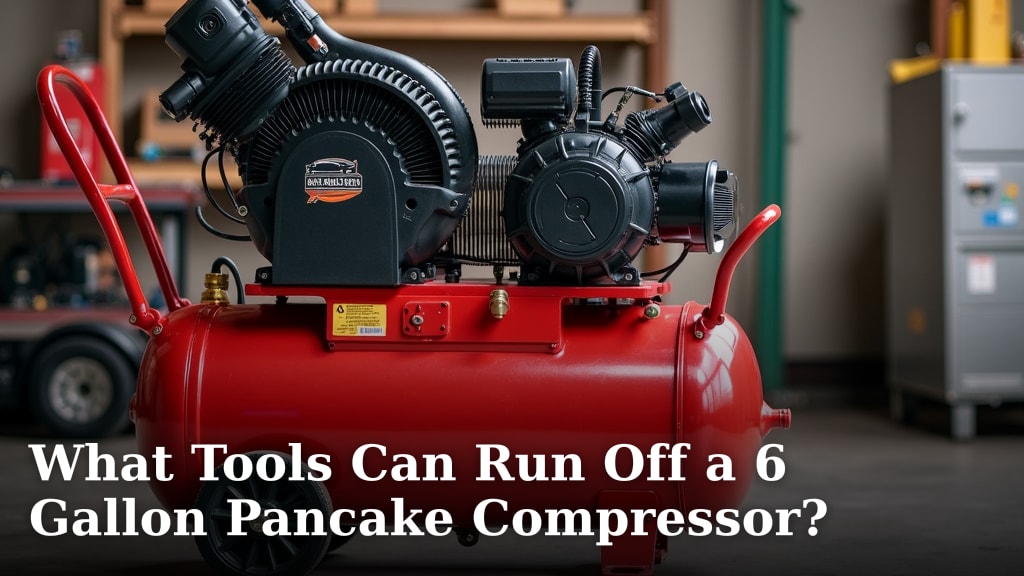
Yes, your 6 gallon pancake compressor can run a surprising number of tools! These portable compressors are perfect for tasks needing a moderate amount of air, like inflating tires, powering brad nailers for trim work, and even running small impact wrenches for occasional auto repairs. You’ll find it’s a versatile workhorse for many DIY and homeowner projects.
The key is matching the tool’s air consumption (measured in CFM) with your compressor’s output. While it won’t power heavy-duty tools that require a constant, high volume of air, it excels with tools that have intermittent air demands. Think about the types of jobs you do most often; your pancake compressor likely has you covered for many of them.
- Many common DIY tools work well.
- Brad nailers and staple guns are a great match.
- Tire inflators and small air ratchets are suitable.
- Avoid continuous-use tools like sanders or grinders.
- Check tool CFM requirements against your compressor’s output.
Let’s dive into the specifics and see which tools will work best with your trusty 6-gallon pancake compressor.
Putting Your 6 Gallon Pancake Air Compressor to Work
So, you’ve got a 6-gallon pancake air compressor. That’s fantastic! These little powerhouses are incredibly popular for a reason. They’re lightweight, portable, and surprisingly capable for many home and DIY tasks. The real question isn’t *if* it can power tools, but *which* tools it can handle effectively. It all comes down to understanding your compressor’s air delivery and matching it with your tool’s needs.
Understanding Air Consumption: CFM is Key
The most important factor in determining what your compressor can run is its CFM rating. CFM stands for Cubic Feet per Minute. This number tells you how much air your compressor can deliver at a specific pressure, usually measured in PSI (pounds per square inch). Your 6-gallon pancake compressor typically has a CFM rating around 2.5 to 4.0 CFM at 90 PSI. This is a good amount of air for many common tools, but it has its limits. Understanding the tool’s CFM and PSI requirements is crucial for matching it with your compressor.
Why CFM Matters More Than Tank Size
You might be tempted to think the 6-gallon tank is the most important part. While it stores compressed air, it’s the rate of air delivery (CFM) that truly dictates how long and how powerfully a tool can run. A larger tank can offer a brief buffer, but if the compressor can’t replenish the air quickly enough, your tool will eventually sputter and stop. Think of the tank like a small water reservoir and the CFM like the pipe diameter supplying it. A big reservoir with a tiny pipe won’t fill a bucket very fast.
Intermittent vs. Continuous Air Needs
This is where your pancake compressor shines. Tools that use air in short bursts are ideal. These are called intermittent-use tools. They take a quick puff of air and then pause, giving your compressor time to recover. Tools that need a constant stream of air, like sanders or spray paint guns, are usually too demanding for a smaller compressor like yours. They require a higher CFM output and often a larger tank to keep up.
Tools That Will Perform Well
Let’s get to the fun part! Many everyday DIY and homeowner tasks are perfectly suited for your 6-gallon pancake compressor. You’ll be surprised at how much you can accomplish.
Nail Guns and Staplers: A Perfect Match
This is probably the most popular application for pancake compressors. Tools like brad nailers, finish nailers, and staple guns are designed for intermittent use. They fire a nail or staple with a quick puff of air and then wait for you to move to the next spot.
- Brad Nailers: Excellent for attaching trim, molding, and other fine woodworking projects. They use very little air per shot.
- Finish Nailers: Slightly larger nails for cabinet doors, window frames, and furniture. They still work well with your compressor.
- Staple Guns: Ideal for upholstery, screen repair, and light framing tasks. You’ll find these very efficient.
Many experts suggest that if your compressor delivers around 2.5 CFM at 90 PSI, it can comfortably handle most standard brad and finish nailers. You can usually get through a good amount of nailing before needing to wait for the compressor to catch up. It’s a fantastic combination for home improvement projects.
Impact Wrenches and Ratchets for Auto Care
Light to medium-duty automotive work is another area where your compressor can be a real help. For tasks like changing tires, working on brakes, or general car maintenance, these tools are great.
- Air Ratchets: These are like manual ratchets but powered by air. They spin fasteners quickly and use moderate amounts of air. They are perfect for tight spots where you need to zip off bolts.
- Small Impact Wrenches: For lug nuts on a car or other moderately tight bolts, a 1/4-inch or 3/8-inch drive impact wrench can work. Look for models rated around 3-4 CFM. They will deliver short bursts of torque.
You might need to be patient if you’re removing multiple stubborn bolts. The compressor might need a moment to build pressure between impacts. However, for general garage tasks, they are incredibly useful.
Inflating Tires and Other Items
This is the bread and butter of many pancake compressors. You can easily inflate car tires, bicycle tires, sports balls, and even air mattresses.
- Tire Inflators: Most tire inflator guns connect easily. Your compressor will fill tires quickly and efficiently. This is a must-have tool for any car owner.
- Blow Guns: Useful for cleaning dust from engines, workbenches, or electronics. They use a small, continuous stream of air.
- Air Brushes: For hobbyists or light touch-up painting, some airbrushes can be powered by your compressor. Check the airbrush’s specific CFM needs.
Tools That Might Push Your Compressor’s Limits
While your pancake compressor is versatile, it’s important to know its limitations. Certain tools require more air than it can consistently provide. Trying to run these could lead to frustration and potentially damage your tools or compressor.
High-Demand Tools to Avoid
Tools that require a continuous, high volume of air are generally not suitable. These typically have higher CFM requirements, often above 5 CFM.
- Sanders (Orbital, Belt): These tools run continuously and consume a lot of air. Your compressor will likely struggle to keep up, leading to inconsistent performance.
- Die Grinders: Similar to sanders, die grinders need a constant supply of air for high-speed grinding.
- Paint Sprayers (HVLP): While some small airbrushes work, larger HVLP (High Volume Low Pressure) sprayers typically demand more CFM than a 6-gallon pancake can deliver.
- Larger Impact Wrenches: Tools with a 1/2-inch drive or higher usually require significantly more air.
If you plan on doing a lot of sanding, grinding, or painting, you’ll likely need to invest in a larger, more powerful air compressor. Researching the CFM requirements for those tools will guide your purchase. Many experts recommend having a compressor with at least double the tool’s CFM requirement for optimal performance (National Air Filtration Association).
Considerations for Routers and Saws
Some woodworking tools, like routers or certain types of saws, can be air-powered. However, they often have higher CFM demands. A small trim router might work with your compressor for short periods, but a larger router will likely be too much. Similarly, air-powered framing nailers (which are different from brad or finish nailers) often require more airflow.
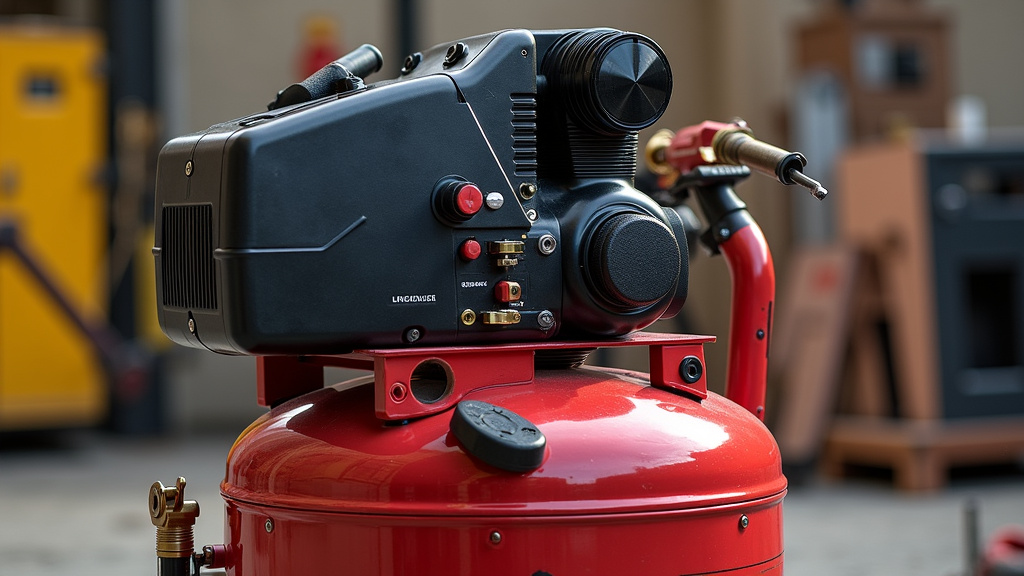
A Quick Comparison: CFM Needs vs. Compressor Output
To help you visualize, here’s a general guide. Remember that these are estimates, and actual performance can vary based on the specific tool model and compressor condition.
| Tool Type | Estimated CFM @ 90 PSI | Compatibility with 6 Gallon Pancake Compressor |
|---|---|---|
| Brad Nailer | 0.5 – 1.5 CFM | Excellent |
| Finish Nailer | 1.0 – 2.0 CFM | Good |
| Staple Gun | 0.5 – 1.5 CFM | Excellent |
| Air Ratchet (3/8″) | 3.0 – 4.0 CFM | Good (intermittent use) |
| Impact Wrench (3/8″) | 3.5 – 5.0 CFM | Fair to Good (short bursts only) |
| Tire Inflator | 1.0 – 2.5 CFM | Excellent |
| Blow Gun | 1.0 – 3.0 CFM | Good |
| Orbital Sander | 5.0 – 8.0+ CFM | Poor |
| Die Grinder | 5.0 – 7.0+ CFM | Poor |
Reading Your Compressor’s Specifications
Always check the label or manual for your specific compressor. It will state its CFM output at 90 PSI. This is your baseline. Then, look at the tool’s packaging or manual for its CFM requirement at 90 PSI. A good rule of thumb is to ensure your compressor’s CFM rating is at least 1.5 times the tool’s CFM requirement for comfortable operation. For example, if a tool needs 2 CFM, aim for a compressor that provides at least 3 CFM. This buffer ensures your compressor isn’t constantly running at its absolute maximum, which can prolong its life.
Tips for Maximizing Your Compressor’s Performance
Even with the right tools, a few practices can help you get the most out of your 6-gallon pancake compressor.
Proper Tool Selection and Usage
Choose tools that are appropriately sized for your compressor. Don’t try to force a tool that’s too demanding. Use tools for their intended purpose. For example, use a brad nailer for trim, not for structural framing. This aligns with best practices recommended by many tool manufacturers.
Maintenance Matters
Regular maintenance is crucial for any compressor. Ensure you drain the tank regularly to prevent rust. Check and clean or replace the air filter periodically. Keeping the oil level correct (if it’s an oil-lubricated model) is also important. A well-maintained compressor will deliver its rated CFM more consistently.
Hose Size and Length
Using the correct air hose can make a difference. A longer or narrower hose can restrict airflow and reduce the pressure reaching your tool. For most pancake compressors, a 25-foot 1/4-inch ID (inside diameter) hose is a good starting point. Avoid using extremely long or small-diameter hoses unless absolutely necessary.
Consider a Tool Checklist
Before you buy a new air tool, ask yourself these questions:
- Does this tool have an intermittent or continuous air demand?
- What is the tool’s CFM requirement at 90 PSI?
- Does my 6-gallon pancake compressor meet or exceed that CFM rating?
- Is the tool’s intended use a good fit for my projects?
- Will I need to run this tool for extended periods?
Conclusion
You’ve learned that your 6-gallon pancake compressor is a fantastic tool for many DIY tasks. It excels with intermittent-use tools like nail guns, staple guns, and for inflating tires. Remember, the key is matching the tool’s CFM requirement with your compressor’s output. Don’t try to power high-demand tools like sanders or large impact wrenches. Focus on tasks that fit its capabilities and keep up with regular maintenance. With the right tool choices, your pancake compressor will be a reliable workhorse for your projects. So, grab the right tools and get to work!
Frequently Asked Questions
What CFM rating should I look for in a tool for my 6-gallon pancake compressor?
For most tools, aim for a CFM rating under 3 CFM at 90 PSI. Tools like brad nailers and tire inflators often fall well within this range. Your compressor likely provides around 2.5 to 4 CFM, so a tool that uses less will work best.
Can I use a 6-gallon pancake compressor for painting?
You can use it for very light painting tasks with a small airbrush, but not for larger spray painting jobs. Most HVLP sprayers require a much higher CFM output than your compressor can provide.
How do I know if my compressor can handle a specific tool?
Always check the tool’s specifications for its CFM requirement at 90 PSI. Compare this number to your compressor’s output, which is usually listed on the compressor itself or in its manual. A good rule of thumb is to choose tools with CFM ratings at least 1.5 times lower than your compressor’s output.
Will a longer air hose affect my compressor’s performance?
Yes, a longer or narrower air hose can reduce airflow and pressure reaching your tool. For a 6-gallon pancake compressor, stick to hoses around 25 feet long with a 1/4-inch inside diameter for optimal performance.
How often should I drain the air tank on my compressor?
You should drain the tank after each use. This helps prevent moisture buildup and rust, ensuring your compressor lasts longer and performs consistently. Regular draining is a simple but important maintenance step.
